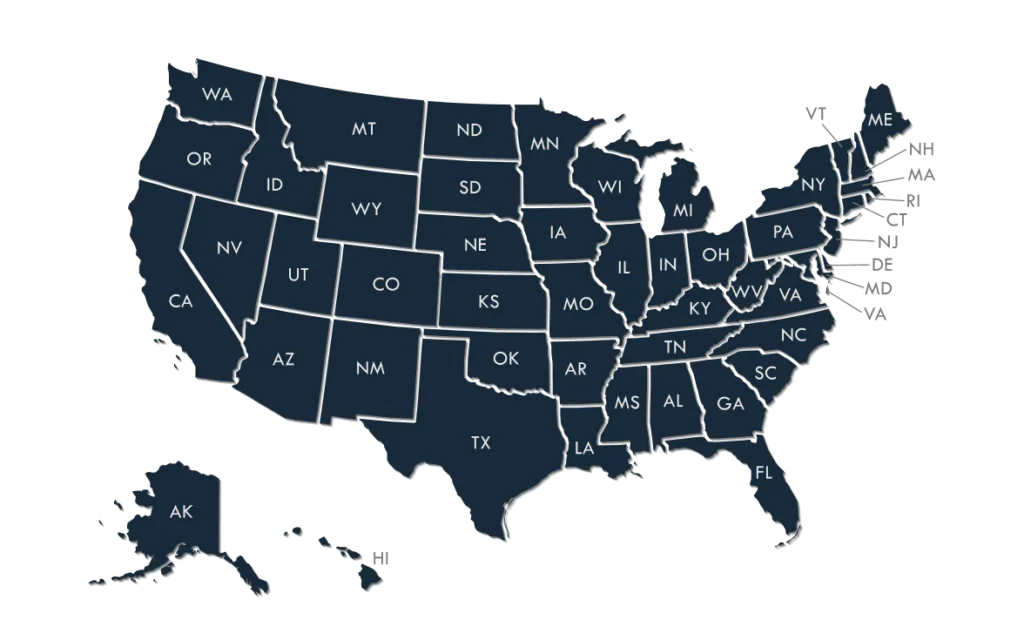
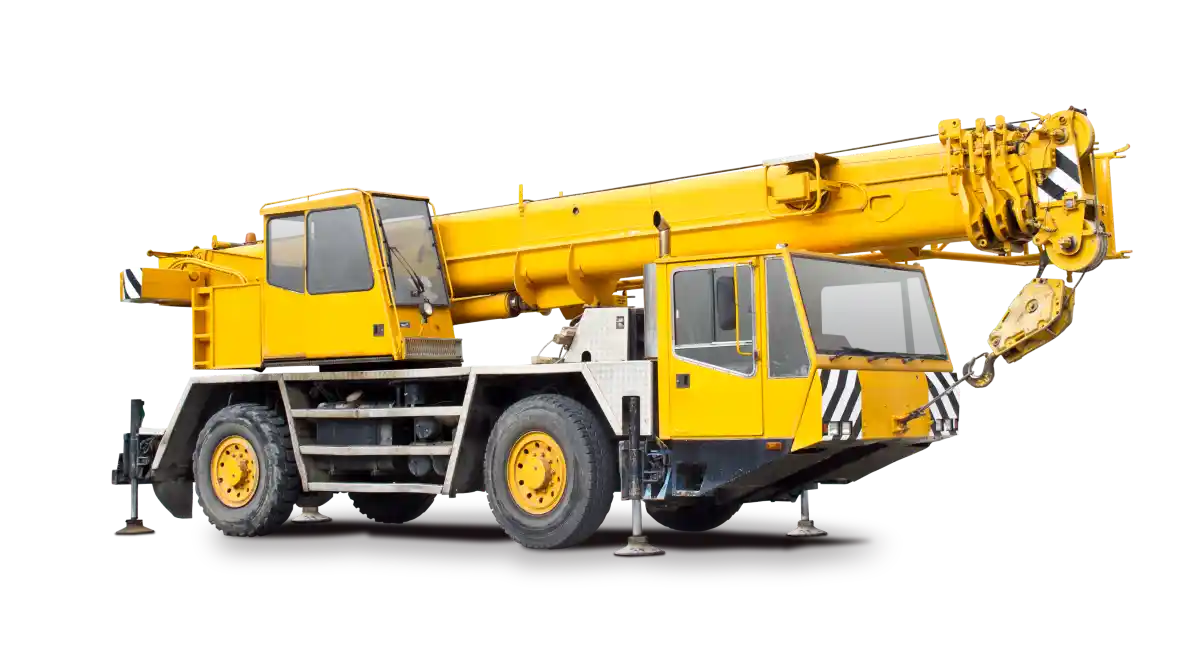
Providing dependable crane rental and rigging services throughout Alaska for oilfield, mining, marine, construction, infrastructure, and remote industrial projects.
Wide Load Shipping provides Alaska crane rental services for projects that require careful planning, reliable mobilization, and equipment capable of handling demanding jobsite conditions. From oilfield lifting on the North Slope to marine construction, mining support, bridge work, utility projects, and commercial construction, our team helps coordinate cranes for rent across Alaska.
Moving and setting up a crane in Alaska can be very different from completing a lift in the lower 48. Long distances between population centers, limited road access, changing ground conditions, seasonal weight restrictions, and remote jobsites can all affect which crane is appropriate and how it reaches the project. We account for those challenges early so equipment selection, crane transportation, site access, and scheduling are aligned before mobilization begins.
Whether you need a crane for a scheduled construction lift or a complex project in a hard-to-reach area, Wide Load Shipping helps coordinate the equipment and logistics needed to get the job done. Our team works with you from the initial project details through crane mobilization, giving you one point of contact for a more organized rental process. Contact Wide Load Shipping today to discuss your Alaska crane rental needs.
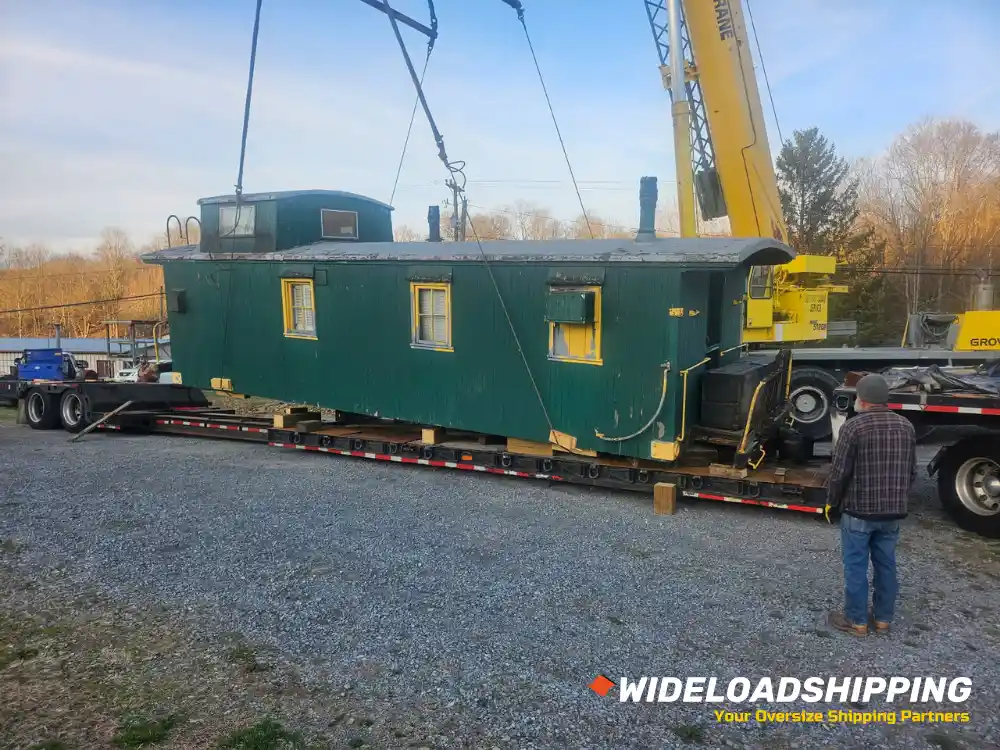

Don't let logistics slow you down, we handle it all from permits to pickup. Speak to a live specialist today.
Alaska crane rental demand is strongly tied to resource development, construction spending, oil and gas activity, mining, seafood, tourism infrastructure, and port modernization. Federal infrastructure funding, North Slope oil development, cruise-related dock projects, and mine investments continue to support construction activity across the state.
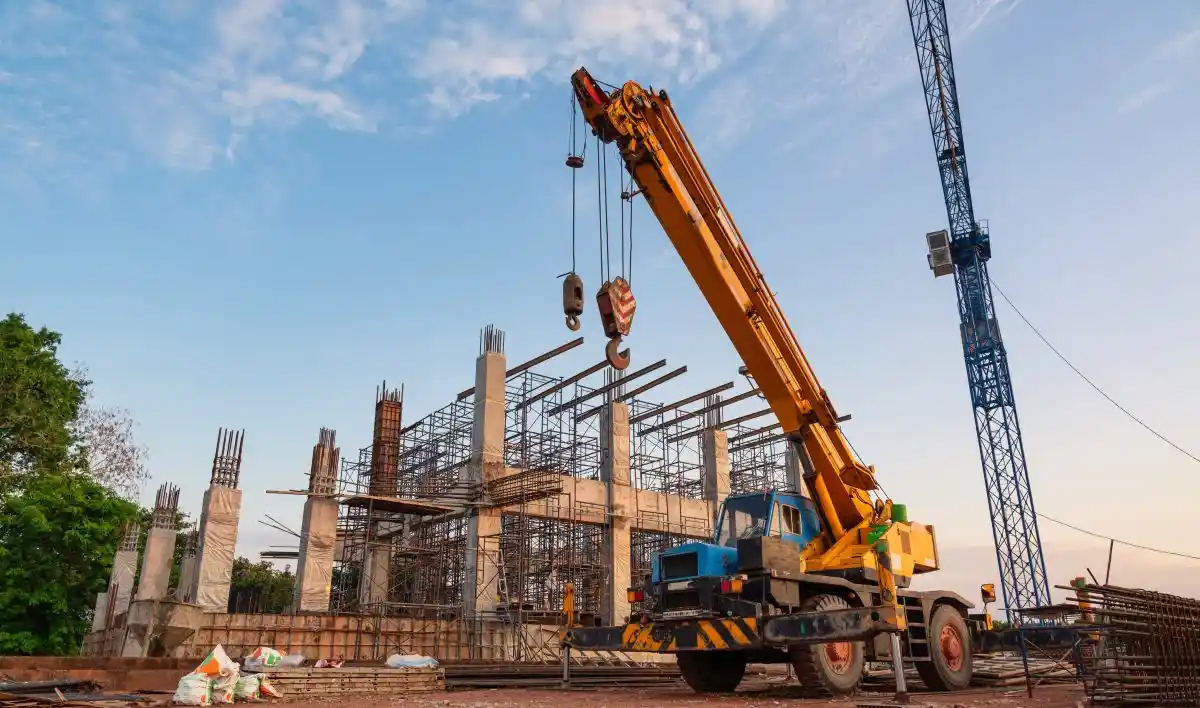
Alaska projects require crane rental equipment capable of supporting remote worksites, rough terrain, industrial facilities, marine terminals, oilfield operations, and infrastructure projects. Wide Load Shipping provides crane rental solutions throughout Alaska for routine lifting needs and complex heavy lift applications.
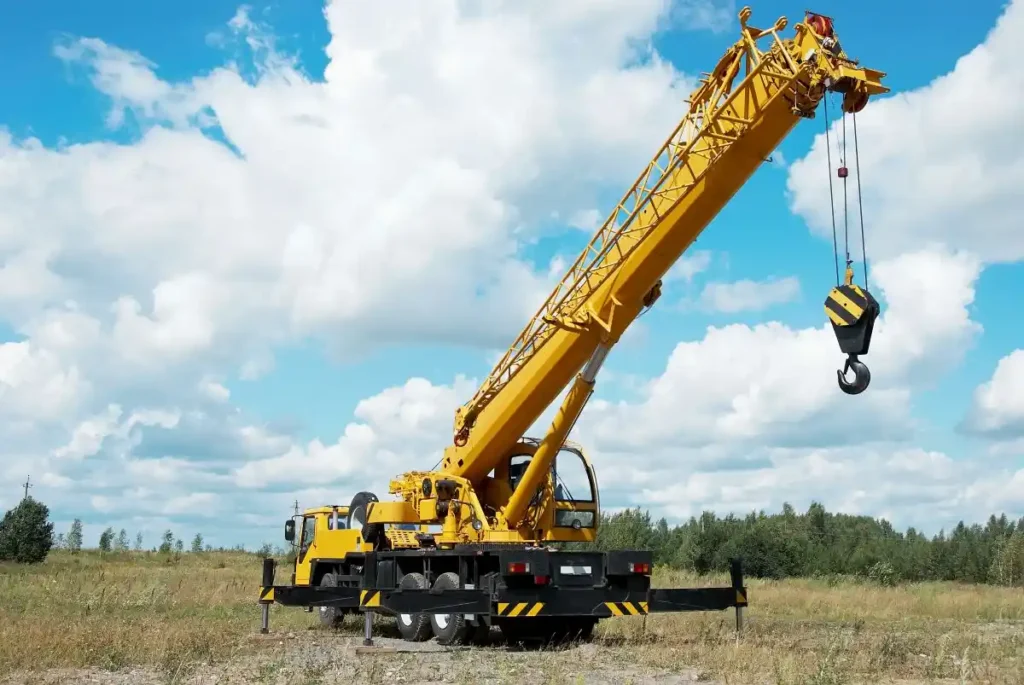
What Is Rigging?
Rigging is the process of preparing, securing, lifting, and moving heavy equipment or materials using cranes, slings, chains, hoists, and specialized lifting hardware. In Alaska crane rental projects, rigging is essential for maintaining safe load control during oilfield work, marine construction, mining operations, infrastructure projects, and remote industrial lifts.
Crane rigging requires choosing the right equipment based on load weight, dimensions, lifting points, center of gravity, jobsite conditions, and environmental factors. Experienced rigging support helps reduce risk and improve safety when lifting oversized loads in challenging Alaska conditions.
Alaska rigging services frequently support oilfield maintenance, mining equipment installation, marine terminal projects, fuel storage facilities, remote utility work, and bridge construction. Wide Load Shipping helps coordinate crane rigging, lift planning, and specialized rigging equipment for projects requiring safe load handling in remote and industrial environments.
| Crane Type | Average Rental Duration | Average Rental Price |
|---|---|---|
| Boom Truck Crane Rental | 1–7 Days | $1,500–$5,000 per day |
| Mobile Crane Rental | 1–14 Days | $2,800–$9,000 per day |
| Rough Terrain Crane Rental | 3–21 Days | $4,500–$12,000 per day |
| All Terrain Crane Rental | 1–30 Days | $7,000–$20,000 per day |
| Carry Deck Crane Rental | 1–14 Days | $1,300–$4,000 per day |
Short-term Alaska crane rental costs can vary depending on crane availability, operator requirements, barge or overland mobilization, seasonal weather, remote access, project urgency, and lift complexity. Jobs outside major service areas may require additional planning for transport, permits, staging, and rigging support.

| Crane Type | Average Rental Duration | Average Monthly Price |
|---|---|---|
| Mobile Crane Rental | 1–3 Months | $18,000–$38,000 per month |
| Rough Terrain Crane Rental | 1–4 Months | $24,000–$50,000 per month |
| All Terrain Crane Rental | 2–6 Months | $40,000–$85,000 per month |
| Crawler Crane Rental | 3–12 Months | $80,000–$220,000+ per month |
| Tower Crane Rental | 6–18 Months | $95,000–$260,000+ per month |
Long-term Alaska crane rental projects often support oilfield development, mining operations, port construction, utility upgrades, bridge work, military infrastructure, and remote industrial facilities. Final pricing depends on crane size, mobilization requirements, project duration, rigging support, seasonal access, and site complexity.

| Alaska City | Primary Industries Driving Crane Rental Demand |
|---|---|
| Anchorage | Port operations, commercial construction, logistics, infrastructure |
| Fairbanks | Mining support, utilities, transportation infrastructure, military projects |
| Juneau | Government infrastructure, marine construction, public works |
| Wasilla | Commercial growth, residential construction, logistics support |
| Palmer | Agricultural facilities, construction, transportation projects |
| Kenai | Oil and gas support, marine work, industrial construction |
| Soldotna | Energy support, commercial construction, utility work |
| Kodiak | Marine construction, seafood processing, port operations |
| Ketchikan | Shipyard support, tourism infrastructure, marine projects |
| Prudhoe Bay | Oilfield operations, pipeline support, remote industrial lifting |
Many Alaska crane rental projects require detailed lift planning due to long-distance mobilization, remote terrain, port access, freezing conditions, and limited seasonal work windows. Wide Load Shipping helps businesses throughout Alaska coordinate crane rental and rigging support for demanding construction, energy, marine, and industrial projects.
| Lift Application | Common Crane Capacity |
|---|---|
| Oilfield Equipment Installation | 80–300 Ton Cranes |
| Mining Equipment Support | 100–400 Ton Cranes |
| Marine Terminal Construction | 150–500+ Ton Cranes |
| Commercial HVAC Placement | 40–90 Ton Cranes |
| Bridge Girder Placement | 300–500+ Ton Cranes |
| Utility Transformer Placement | 80–200 Ton Cranes |
| Fuel Tank and Terminal Work | 100–300 Ton Cranes |
| Telecom Tower Work | 30–120 Ton Cranes |
| Seafood Processing Equipment | 40–200 Ton Cranes |
| Remote Camp Construction | 60–250 Ton Cranes |
Alaska crane rental projects often require higher-capacity lifting support because equipment, materials, and structures may need to be moved in remote areas with limited access. Selecting the proper crane capacity helps improve lift safety, mobilization efficiency, and overall project coordination.
| Industry | Primary Crane Rental Applications |
|---|---|
| Oil and Gas Operations | Oilfield equipment lifting, pipeline support, facility maintenance |
| Mining | Equipment installation, processing plant maintenance, structural lifting |
| Marine and Port Operations | Dock construction, cargo handling, terminal upgrades |
| Infrastructure and Bridge Construction | Bridge girder placement, roadway projects, utility improvements |
| Commercial Construction | Steel erection, HVAC placement, structural lifting |
| Seafood Processing | Equipment installation, facility upgrades, plant maintenance |
| Utility and Power Generation | Transformer placement, grid upgrades, remote utility work |
| Military and Defense | Facility construction, equipment lifting, infrastructure support |
| Tourism Infrastructure | Cruise dock support, hospitality projects, public works |
| Telecommunications | Tower construction, antenna installation, remote access support |
Alaska’s economy relies heavily on resource-based industries, including oil and gas, fishing, tourism, and mining, while port and infrastructure projects continue to support statewide development needs. These industries create recurring demand for crane rental, rigging equipment, and heavy lift planning across both urban and remote locations.
| Service Type | Typical Scheduling Time |
|---|---|
| Emergency Crane Rental | Same Day to 48 Hours |
| Standard Mobile Crane Rental | 2–5 Days |
| Boom Truck Crane Rental | 24–72 Hours |
| Rough Terrain Crane Rental | 3–7 Days |
| All Terrain Crane Rental | 5–10 Days |
| Heavy Lift Crane Rental | 1–2 Weeks |
| Crawler Crane Rental | 2–4 Weeks |
| Remote Jobsite Crane Rental | 2–6 Weeks |
| Operated Crane Rental | 2–5 Days |
| Bare Crane Rental | 3–10 Days |
Alaska crane rental scheduling timelines can vary based on crane availability, seasonal access, weather conditions, barge schedules, road restrictions, permit requirements, and project location. Remote oilfield, mining, marine, and infrastructure projects may require additional lead time for crane mobilization and lift coordination.
It depends on the crane, transport configuration, axle weights, and overall dimensions. Large mobile cranes, crawler crane components, counterweights, and boom sections may require oversize or overweight permits before traveling on Alaska highways. Alaska DOT&PF regulates commercial vehicle size and weight under 17 AAC Chapter 25 and issues statewide oversize and overweight permits when required.
Yes. Alaska applies seasonal commercial vehicle weight restrictions as road conditions change, particularly during freeze-thaw periods. These restrictions can affect how a crane or its components are routed and when heavy equipment can reach a job site. Crane mobilization should be planned around current Alaska DOT&PF restrictions rather than assuming the same route will be available year-round.
Crane access is possible in many remote areas, but mobilization needs to be evaluated before the rental is scheduled. Some Alaska projects may involve long highway distances, limited-access roads, seasonal routes, or locations that require additional marine or freight coordination. Equipment availability near the project also matters because moving a crane hundreds of miles can significantly affect mobilization planning and cost.
Snow, ice, visibility, high winds, avalanches, and changing road conditions can all affect crane mobilization. Conditions can be particularly challenging on remote northern routes. Alaska DOT&PF notes that portions of the Dalton Highway can experience severe snow, drifting, and avalanche conditions, while some lower-priority highways receive little or no winter maintenance. Routes and schedules should therefore be reviewed close to the planned move date.
Not every crane transport configuration can use the Whittier Tunnel. Alaska DOT&PF states that overweight vehicles are not permitted through the tunnel, and dimensional restrictions also apply to oversized vehicles. A crane being mobilized to or from Whittier should have its total transport dimensions and weight reviewed before the route is selected. Alternative transportation arrangements may be necessary for equipment that exceeds tunnel restrictions.
Access and setup conditions should be confirmed before mobilization. This includes the entrance width, turning space, overhead obstructions, crane setup area, ground conditions, slope, and room for support trucks carrying counterweights or boom components. Alaska’s seasonal conditions make this especially important because thawing, snow accumulation, ice, and soft ground can change whether a previously accessible setup area can safely support crane operations.
Scheduling early is recommended, especially for large cranes, remote projects, or jobs requiring oversize transportation. Crane availability is only part of the planning process. Transport permits, seasonal road restrictions, route feasibility, weather, support equipment, operator availability, and the distance between the crane and your project can all affect mobilization.
Provide the job location, load weight and dimensions, required lift height and radius, expected rental duration, site access information, and preferred lift date. For remote locations, it also helps to provide details about the access road and available staging area. The more complete the lift and site information is, the easier it is to match the project with an appropriate crane and develop a realistic mobilization plan.