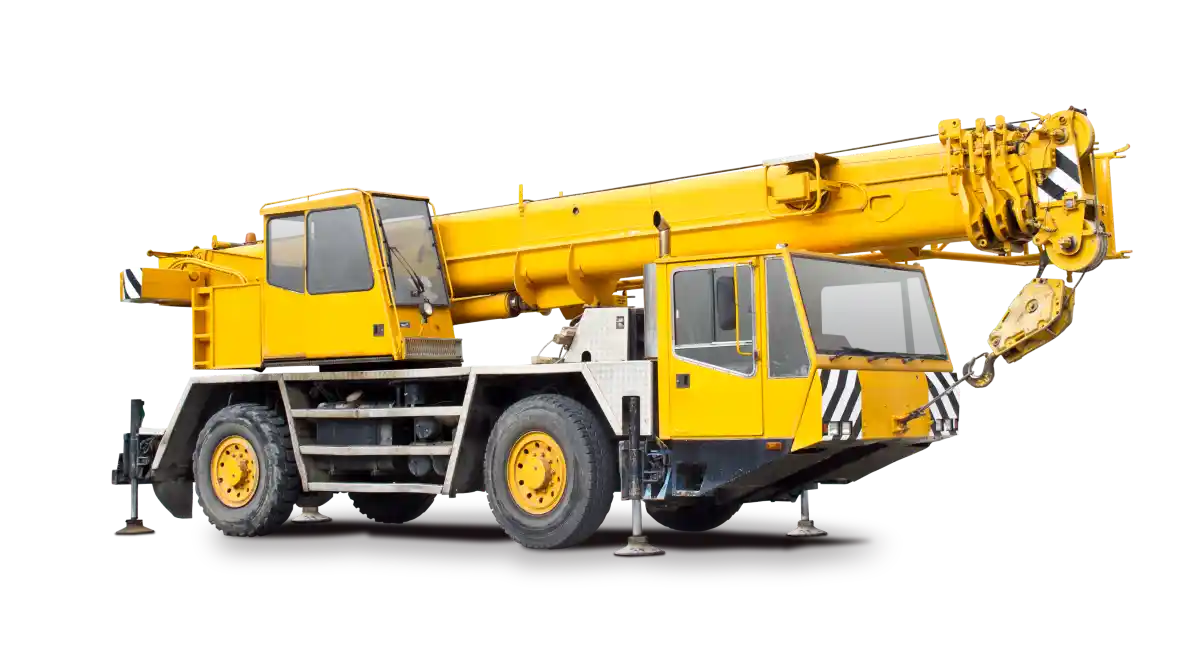
North Dakota crane rental often starts with the miles between the equipment and the job site. Wide Load Shipping coordinates the crane, heavy transport, rigging, and support loads around the work your crew needs to complete.
North Dakota heavy lifts are often tied to projects where mobilization matters just as much as crane capacity.
An oilfield project near Williston may be hours from the equipment needed for the lift. A processing facility in the Red River Valley may be replacing machinery during a planned shutdown. Utility, wind, agricultural, manufacturing, and infrastructure projects can require cranes and support equipment to travel across large portions of the state before setup begins.
Wide Load Shipping coordinates crane rental in North Dakota around those conditions.
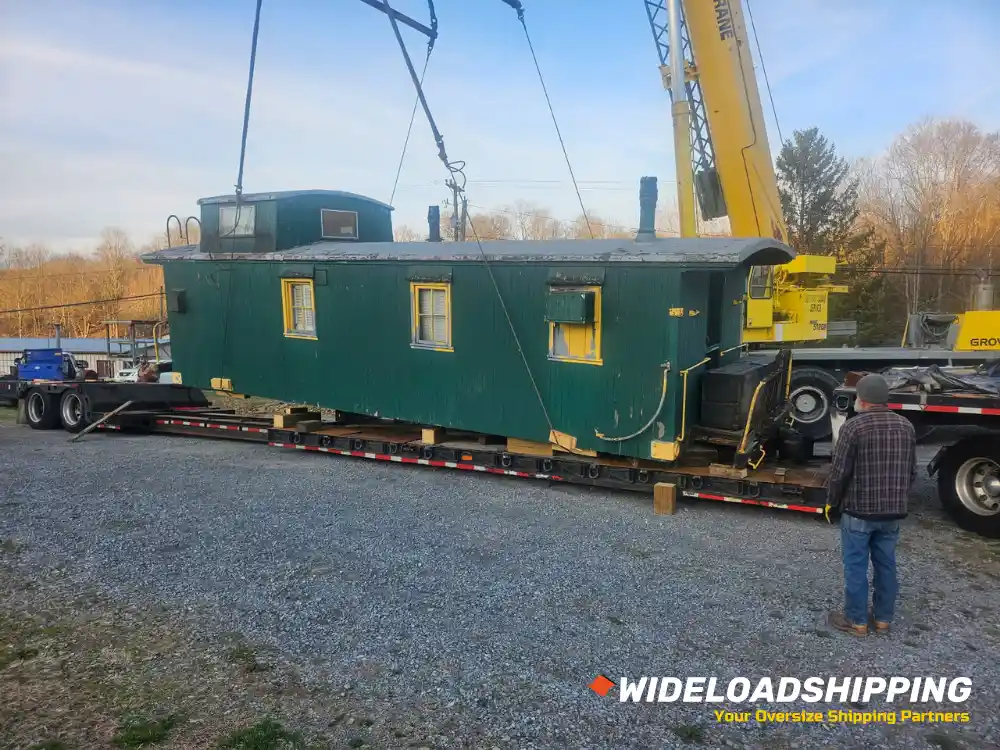
We help account for the load, working radius, crane configuration, site access, rigging, support equipment, and the transportation required to bring everything together. If the machinery being lifted is arriving by heavy haul, its delivery can be planned around the crane schedule.
That keeps the crane from waiting on the load and helps your crew avoid losing a limited installation or maintenance window.
Call (877) 765-3574 to coordinate your North Dakota crane rental.
Don't let logistics slow you down, we handle it all from permits to pickup. Speak to a live specialist today.
North Dakota crane demand reflects an economy where large equipment frequently operates far from dense population centers.
Western North Dakota has extensive oil, gas, energy, and industrial activity. Central North Dakota adds utilities, power generation, construction, and public infrastructure. Fargo and the Red River Valley have a stronger mix of manufacturing, agriculture, food processing, technology, and logistics.
That geographic spread makes transportation planning an important part of crane rental throughout North Dakota.
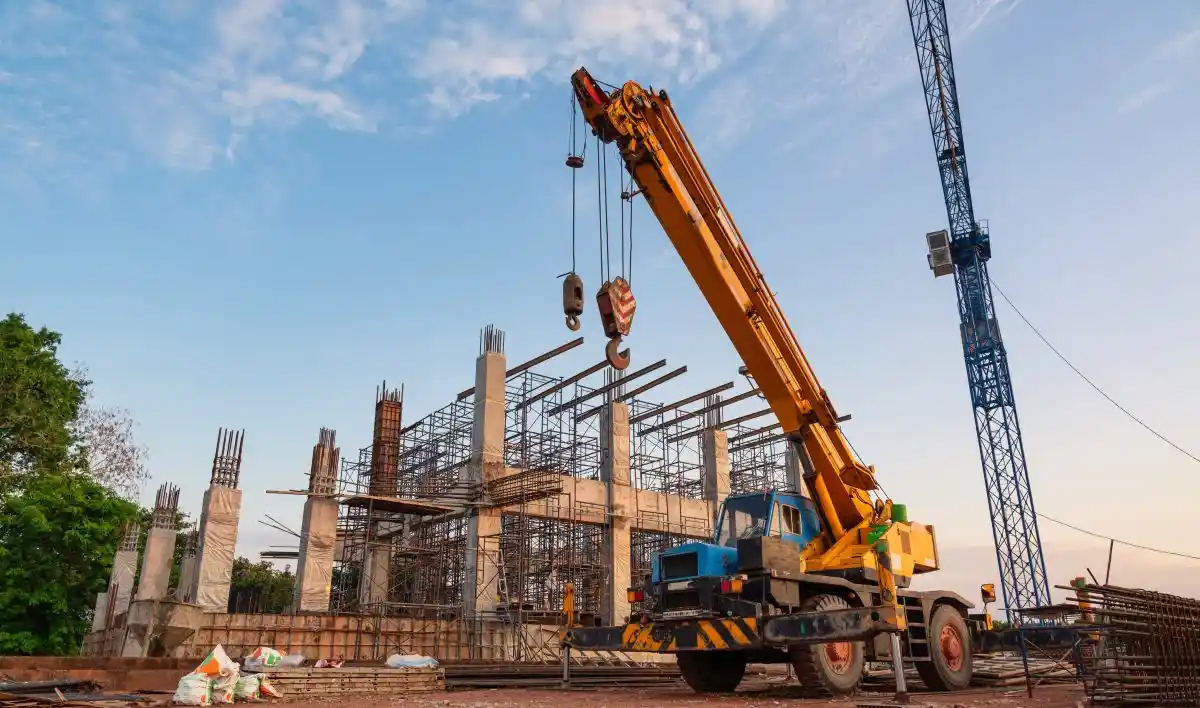
A crane working at an industrial property in Fargo may have very different requirements from one mobilizing to an energy site in western North Dakota.
Compact cranes can support facility work where space is limited. Rough terrain cranes can work effectively on unfinished or uneven sites. Larger all terrain and crawler configurations may be required for energy, utility, wind, infrastructure, and high-capacity industrial projects.
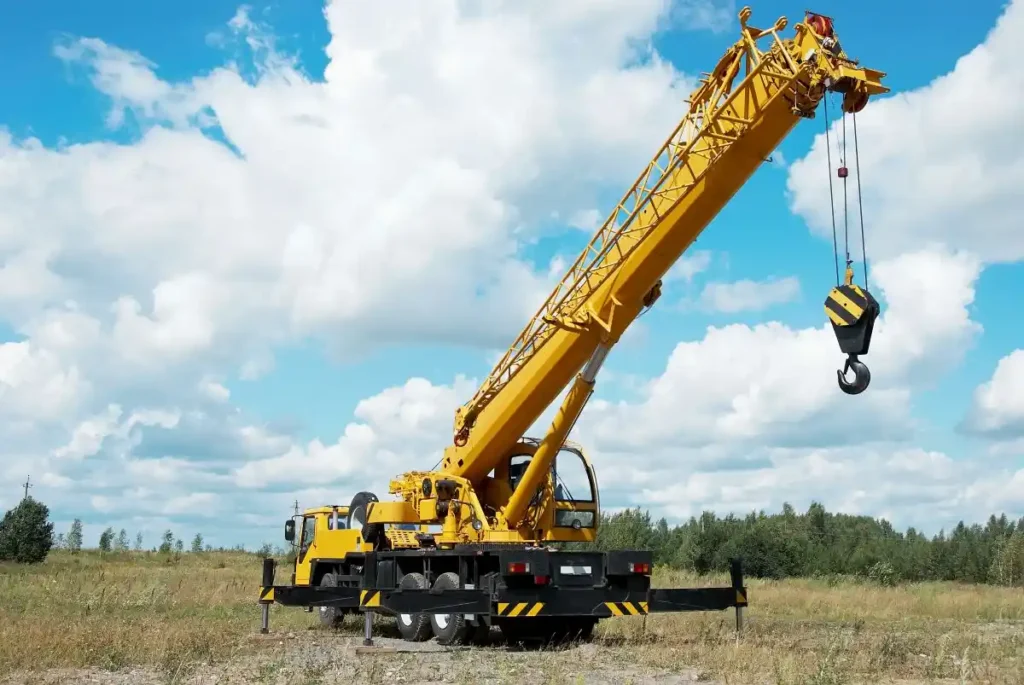
What Is Rigging?
Rigging determines how the crane supports and controls the load once lifting begins.
That becomes especially important when equipment is expensive, unusually shaped, or difficult to replace quickly at a remote job site.
An energy component may have concentrated weight. Agricultural-processing machinery can have limited lifting points. A transformer may need to remain level during placement. Long structural or wind-energy components may require several connection points to control the load.
The rigging arrangement should account for the equipment’s center of gravity, dimensions, approved lifting points, sling angles, clearances, orientation, and final position.
North Dakota projects with long mobilization distances leave little room for discovering a rigging problem after the crane and load reach the site.
Wide Load Shipping can help coordinate the equipment transportation with the crane and rigging requirements so the lift sequence is considered before dispatch.
| Crane Type | Typical Rental Duration | Estimated Rental Price |
|---|---|---|
| Boom Truck Crane Rental | 1–7 Days | $800–$2,500 per day |
| Mobile Crane Rental | 1–14 Days | $1,000–$3,500 per day |
| Rough Terrain Crane Rental | 3–21 Days | $700–$2,800 per day |
| All Terrain Crane Rental | 1–30 Days | $2,600–$6,700 per day |
| Carry Deck Crane Rental | 1–14 Days | $500–$1,800 per day |
These figures are estimated planning ranges rather than fixed North Dakota crane rental prices.
Mobilization can have a larger effect on total cost here than it does in more densely populated states. Crane capacity, operator requirements, rigging, support trucks, counterweights, permits, setup time, travel distance, and site conditions can all change the final project price.
A relatively short lift at a remote energy site may still require substantial transportation before the crane is ready to work.

| Crane Type | Typical Rental Duration | Estimated Monthly Rental Price |
|---|---|---|
| Mobile Crane Rental | 1–3 Months | $9,000–$21,000 per month |
| Rough Terrain Crane Rental | 1–4 Months | $7,500–$16,000 per month |
| All Terrain Crane Rental | 2–6 Months | $19,000–$42,000 per month |
| Crawler Crane Rental | 3–12 Months | $22,000–$72,000+ per month |
| Tower Crane Rental | 6–18 Months | $15,000–$37,000+ per month |
Long-term crane rental can be especially useful when repeated mobilization would add unnecessary cost.
Energy projects, industrial expansions, wind work, utility construction, data infrastructure, and major construction can require lifting support over several weeks or months.
The monthly equipment rate should be reviewed together with transportation, operator labor, assembly, inspections, maintenance, counterweights, rigging, engineering, and permitting requirements.

| North Dakota City | Primary Industries Driving Crane Rental Demand |
|---|---|
| Fargo | Manufacturing, construction, agriculture, technology |
| Bismarck | Energy, utilities, infrastructure, commercial construction |
| Williston | Oil and gas, energy, industrial construction |
| Minot | Energy, agriculture, infrastructure, construction |
| Dickinson | Oil and gas, energy, manufacturing, industrial work |
| Grand Forks | Aerospace, autonomous systems, manufacturing, agriculture |
| West Fargo | Manufacturing, logistics, commercial development |
| Mandan | Energy, utilities, industrial construction |
| Jamestown | Agriculture, food processing, manufacturing |
| Watford City | Oil and gas, energy, industrial infrastructure |
North Dakota does not have one single crane market that represents the entire state.
Fargo and West Fargo have stronger manufacturing, construction, logistics, and agricultural activity. Bismarck and Mandan add energy, utilities, infrastructure, and government-related construction.
Williston, Dickinson, Watford City, and surrounding western areas have a much stronger energy profile. Grand Forks adds aerospace, autonomous systems, agriculture, and manufacturing.
| Lift Application | Common Crane Capacity |
|---|---|
| Oil and Gas Processing Equipment | 80–300 Ton Cranes |
| Wind Energy Components | 150–500+ Ton Cranes |
| Utility Transformers | 80–250 Ton Cranes |
| Agricultural Processing Equipment | 40–200 Ton Cranes |
| Grain Handling Systems | 60–250 Ton Cranes |
| Manufacturing Machinery | 60–300 Ton Cranes |
| Power Generation Equipment | 100–500+ Ton Cranes |
| Structural Steel | 80–300 Ton Cranes |
| Bridge and Infrastructure Work | 150–500+ Ton Cranes |
| Data Infrastructure Equipment | 60–300 Ton Cranes |
These ranges provide a starting point for planning.
Final crane capacity depends on the actual load chart at the required working radius. Boom configuration, setup area, placement height, ground conditions, counterweights, and the path the load needs to travel all affect crane selection.
| Industry | Primary Crane Rental Applications |
|---|---|
| Oil and Gas | Processing equipment, tanks, structural components |
| Energy | Generation equipment, mechanical systems, facility expansion |
| Wind Energy | Turbine components, electrical equipment, maintenance |
| Utilities | Transformers, substations, transmission equipment |
| Agriculture | Grain systems, storage equipment, processing machinery |
| Food Processing | Production systems, tanks, refrigeration equipment |
| Advanced Manufacturing | Machinery installation, production equipment |
| Autonomous Systems | Facility equipment, structural and mechanical systems |
| Data Infrastructure | Generators, electrical systems, cooling equipment |
| Infrastructure | Bridges, transportation projects, public improvements |
North Dakota’s energy sector creates some of the state’s heaviest lifting requirements, but it is not the only source of crane demand.
Agriculture and value-added processing require grain systems, tanks, production equipment, and storage infrastructure. Manufacturing creates machinery installation work. Utilities and wind projects add transformers and electrical equipment.
Growth in technology and large-load infrastructure can also create demand for heavy mechanical, cooling, electrical, and backup-power equipment.
| Service Type | Typical Scheduling Time |
|---|---|
| Emergency Crane Rental | Same Day, When Available |
| Standard Mobile Crane Rental | 24–72 Hours |
| Boom Truck Crane Rental | 24–48 Hours |
| Rough Terrain Crane Rental | 2–5 Days |
| All Terrain Crane Rental | 3–7 Days |
| Heavy Lift Crane Rental | 3–10 Days |
| Crawler Crane Rental | 1–2 Weeks |
| Tower Crane Projects | Several Weeks to Months |
| Operated Crane Rental | 24–72 Hours |
| Bare Crane Rental | 2–7 Days |
North Dakota’s geography can extend these scheduling windows.
A routine crane project around Fargo or Bismarck may have a relatively straightforward mobilization. A high-capacity crane traveling to an oilfield, wind project, utility site, or rural industrial facility may require more time for support loads and transportation.
Winter weather can also affect travel and site preparation, so projects tied to a fixed shutdown or installation window should be scheduled as early as practical.
North Dakota crane rental pricing depends on capacity, duration, working radius, operator requirements, rigging, mobilization, and site conditions. Travel distance can have a significant effect when equipment must mobilize to western or rural portions of the state.
Yes. Processing equipment, tanks, structural components, mechanical systems, maintenance work, and facility expansions can all require crane support.
Yes. Turbine components, transformers, electrical equipment, maintenance work, and supporting infrastructure can require high-capacity lifting equipment.
Yes. Machinery, transformers, energy equipment, counterweights, structural components, and other oversized loads can be coordinated around the crane schedule.
Yes. Remote projects can be supported, although additional lead time may be necessary depending on crane class, travel distance, access, weather, and the number of support loads required.
Yes. Grain handling systems, conveyors, dryers, storage structures, processing machinery, and other agricultural equipment can require crane and rigging support.
When the site layout and lift plan allow it, yes. Coordinating the transport trailer with the crane can reduce rehandling and avoid unnecessary temporary staging.
Provide the load weight and dimensions, project location, setup area, working radius, placement point, requested lift date, road and site access information, and any known rigging requirements. For remote projects, precise location and access details are particularly important.
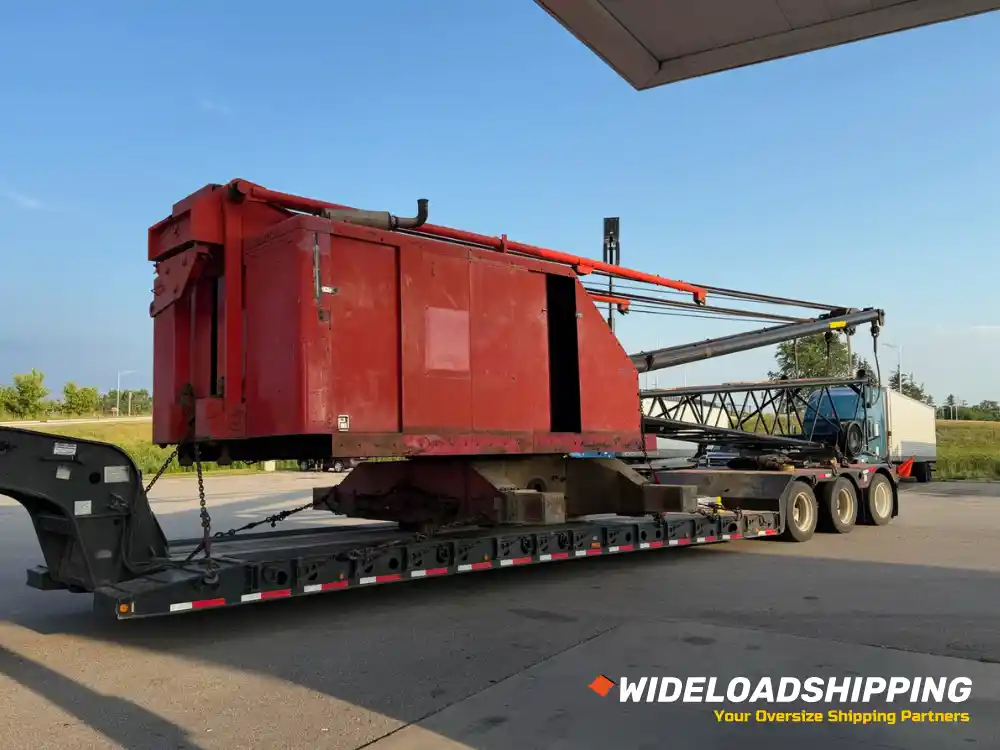
North Dakota projects can put hundreds of miles between the crane, the equipment being lifted, and the job site.
That makes timing important long before lift day.
Wide Load Shipping can coordinate the heavy transport with the crane, rigging, counterweights, and other support loads so those pieces move toward the same project schedule.
Our heavy-haul experience is particularly valuable when energy equipment, transformers, industrial machinery, agricultural systems, or other oversized loads need to travel significant distances before they can be installed.
Your crew gets one point of coordination for the logistics surrounding the lift, with the goal of having the right equipment at the site when the work is actually ready to begin.
Call (877) 765-3574 to coordinate your North Dakota crane rental.