Washington crane rental can mean working beside an active port, inside an aerospace facility, on a crowded Puget Sound construction site, or miles inland at a utility or industrial project. Wide Load Shipping coordinates the lift around the conditions already shaping the job.
A crane project in Washington can change dramatically depending on which side of the Cascades the job is on.
Western Washington brings dense construction, ports, marine facilities, aerospace production, manufacturing, and utility work. Space can be tight, traffic can affect equipment movement, and the crane may have only one practical setup position.
Eastern Washington creates different challenges. Agricultural processing, utilities, manufacturing, infrastructure, and industrial projects can offer more open space but require longer mobilization and careful transportation planning.
Wide Load Shipping coordinates crane rental in Washington with those differences in mind.
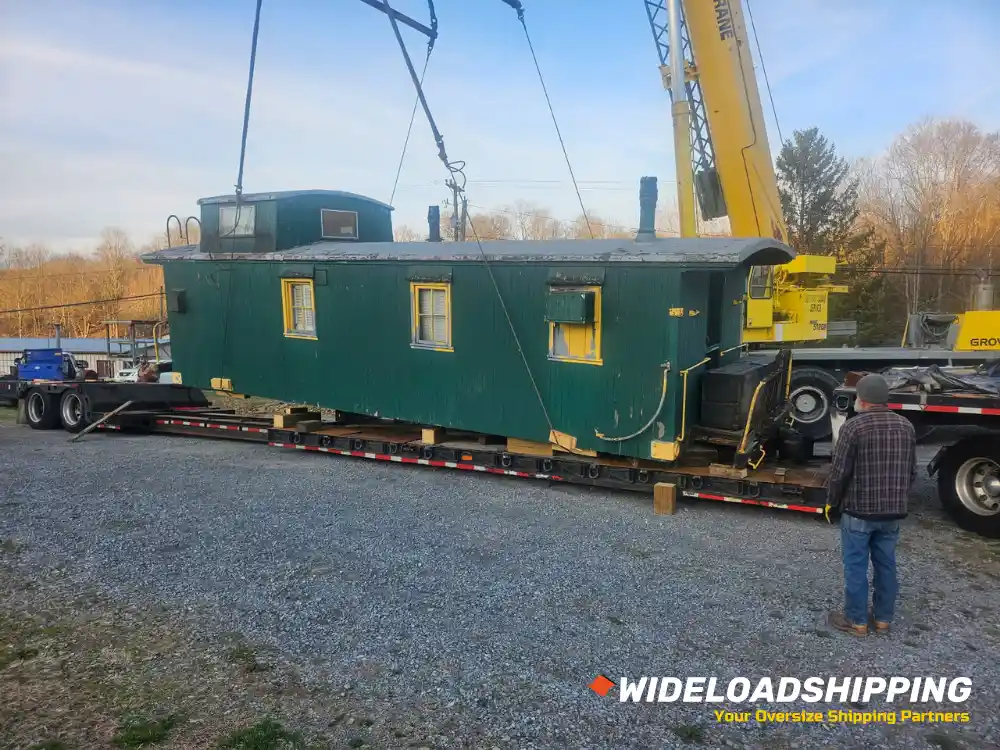
We help plan the crane around the working radius, load weight, setup area, rigging requirements, site access, equipment delivery, and final placement. When the load is arriving by heavy haul, the transport can be scheduled around the crane so the equipment reaches the site when the lift is ready to happen.
Call (877) 765-3574 to coordinate your Washington crane rental.

Don't let logistics slow you down, we handle it all from permits to pickup. Speak to a live specialist today.
Washington crane rental demand is shaped by both coastal industry and inland production.
The Puget Sound region creates frequent crane work around aerospace facilities, marine operations, ports, manufacturing, utilities, and major construction. Eastern Washington adds agricultural processing, food production, utilities, industrial facilities, and infrastructure.
Those different environments create different crane requirements even when the load itself is similar.
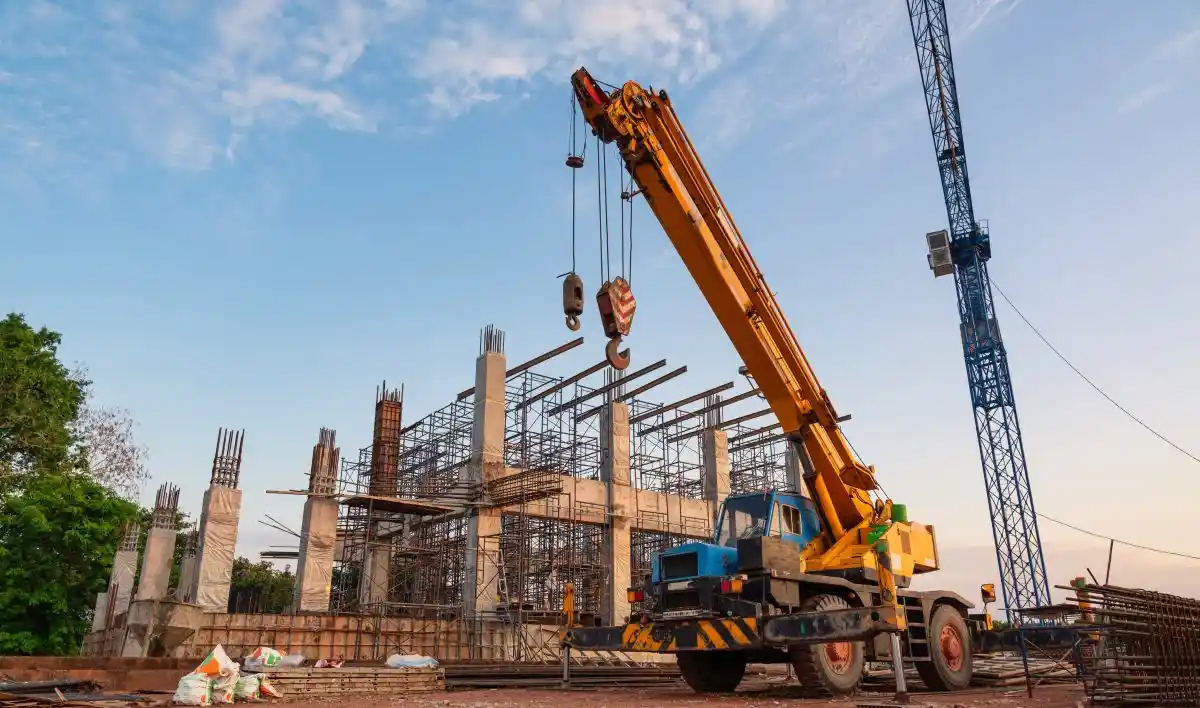
Washington job sites often make mobility and setup flexibility especially important.
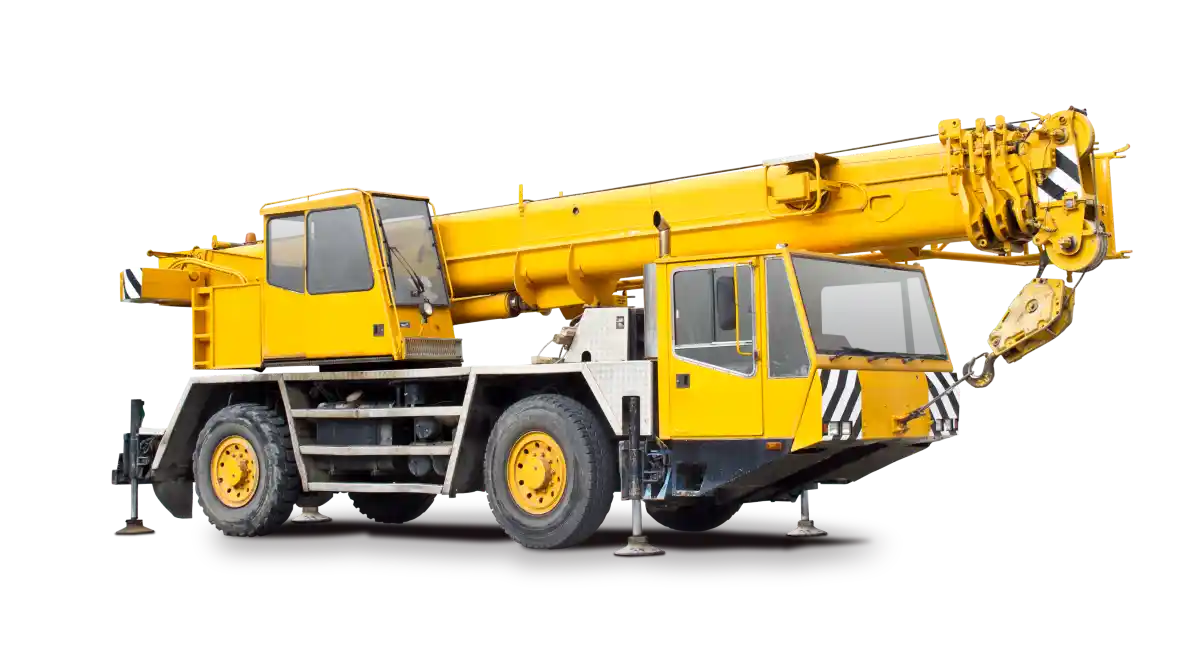
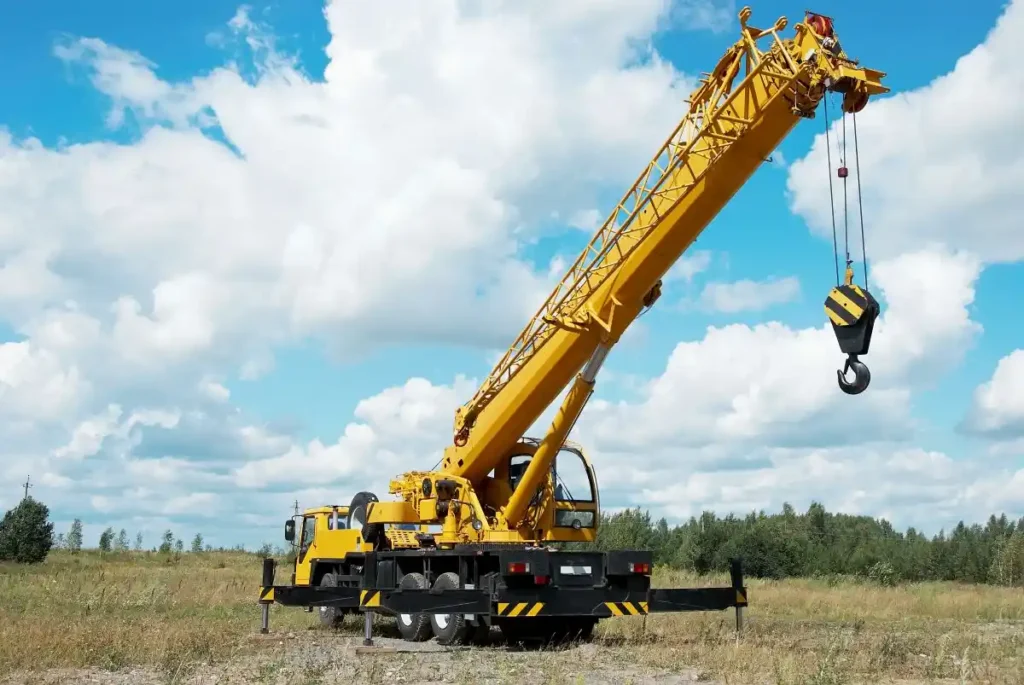
A carry deck crane can work inside a plant where large equipment cannot maneuver. Boom trucks can support many utility and commercial lifts. Rough terrain cranes are useful on unfinished sites, while all terrain cranes can move efficiently between highways and more demanding project access.
Marine, bridge, heavy industrial, and large structural work may require crawler or higher-capacity crane configurations.
What Is Rigging?
Rigging determines whether the crane can keep the load balanced and controlled while moving it into position.
An aerospace fixture may have defined lifting points and an uneven center of gravity. Marine machinery can be compact but extremely heavy. A long structural component may require support across several points to prevent unwanted movement or distortion.
The rigging plan connects those load characteristics to the crane.
Washington projects can involve loads arriving by highway, port, or specialized heavy transport before the crane ever touches them.
Planning the trailer position, lifting points, rigging configuration, and installation direction ahead of arrival helps prevent the crew from having to reposition heavy equipment after it reaches a busy site.
| Crane Type | Typical Rental Duration | Estimated Rental Price |
|---|---|---|
| Boom Truck Crane Rental | 1–7 Days | 950–3,000 per day |
| Mobile Crane Rental | 1–14 Days | 1,300–4,300 per day |
| Rough Terrain Crane Rental | 3–21 Days | 900–3,300 per day |
| All Terrain Crane Rental | 1–30 Days | 3,000–7,800 per day |
| Carry Deck Crane Rental | 1–14 Days | 600–2,000 per day |
These figures are estimated budgeting ranges for Washington crane rental.
A lift around Seattle or Tacoma can carry costs associated with restricted access, setup time, traffic coordination, operators, rigging, counterweights, support equipment, and transportation. Projects farther east may have easier setup conditions but greater mobilization distance.
The final price depends on what it takes to get the crane fully configured and ready at the hook.

| Crane Type | Typical Rental Duration | Estimated Monthly Rental Price |
|---|---|---|
| Mobile Crane Rental | 1–3 Months | 11,000–24,000 per month |
| Rough Terrain Crane Rental | 1–4 Months | 8,000–17,000 per month |
| All Terrain Crane Rental | 2–6 Months | 21,000–46,000 per month |
| Crawler Crane Rental | 3–12 Months | 23,000–75,000+ per month |
| Tower Crane Rental | 6–18 Months | 17,000–40,000+ per month |
Long-term crane rental can support Washington manufacturing expansions, port work, large construction programs, infrastructure, utilities, and extended industrial projects.
Monthly equipment pricing should be evaluated with operator requirements, transportation, crane assembly, counterweights, inspections, maintenance, engineering, permits, and rigging.
| Washington City | Primary Industries Driving Crane Rental Demand |
|---|---|
| Seattle | Construction, marine work, utilities, technology facilities |
| Tacoma | Ports, manufacturing, logistics, industrial construction |
| Everett | Aerospace, manufacturing, marine activity |
| Spokane | Manufacturing, utilities, construction, infrastructure |
| Vancouver | Manufacturing, ports, construction, logistics |
| Kent | Aerospace, manufacturing, warehousing, logistics |
| Renton | Aerospace, manufacturing, commercial development |
| Bellevue | Commercial construction, technology facilities, utilities |
| Yakima | Agricultural processing, food production, utilities |
| Bellingham | Marine work, manufacturing, construction |
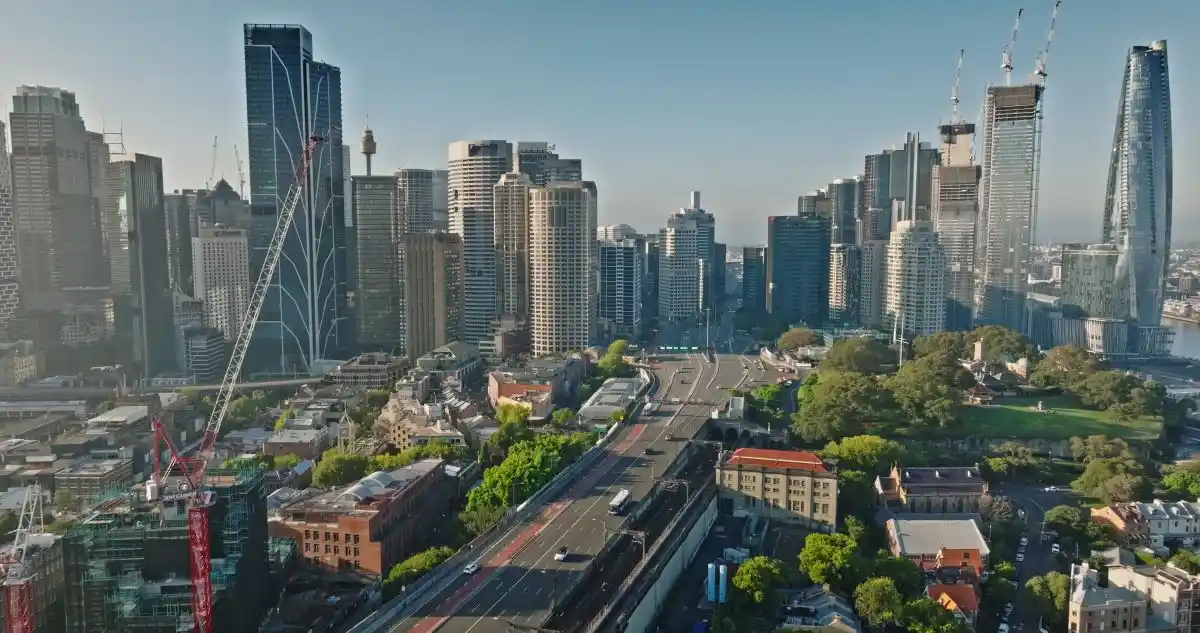
Washington crane demand follows several very different industrial clusters.
Seattle and Bellevue create dense commercial, technology, infrastructure, and mechanical lifting work. Tacoma and Vancouver add port, logistics, manufacturing, and industrial projects.
Everett, Renton, and Kent have stronger aerospace and production-related demand, while Spokane and Yakima bring more inland manufacturing, agriculture, utilities, and infrastructure.
| Lift Application | Common Crane Capacity |
|---|---|
| Aerospace Production Equipment | 60–300 Ton Cranes |
| Port and Marine Equipment | 100–500+ Ton Cranes |
| Manufacturing Machinery | 60–300 Ton Cranes |
| Utility Transformers | 80–300 Ton Cranes |
| Structural Steel | 80–300 Ton Cranes |
| Commercial HVAC | 40–120 Ton Cranes |
| Food Processing Equipment | 40–200 Ton Cranes |
| Data Infrastructure Equipment | 60–250 Ton Cranes |
| Bridge and Infrastructure Work | 150–500+ Ton Cranes |
| Water Treatment Equipment | 60–250 Ton Cranes |
These ranges provide a practical starting point for discussing crane capacity.
The actual requirement can change substantially once the working radius is known. Buildings, marine edges, active traffic lanes, utilities, and completed structures can all force the crane farther from the load and increase the capacity needed.
| Industry | Primary Crane Rental Applications |
|---|---|
| Aerospace | Production machinery, tooling, structural equipment |
| Ports and Marine | Terminal equipment, machinery, structural components |
| Advanced Manufacturing | Machinery installation, plant expansion |
| Utilities | Transformers, substations, electrical equipment |
| Data Infrastructure | Generators, cooling equipment, electrical systems |
| Commercial Construction | Structural steel, rooftop equipment |
| Food Processing | Production machinery, tanks, refrigeration |
| Agricultural Processing | Processing systems, storage equipment |
| Water Infrastructure | Pumps, tanks, treatment equipment |
| Transportation Infrastructure | Bridges, structural work, public projects |
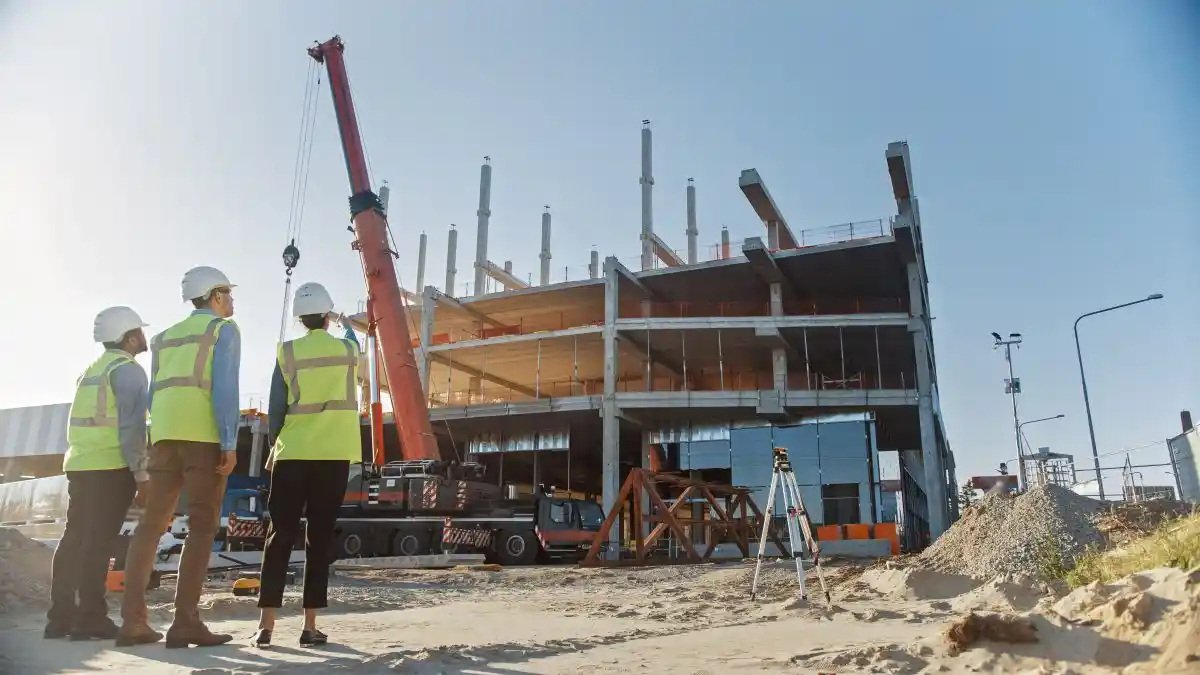
Washington crane rental demand comes from projects where extremely different types of heavy equipment all need precise placement.
Aerospace facilities require machinery and tooling. Ports and marine projects handle heavier structural and mechanical components. Utilities and data infrastructure create transformer and generator lifts, while food processing and agriculture add production systems throughout the inland portion of the state.
| Service Type | Typical Scheduling Time |
|---|---|
| Emergency Crane Rental | Same Day, When Available |
| Standard Mobile Crane Rental | 24–72 Hours |
| Boom Truck Crane Rental | 24–48 Hours |
| Rough Terrain Crane Rental | 2–5 Days |
| All Terrain Crane Rental | 3–7 Days |
| Heavy Lift Crane Rental | 3–10 Days |
| Crawler Crane Rental | 1–2 Weeks |
| Tower Crane Projects | Several Weeks to Months |
| Operated Crane Rental | 24–72 Hours |
| Bare Crane Rental | 2–7 Days |
Washington scheduling is heavily influenced by where the crane needs to work.
A routine commercial lift near a major metro can have a relatively short equipment mobilization, but the site may require additional time for access and setup. Inland projects may offer easier staging while adding more travel.
Large crane configurations can also require separate support loads for counterweights and boom sections, so high-capacity projects should be scheduled well before the required lift date.
Washington crane rental pricing depends on crane capacity, working radius, rental duration, operators, rigging, transportation, access, and support equipment. Metro-area restrictions and long-distance inland mobilization can affect the total in different ways.
Yes. Terminal equipment, marine machinery, structural components, utility systems, and waterfront construction can require crane and rigging support.
Yes. Production machinery, tooling, structural systems, facility equipment, and maintenance projects can require cranes for installation and replacement.
Yes. Transformers, substations, generators, electrical equipment, and utility structures can require crane support throughout Washington.
Yes. Aerospace machinery, transformers, port equipment, industrial machinery, structural components, and other oversized loads can be coordinated with the crane schedule.
Yes. Crane mobilization can be coordinated for manufacturing, agriculture, utilities, infrastructure, and industrial projects throughout eastern Washington.
When the setup and lift plan allow it, yes. Direct placement can reduce rehandling and is especially useful where staging space is restricted.
Provide the load dimensions and weight, exact project location, available crane setup area, working radius, placement point, lift date, access restrictions, and known rigging requirements.
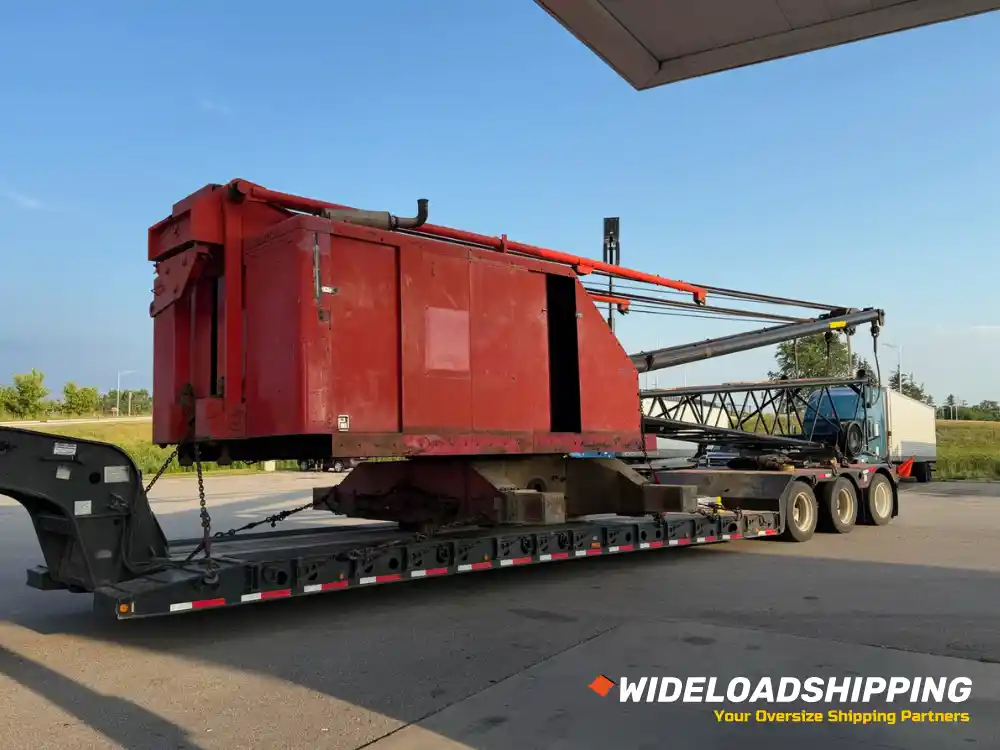
Washington projects can make the distance between equipment arrival and final placement surprisingly complicated.
A load may arrive through a port or travel across the Cascades. The crane may be working inside an active manufacturing or aerospace property. An urban job can have almost no staging space, while an inland project may require support equipment to travel hundreds of miles.
Wide Load Shipping helps put those movements onto one project plan.
We can coordinate oversized transport with the crane, rigging, and support equipment so the load reaches the Washington job site with a clear path toward final placement.
That gives contractors, facility teams, manufacturers, utilities, and project managers one point of coordination for the logistics surrounding the lift.
Call (877) 765-3574 to coordinate your Washington crane rental.