
West Virginia crane rental often has to solve for terrain before the first pick ever happens. Wide Load Shipping helps coordinate the crane, rigging, heavy transport, and support equipment around mountain access, industrial sites, and the work window your crew has available.
West Virginia can turn an otherwise straightforward crane job into a serious access-planning project.
A mining or processing facility may sit along a narrow industrial road with limited room for support trucks. Utility equipment can need placement on steep or restricted sites. Manufacturing and construction projects may have enough room for the load itself but not for the crane configuration required to reach it.
For crane rental in West Virginia, the setup plan has to work before the crane starts moving.
Wide Load Shipping helps account for how the crane reaches the site, where it can safely set up, how far it needs to work from the load, and what support equipment has to follow. When the equipment being lifted is also oversized, its transport can be coordinated with the crane so the job site does not become a waiting area.
That keeps the focus on completing the lift instead of solving preventable logistics problems after dispatch.
Call (877) 765-3574 to coordinate your West Virginia crane rental.
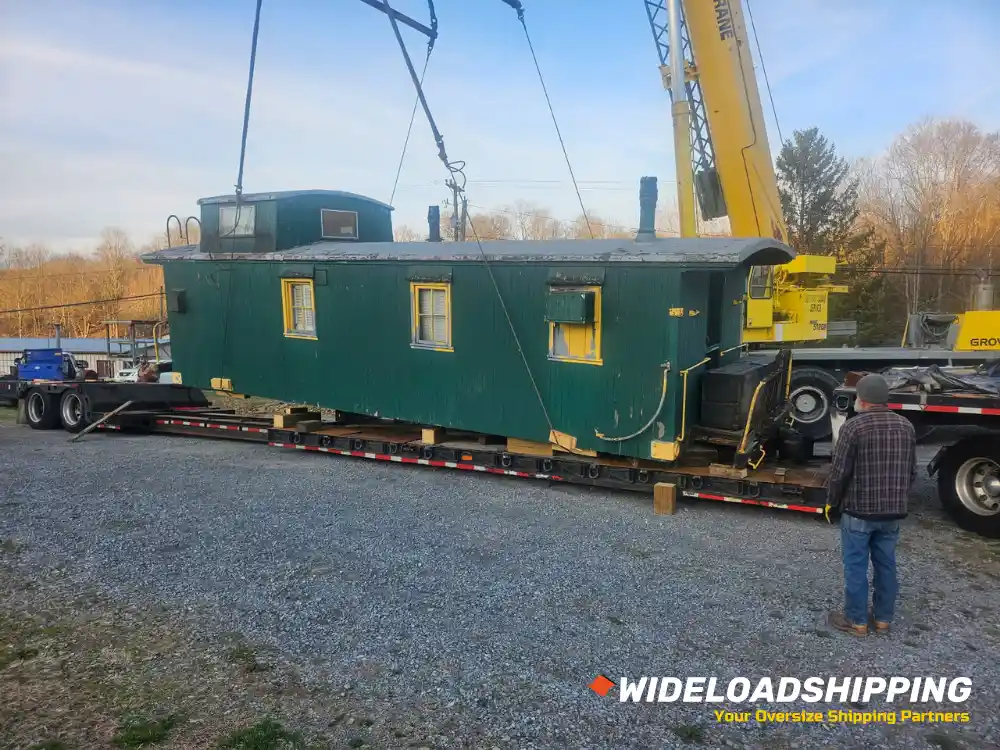

Don't let logistics slow you down, we handle it all from permits to pickup. Speak to a live specialist today.
West Virginia crane rental demand is closely tied to heavy equipment working in places where access is rarely simple.
Mining and processing facilities create machinery and maintenance lifts. Chemical and energy projects add vessels, process equipment, transformers, and structural components. Utilities and infrastructure require cranes for equipment that may sit on steep grades, near waterways, or along constrained transportation corridors.
That makes site conditions a major part of the crane decision.
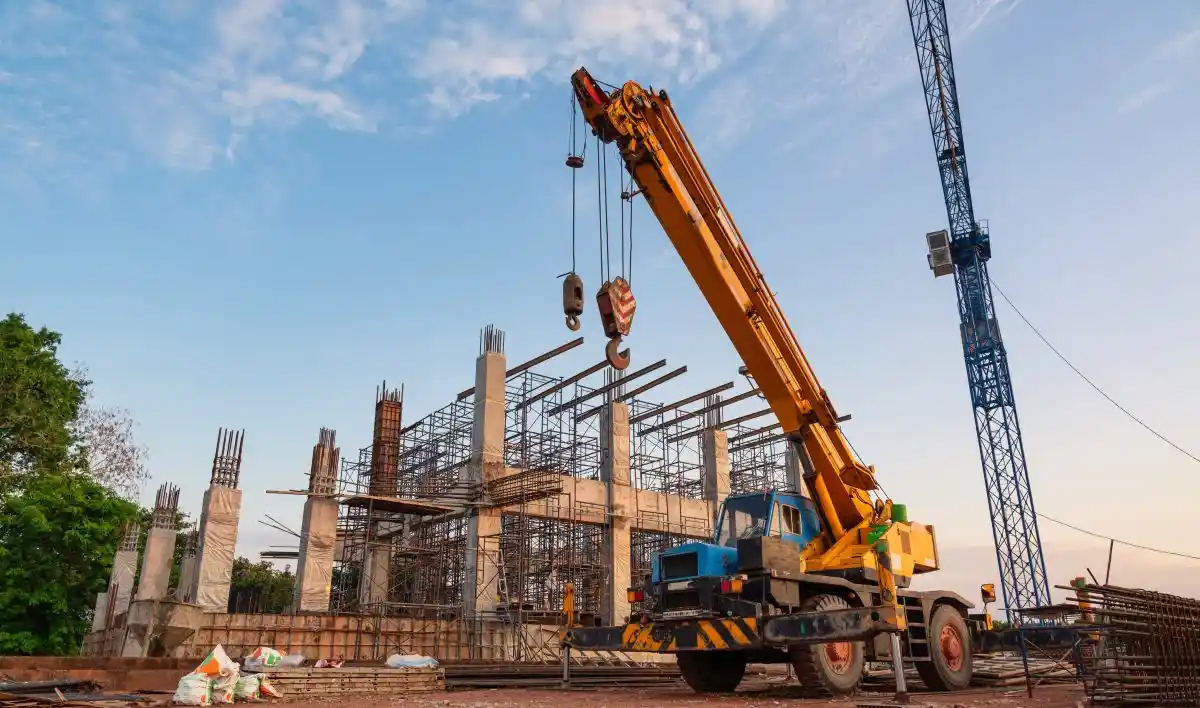
In West Virginia, the crane has to fit the terrain as well as the load.
A rough terrain crane can be useful where finished setup surfaces are limited. All terrain cranes can support larger lifts that require highway travel followed by more challenging site access. Mobile cranes fit many industrial and utility projects, while crawler cranes may be considered when heavy capacity and extended on-site work are required.
Compact and carry deck cranes can also support machinery work inside plants and processing facilities.
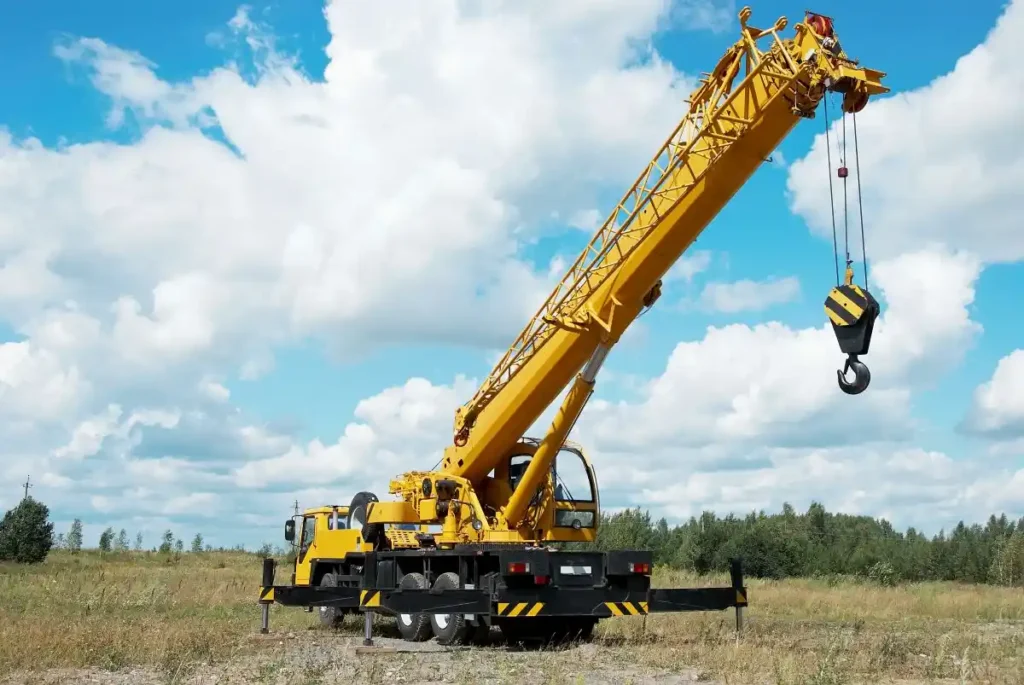
What Is Rigging?
Rigging controls how the load connects to the crane and how it behaves once the crane takes the weight.
Mining and processing equipment can be dense, asymmetrical, and difficult to balance. A motor or gearbox can shift the center of gravity toward one end of a machine. Long conveyor sections may require several lifting points. Tanks and process equipment may need to remain in a controlled orientation throughout the pick.
The rigging plan needs to reflect those physical characteristics before the load leaves its support.
West Virginia sites are not always forgiving when the wrong rigging equipment arrives.
Getting another lifting beam, sling configuration, or specialty attachment to a remote industrial property can cost valuable time. Planning the rigging with the transport and crane setup before dispatch reduces that risk.
| Crane Type | Typical Rental Duration | Estimated Rental Price |
|---|---|---|
| Boom Truck Crane Rental | 1–7 Days | 800–2,500 per day |
| Mobile Crane Rental | 1–14 Days | 1,000–3,500 per day |
| Rough Terrain Crane Rental | 3–21 Days | 700–2,800 per day |
| All Terrain Crane Rental | 1–30 Days | 2,500–6,500 per day |
| Carry Deck Crane Rental | 1–14 Days | 500–1,800 per day |
These are estimated budgeting ranges for West Virginia crane rental.
Terrain and access can have a significant effect on the total cost. The crane may need additional mobilization time, support trucks, operator hours, counterweights, rigging, permits, or site preparation before the first lift is made.
A remote industrial job can therefore cost more to mobilize even when the crane is needed for only a short period.

| Crane Type | Typical Rental Duration | Estimated Monthly Rental Price |
|---|---|---|
| Mobile Crane Rental | 1–3 Months | 9,000–20,000 per month |
| Rough Terrain Crane Rental | 1–4 Months | 7,000–15,000 per month |
| All Terrain Crane Rental | 2–6 Months | 18,000–40,000 per month |
| Crawler Crane Rental | 3–12 Months | 20,000–70,000+ per month |
| Tower Crane Rental | 6–18 Months | 15,000–35,000+ per month |
Long-term crane rental can reduce repeated mobilization on West Virginia mining, energy, industrial construction, utility, and infrastructure projects.
Before comparing monthly rates, consider operator requirements, transportation, crane assembly, counterweights, maintenance, inspections, engineering, permits, and rigging.
On difficult-access sites, avoiding multiple crane moves can be a major part of the project decision.
| West Virginia City | Primary Industries Driving Crane Rental Demand |
|---|---|
| Charleston | Utilities, construction, industrial work, infrastructure |
| Huntington | Manufacturing, logistics, industrial construction |
| Morgantown | Construction, energy, healthcare, utilities |
| Parkersburg | Chemical processing, manufacturing, industrial facilities |
| Wheeling | Manufacturing, construction, infrastructure |
| Martinsburg | Logistics, warehousing, manufacturing, construction |
| Beckley | Mining, construction, utilities |
| Clarksburg | Energy, utilities, manufacturing |
| Fairmont | Energy, manufacturing, infrastructure |
| Bluefield | Mining, industrial work, utilities |
West Virginia crane demand is distributed across several smaller industrial centers.
Charleston and Huntington support broad construction, utility, manufacturing, and infrastructure work. Parkersburg has stronger chemical and industrial activity. Beckley and Bluefield are more closely tied to mining and heavy equipment work, while Morgantown and the northern part of the state add energy, healthcare, construction, and utility projects.
| Lift Application | Common Crane Capacity |
|---|---|
| Mining Processing Equipment | 100–500+ Ton Cranes |
| Crushers and Conveyors | 80–400 Ton Cranes |
| Chemical Process Equipment | 80–300 Ton Cranes |
| Utility Transformers | 80–250 Ton Cranes |
| Manufacturing Machinery | 60–300 Ton Cranes |
| Structural Steel | 80–300 Ton Cranes |
| Energy Equipment | 80–400 Ton Cranes |
| Bridge and Infrastructure Work | 150–500+ Ton Cranes |
| Water Treatment Equipment | 60–250 Ton Cranes |
| Commercial HVAC | 40–120 Ton Cranes |
These capacity ranges are useful for initial planning.
The actual crane requirement can change quickly when a lift involves steep grades, elevation differences, existing industrial equipment, limited setup room, or a long reach from the only usable crane position.
| Industry | Primary Crane Rental Applications |
|---|---|
| Mining | Processing equipment, crushers, conveyors, maintenance |
| Energy | Mechanical systems, processing equipment, facility work |
| Chemical Processing | Tanks, vessels, process machinery |
| Utilities | Transformers, substations, electrical equipment |
| Advanced Manufacturing | Machinery installation, plant upgrades |
| Metals and Fabrication | Production equipment, structural components |
| Industrial Construction | Machinery, structural systems, facility expansion |
| Water Infrastructure | Pumps, tanks, treatment equipment |
| Transportation Infrastructure | Bridges, structural components, public works |
| Commercial Construction | Steel, rooftop equipment, mechanical systems |
West Virginia crane rental demand remains closely tied to industries that move heavy equipment through difficult sites.
Mining, energy, and chemical projects create heavier mechanical and process lifts. Manufacturing and fabrication require machinery placement, while utilities and infrastructure bring transformers, bridge components, and public-system equipment into the mix.
| Service Type | Typical Scheduling Time |
|---|---|
| Emergency Crane Rental | Same Day, When Available |
| Standard Mobile Crane Rental | 24–72 Hours |
| Boom Truck Crane Rental | 24–48 Hours |
| Rough Terrain Crane Rental | 2–5 Days |
| All Terrain Crane Rental | 3–7 Days |
| Heavy Lift Crane Rental | 3–10 Days |
| Crawler Crane Rental | 1–2 Weeks |
| Tower Crane Projects | Several Weeks to Months |
| Operated Crane Rental | 24–72 Hours |
| Bare Crane Rental | 2–7 Days |
West Virginia response time can depend heavily on the last portion of the trip.
The crane may reach the general project area quickly but still need additional planning to navigate a narrow industrial road, steep grade, or restricted entrance. Larger cranes also require support loads carrying counterweights or boom sections.
Projects tied to outages, maintenance shutdowns, or remote industrial work should be scheduled early enough to account for both travel and site access.
West Virginia crane rental pricing depends on crane size, working radius, rental duration, operators, rigging, transportation, terrain, and site access. Remote or difficult-access projects can require additional mobilization and support equipment.
Yes. Crushers, conveyors, processing machinery, structural components, maintenance equipment, and facility expansions can require crane support.
Yes. Crane mobilization can be coordinated for remote mining, energy, utility, construction, and industrial projects. Access conditions and crane size can affect the required lead time.
Yes. Tanks, process machinery, vessels, structural systems, maintenance components, and plant equipment can require cranes and rigging.
Yes. Mining equipment, transformers, process machinery, structural components, and other oversized loads can be coordinated with the crane schedule.
Yes. Bridge sections, structural assemblies, utility equipment, water systems, and other heavy infrastructure loads can require high-capacity cranes.
When the site setup allows it, yes. Coordinating the trailer and crane can reduce rehandling and is especially useful at industrial sites with limited staging space.
Provide the load weight and dimensions, exact project location, crane setup area, working radius, placement point, lift date, access conditions, road limitations, and known rigging requirements.
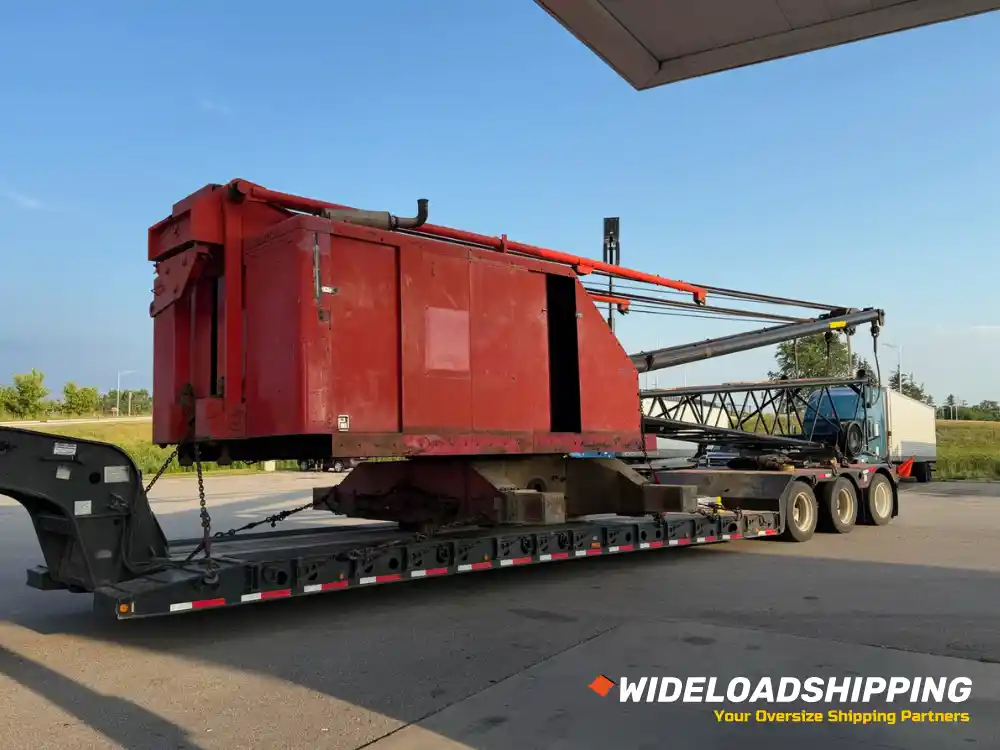
West Virginia heavy lifts often succeed or fail based on the approach to the site.
A crane can have enough capacity and still be the wrong choice if it cannot reach the setup area. A heavy-haul trailer can have the right equipment on board and still lose time if the final access road was never considered.
Wide Load Shipping helps connect those details before the move begins.
We can coordinate oversized transport with crane mobilization, rigging, and support equipment so the load and lifting plan are built around the same site conditions.
That gives West Virginia contractors, plant teams, mining operations, utilities, and project managers one point of coordination from equipment pickup through final placement.
Call (877) 765-3574 to coordinate your West Virginia crane rental.

Our service area pages are still being added, but our coverage is already nationwide. Contact us at (877) 792-5056