Hawaii crane rental requires a transportation plan as much as a lifting plan. Island location, harbor access, equipment availability, and delivery timing can all determine how the project comes together.
Crane rental in Hawaii works differently from most mainland projects.
The crane required for the job may not be located on the same island as the project. The equipment being lifted may arrive by ocean freight. Counterweights and other support loads can require separate transportation. Once everything reaches the island, road access and limited staging space still have to be considered.
Wide Load Shipping coordinates crane rental in Hawaii around those logistics.
We help connect crane requirements with heavy equipment transportation, rigging, island access, site conditions, and the schedule your crew needs to meet.
For a Hawaii project, avoiding one missed transportation connection can be just as important as selecting the correct crane.
Call (877) 765-3574 to coordinate your Hawaii crane rental.
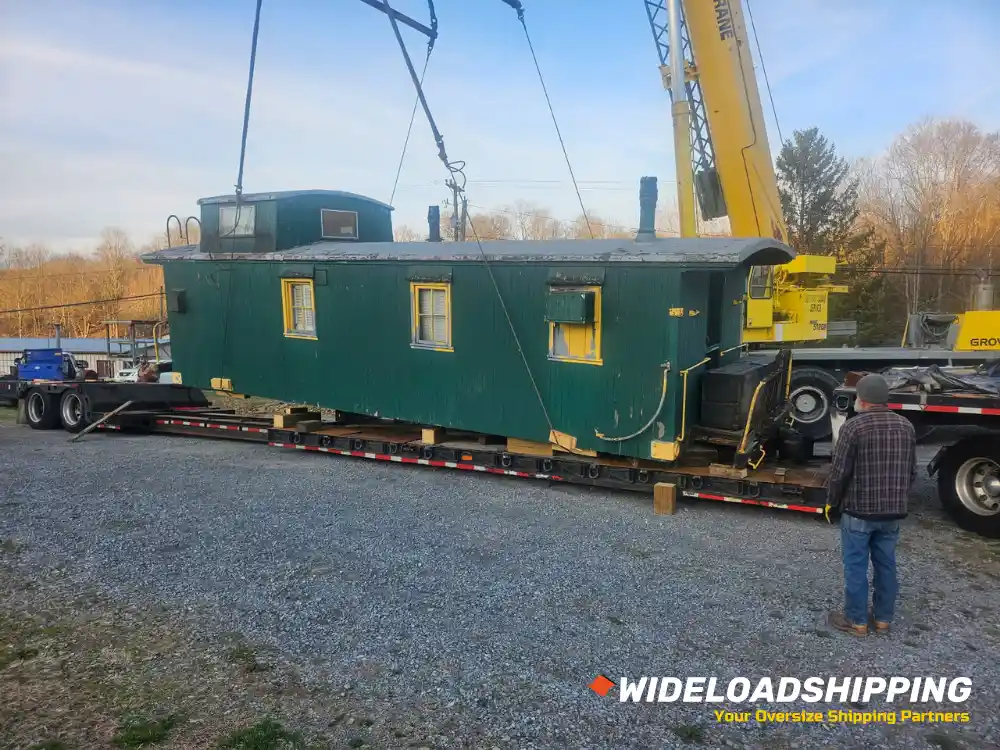

Don't let logistics slow you down, we handle it all from permits to pickup. Speak to a live specialist today.
Hawaii crane demand is heavily influenced by the physical infrastructure needed to keep island communities operating.
Ports, airports, utilities, hotels, hospitals, military facilities, telecommunications systems, and energy projects all require equipment that eventually needs to be lifted into place.
Because many large components first arrive through a harbor, transportation and crane planning are often closely connected.
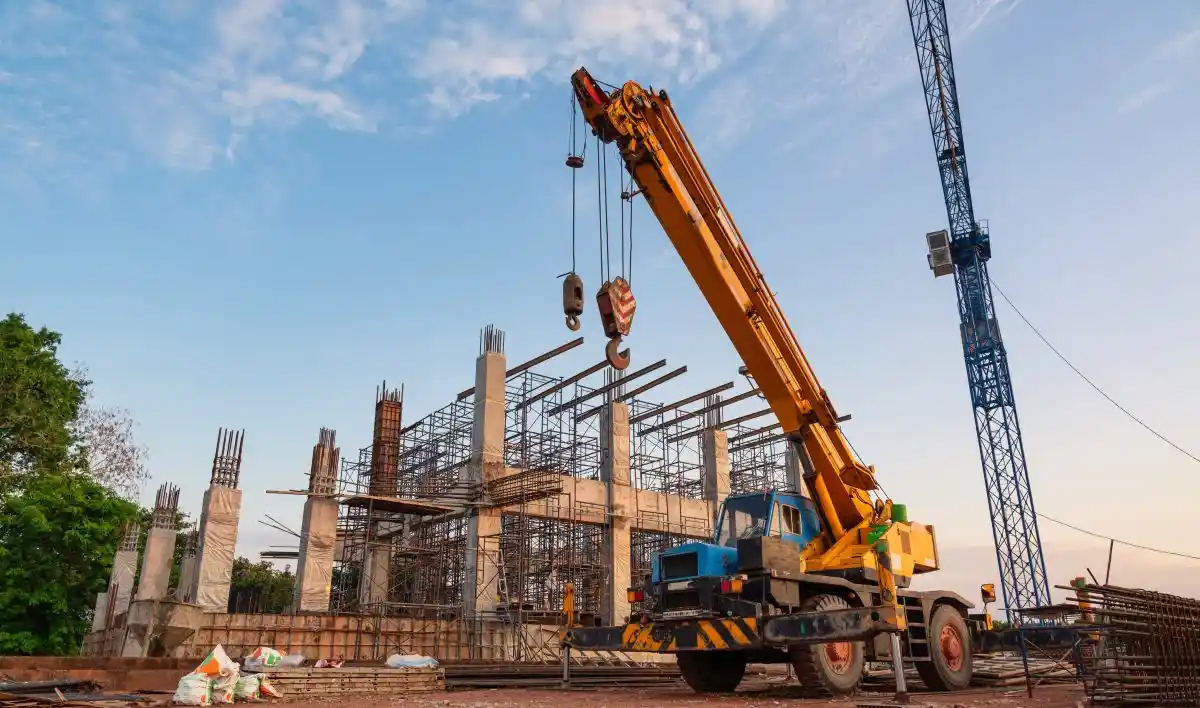
Crane selection in Hawaii starts with what the project requires and what can realistically reach the site.
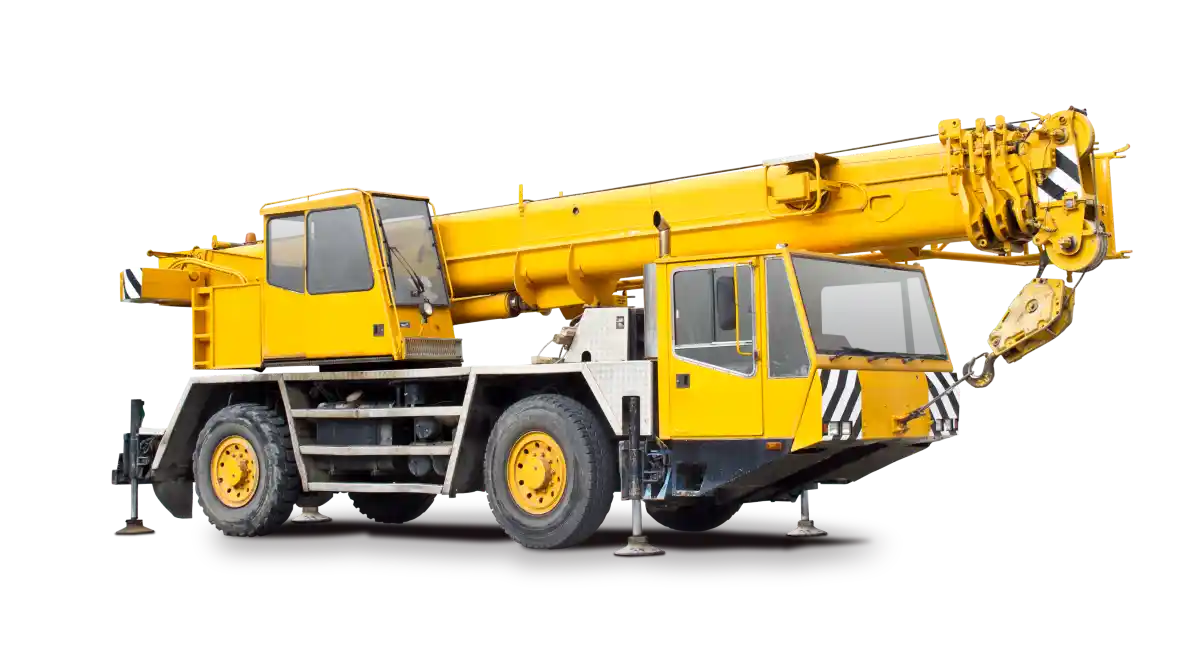
Compact equipment may work inside occupied commercial properties. Rough terrain cranes can support unfinished construction sites. Larger mobile, all terrain, crawler, or tower configurations may be appropriate for major structural, military, port, and infrastructure work.
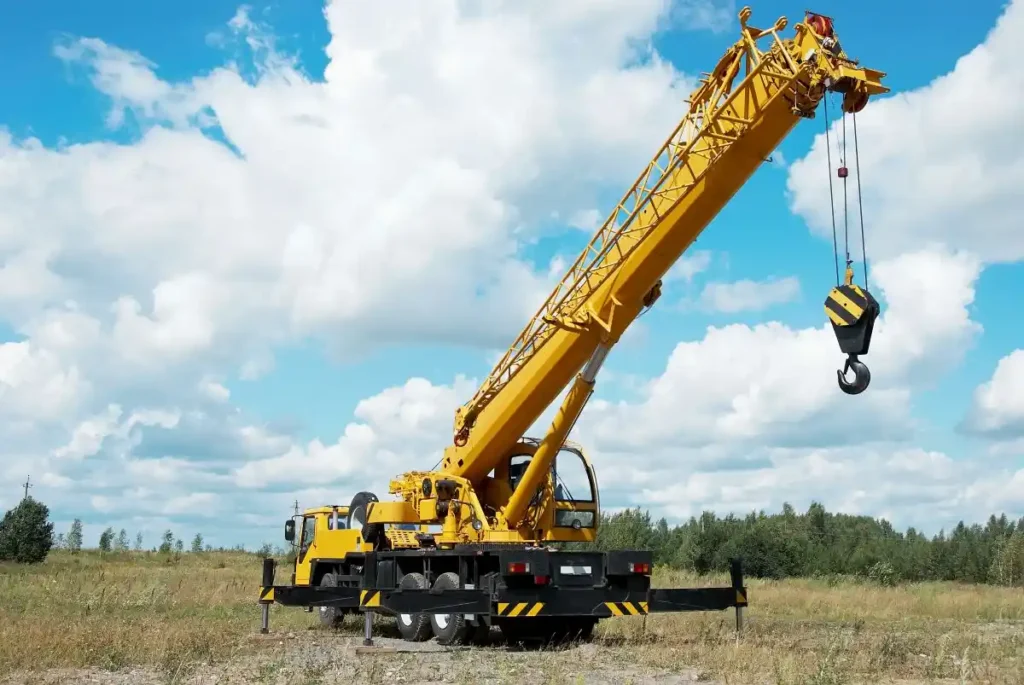
What Is Rigging?
Rigging controls how the load hangs, stays balanced, and moves while suspended from the crane.
That matters when expensive equipment has already traveled across the ocean to reach the project.
Generators, transformers, HVAC systems, marine components, industrial machinery, and prefabricated structures can all have specific lifting points or orientation requirements.
The rigging plan should account for the center of gravity, load geometry, lifting points, sling angles, working radius, clearance, and final placement.
Hawaii projects can benefit from establishing the rigging plan before the equipment leaves the mainland or harbor.
That gives the team more time to confirm the required lifting hardware and reduces the risk of discovering a missing component after the load reaches the job site.
| Crane Type | Typical Rental Duration | Estimated Rental Price |
|---|---|---|
| Boom Truck Crane Rental | 1–7 Days | $1,000–$3,000 per day |
| Mobile Crane Rental | 1–14 Days | $1,200–$4,000 per day |
| Rough Terrain Crane Rental | 3–21 Days | $900–$3,200 per day |
| All Terrain Crane Rental | 1–30 Days | $3,000–$7,500 per day |
| Carry Deck Crane Rental | 1–14 Days | $600–$2,000 per day |
These figures are estimated planning ranges rather than fixed Hawaii rates.
Final pricing can be strongly influenced by island location, crane capacity, operator labor, rigging, trucking, harbor handling, escorts, support equipment, and whether any portion of the crane configuration has to move between islands.

| Crane Type | Typical Rental Duration | Estimated Monthly Rental Price |
|---|---|---|
| Mobile Crane Rental | 1–3 Months | $10,000–$24,000 per month |
| Rough Terrain Crane Rental | 1–4 Months | $8,000–$17,000 per month |
| All Terrain Crane Rental | 2–6 Months | $20,000–$45,000 per month |
| Crawler Crane Rental | 3–12 Months | $22,000–$75,000+ per month |
| Tower Crane Rental | 6–18 Months | $15,000–$38,000+ per month |
Long-term rental can make sense when the crane will remain productive on a large Hawaii project for weeks or months.
That may avoid repeated mobilization, particularly when the crane is supporting a major infrastructure, military, port, commercial, or energy project.
Transportation, assembly, operator requirements, maintenance, rigging, counterweights, and engineering should be evaluated separately from the base equipment rate.
| Hawaii City | Primary Industries Driving Crane Rental Demand |
|---|---|
| Honolulu | Commercial construction, port work, infrastructure |
| Kapolei | Industrial development, logistics, utilities |
| Pearl City | Infrastructure, utilities, commercial construction |
| Hilo | Port activity, utilities, healthcare, infrastructure |
| Kailua-Kona | Hospitality, commercial development, utilities |
| Kahului | Port activity, logistics, construction |
| Lahaina | Reconstruction, hospitality, infrastructure |
| Kaneohe | Institutional construction, utilities |
| Waipahu | Construction, logistics, infrastructure |
| Lihue | Aviation, tourism construction, utilities |
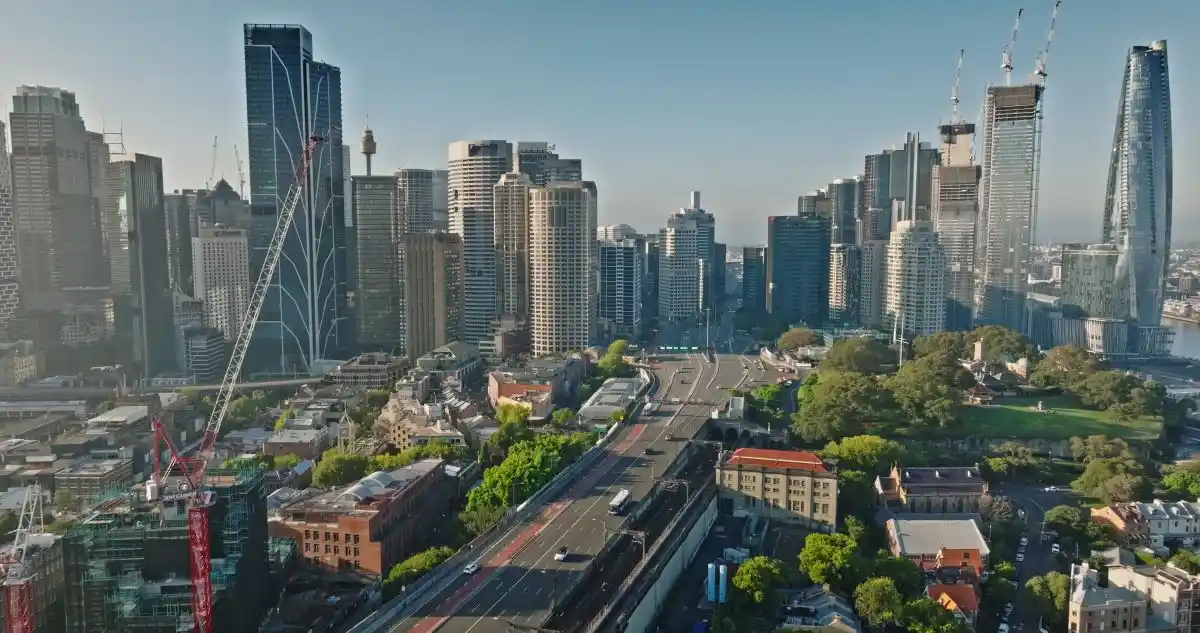
Oahu has the broadest concentration of commercial, industrial, port, and infrastructure work.
Other islands have smaller crane markets but still require significant lifting for hospitality, ports, airports, utilities, energy, healthcare, and reconstruction.
| Lift Application | Common Crane Capacity |
|---|---|
| Hotel HVAC Equipment | 40–120 Ton Cranes |
| Port and Marine Equipment | 100–500+ Ton Cranes |
| Military Facility Construction | 80–400 Ton Cranes |
| Utility Transformers | 80–250 Ton Cranes |
| Structural Steel | 80–300 Ton Cranes |
| Solar and Battery Equipment | 40–200 Ton Cranes |
| Commercial Construction | 60–250 Ton Cranes |
| Shipyard Components | 100–500+ Ton Cranes |
| Telecommunications | 30–120 Ton Cranes |
| Airport Infrastructure | 60–300 Ton Cranes |
Actual crane requirements depend on the working radius, placement height, wind conditions, setup area, boom configuration, and site access.
| Industry | Primary Crane Rental Applications |
|---|---|
| Commercial Construction | Steel, mechanical equipment, building systems |
| Hospitality | Renovations, rooftop equipment, structural work |
| Ports and Marine | Wharf equipment, structures, marine systems |
| Military Infrastructure | Facilities, utilities, waterfront work |
| Renewable Energy | Battery systems, generation equipment |
| Utilities | Transformers, substations, power systems |
| Aviation | Terminal equipment, facility construction |
| Infrastructure | Bridges, roads, public facilities |
| Telecommunications | Towers, antennas, communications systems |
| Healthcare | Mechanical equipment, facility expansion |
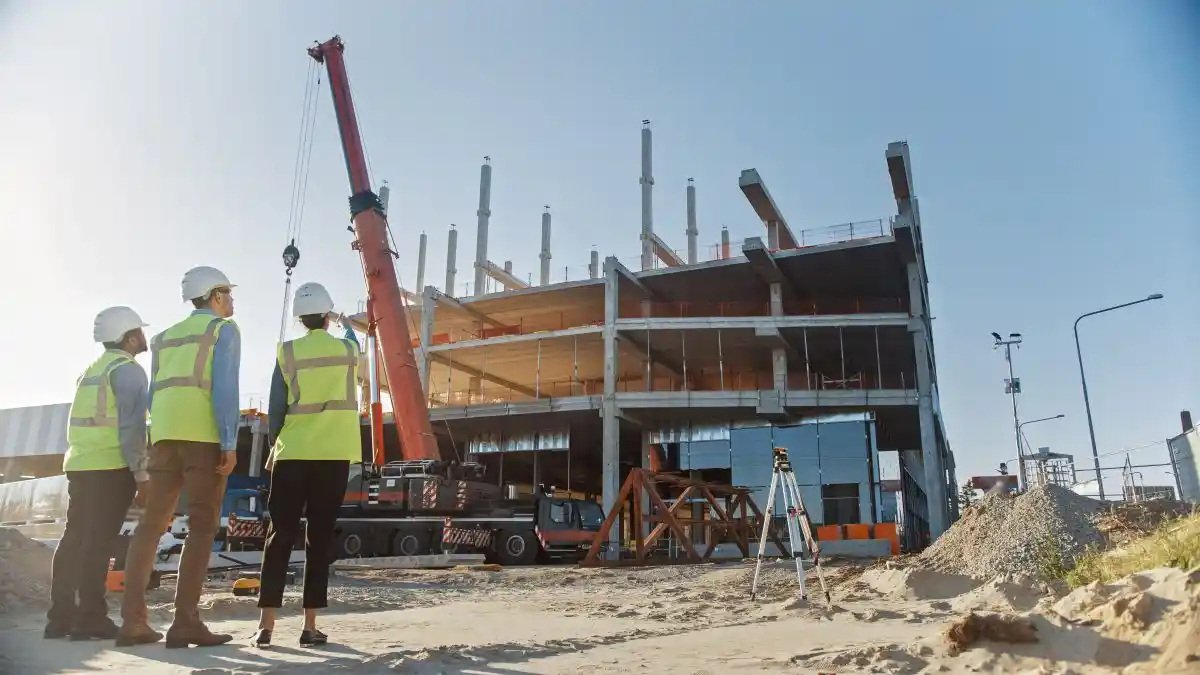
Hawaii’s crane demand is closely connected to the infrastructure required to support island communities.
Construction, hospitality, ports, utilities, airports, telecommunications, healthcare, renewable energy, and public infrastructure all create recurring heavy-lift needs.
| Service Type | Typical Scheduling Time |
|---|---|
| Emergency Crane Rental | Same Day, When Available |
| Standard Mobile Crane Rental | 24–72 Hours |
| Boom Truck Crane Rental | 24–48 Hours |
| Rough Terrain Crane Rental | 2–5 Days |
| All Terrain Crane Rental | 3–10 Days |
| Heavy Lift Crane Rental | 5–14 Days |
| Crawler Crane Rental | 1–3 Weeks |
| Tower Crane Projects | Several Weeks to Months |
| Operated Crane Rental | 24–72 Hours |
| Bare Crane Rental | 2–7 Days |
Hawaii response times depend heavily on where the required crane is located.
Equipment already on the project island may be scheduled relatively quickly when available. Specialized or high-capacity configurations can require substantially more time if additional equipment must be transported.
Pricing depends on capacity, operator requirements, island location, duration, rigging, and mobilization. Inter-island movement can increase the total project cost.
Wide Load Shipping can coordinate mobile, rough terrain, all terrain, carry deck, boom truck, crawler, tower, and other cranes depending on project requirements.
Yes. Operated crane rental can be coordinated based on equipment and operator availability.
Yes. Wharf work, marine equipment, cargo infrastructure, structural components, and waterfront construction can require crane support.
Yes. Qualifying facility, utility, structural, and infrastructure projects can require crane support.
Yes. Crane service may be coordinated on Maui, Hawaii Island, Kauai, and other locations depending on equipment availability and project requirements.
Yes. Heavy equipment transport and port movement can be planned around the crane schedule.
Provide the island, project location, load dimensions and weight, setup area, placement point, working radius, lift date, access conditions, and known rigging requirements.
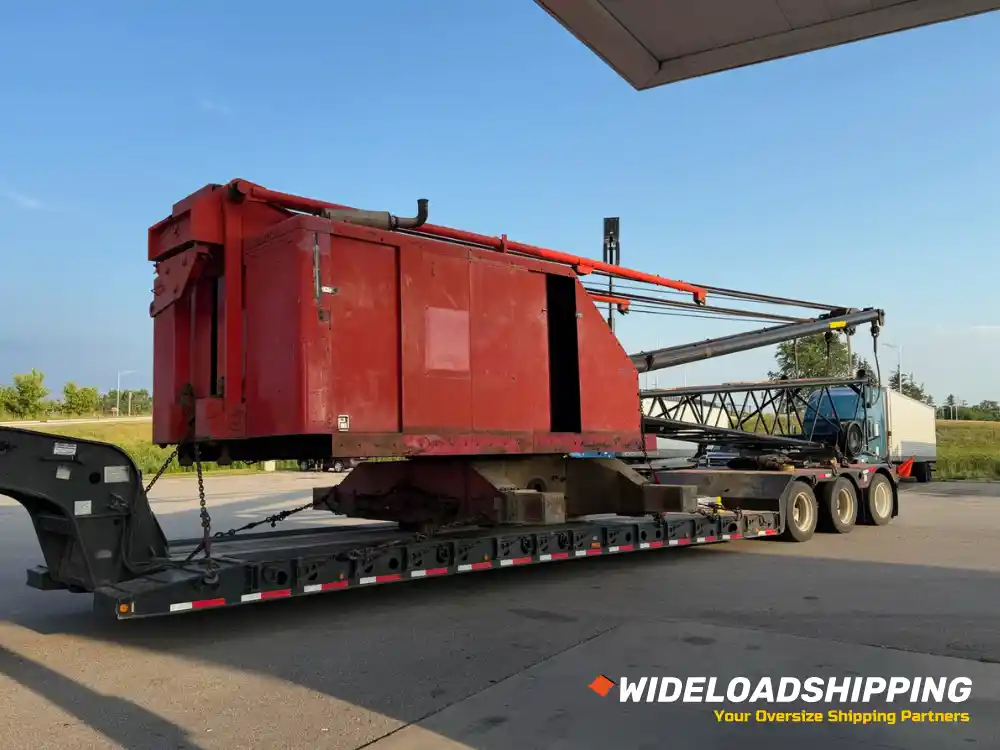
Hawaii lifts can involve several transportation steps before the crane ever touches the load.
The machinery may be arriving by ocean freight. Crane components may need to move separately. The work site may only have enough room to receive the equipment during a short scheduled window.
Wide Load Shipping can help connect those logistics.
By coordinating heavy transport, port movement, crane requirements, and rigging around one project schedule, we help reduce the risk of expensive equipment waiting for another part of the operation to arrive.
Call (877) 765-3574 to coordinate your Hawaii crane rental.