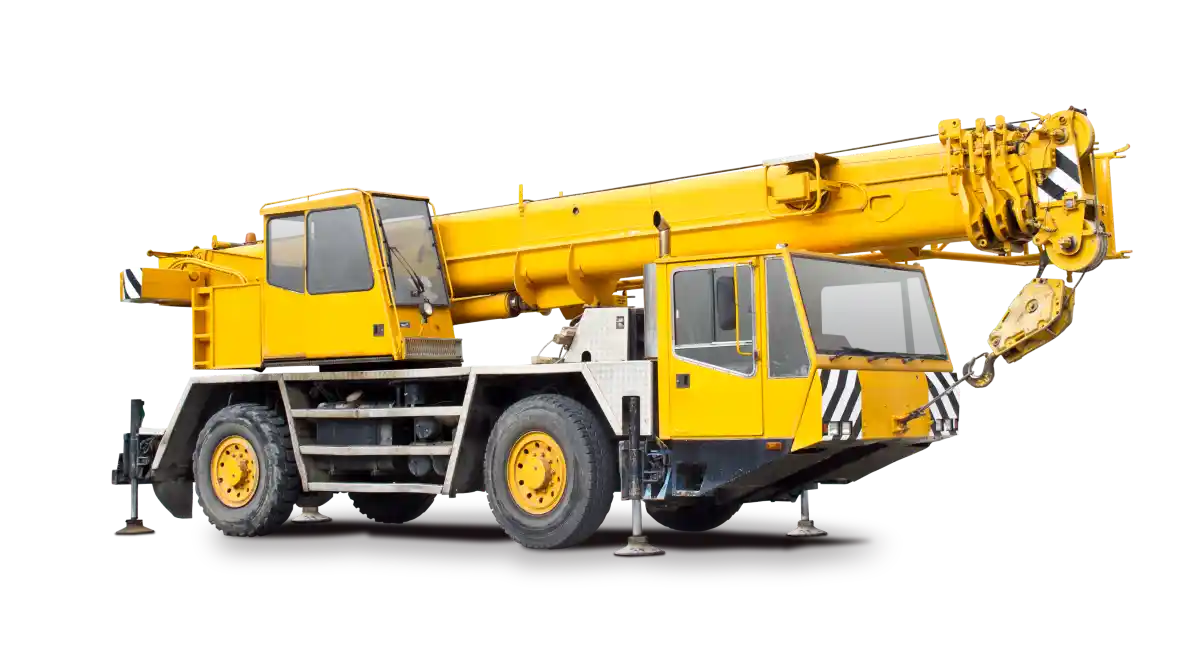
Wisconsin crane rental planned around your lift, site access, and schedule.
A machine replacement inside a Wisconsin manufacturing plant is very different from setting steel on a new construction site.
One may have to happen between production shifts. Another might depend on concrete work being finished before the crane arrives. A food-processing facility could have a scheduled maintenance window that leaves little room for delays, while a paper mill may need heavy machinery positioned deep inside an established industrial property.
The crane cannot simply show up and wait for everything else to fall into place.
Wide Load Shipping coordinates crane rental in Wisconsin around the sequence of the work. The equipment being lifted, its arrival time, the available setup area, rigging, working radius, and installation point can all be considered before mobilization.
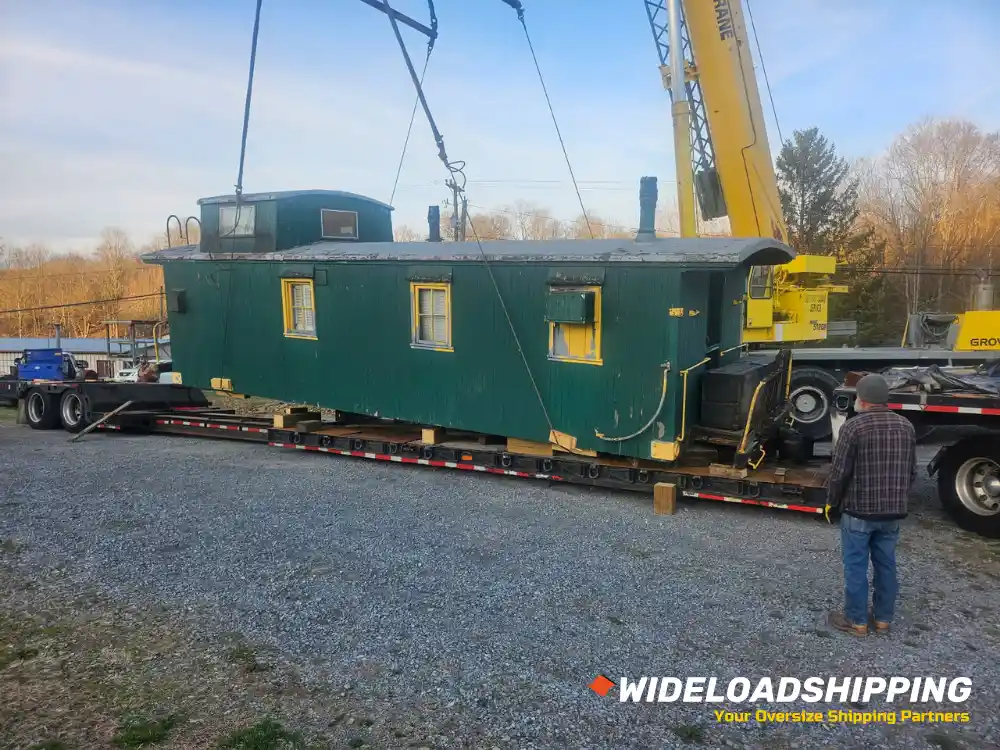
When machinery is arriving on a specialized trailer, we can also coordinate the transport around the lift so your site is not stuck managing two disconnected schedules.
Call (877) 765-3574 to coordinate your Wisconsin crane rental.

Don't let logistics slow you down, we handle it all from permits to pickup. Speak to a live specialist today.
Wisconsin’s industrial base creates crane work that is often tied to operating facilities rather than open greenfield sites.
Manufacturers may need presses, production lines, machining equipment, or structural systems replaced without disrupting more production than necessary. Food and dairy facilities require tanks, refrigeration equipment, processing systems, and facility upgrades. Paper and packaging operations can involve large machinery that has to be removed and replaced within an existing plant layout.
That puts scheduling and access at the center of many Wisconsin crane rental projects.
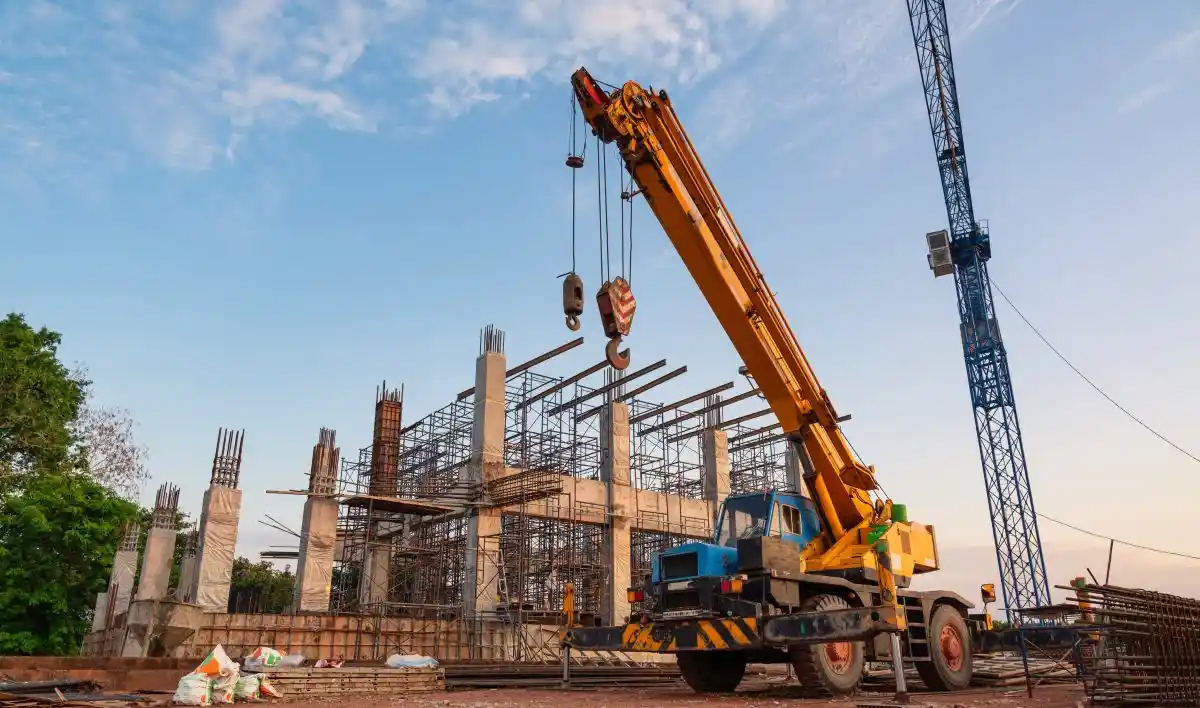
Wisconsin projects can require everything from compact plant equipment to cranes capable of handling major industrial picks.
Inside a manufacturing facility, the limiting factor may be maneuvering room. A construction site may need equipment suited for unfinished ground. Utility and infrastructure projects can require longer reaches, while large process equipment may need substantially more capacity.
The crane should fit the lift path, not just the load weight.
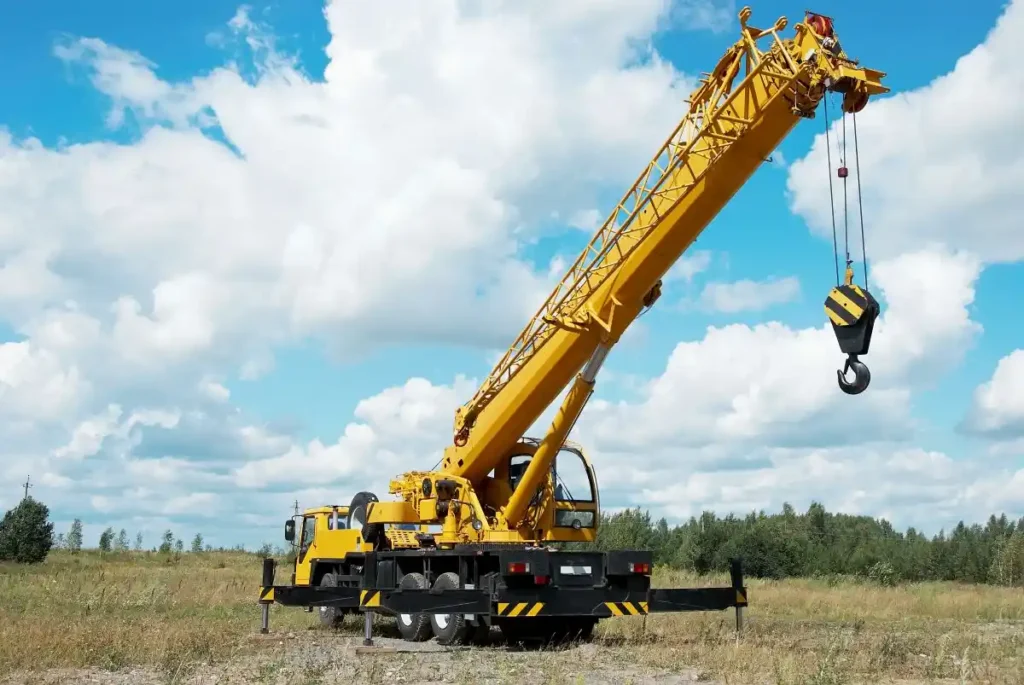
What Is Rigging?
Rigging is what allows a crane to handle equipment that was not designed like a perfectly balanced weight.
Industrial machinery can be heavier on the motor end. Stainless processing equipment may have defined lifting points that cannot be moved. Large tanks can be stable while sitting on a trailer but behave very differently once suspended.
The rigging arrangement has to control those characteristics while keeping the load positioned correctly for installation.
Rigging becomes especially important when a Wisconsin plant is trying to complete equipment replacement during a scheduled shutdown.
The load has to come off the trailer in the correct orientation and reach its installation point without unnecessary handling.
Planning that sequence ahead of time helps make better use of the crane window and reduces the chance of losing valuable production time to repositioning.
| Crane Type | Typical Rental Duration | Estimated Rental Price |
|---|---|---|
| Boom Truck Crane Rental | 1–7 Days | 850–2,700 per day |
| Mobile Crane Rental | 1–14 Days | 1,100–3,800 per day |
| Rough Terrain Crane Rental | 3–21 Days | 800–3,000 per day |
| All Terrain Crane Rental | 1–30 Days | 2,700–7,000 per day |
| Carry Deck Crane Rental | 1–14 Days | 500–1,900 per day |
These are estimated planning ranges for Wisconsin crane rental.
The equipment rate is only one part of the budget. Operator time, rigging, crane mobilization, counterweights, permits, support equipment, assembly, and site preparation can all affect the final price.
Plant work can also involve additional time for access procedures and setup before the crane is ready to make the first pick.

| Crane Type | Typical Rental Duration | Estimated Monthly Rental Price |
|---|---|---|
| Mobile Crane Rental | 1–3 Months | 10,000–22,000 per month |
| Rough Terrain Crane Rental | 1–4 Months | 8,000–16,000 per month |
| All Terrain Crane Rental | 2–6 Months | 19,000–43,000 per month |
| Crawler Crane Rental | 3–12 Months | 22,000–72,000+ per month |
| Tower Crane Rental | 6–18 Months | 15,000–37,000+ per month |
Long-term crane rental can support Wisconsin plant expansions, industrial construction, utility work, infrastructure, and extended commercial projects.
A monthly rate should not be evaluated separately from the rest of the crane plan.
Operator requirements, transportation, assembly, counterweights, maintenance, inspections, engineering, permitting, and rigging can all influence the total project cost. For ongoing industrial work, keeping equipment committed to the site can also reduce repeated mobilization.
| Wisconsin City | Primary Industries Driving Crane Rental Demand |
|---|---|
| Milwaukee | Manufacturing, construction, utilities, industrial facilities |
| Green Bay | Paper, food processing, manufacturing, logistics |
| Madison | Construction, healthcare, utilities, technology facilities |
| Appleton | Paper, manufacturing, packaging, industrial construction |
| Kenosha | Manufacturing, logistics, warehousing, construction |
| Racine | Manufacturing, industrial facilities, logistics |
| Eau Claire | Manufacturing, healthcare, construction, utilities |
| Oshkosh | Manufacturing, industrial construction, logistics |
| Wausau | Manufacturing, paper-related industry, construction |
| La Crosse | Manufacturing, food processing, healthcare, utilities |
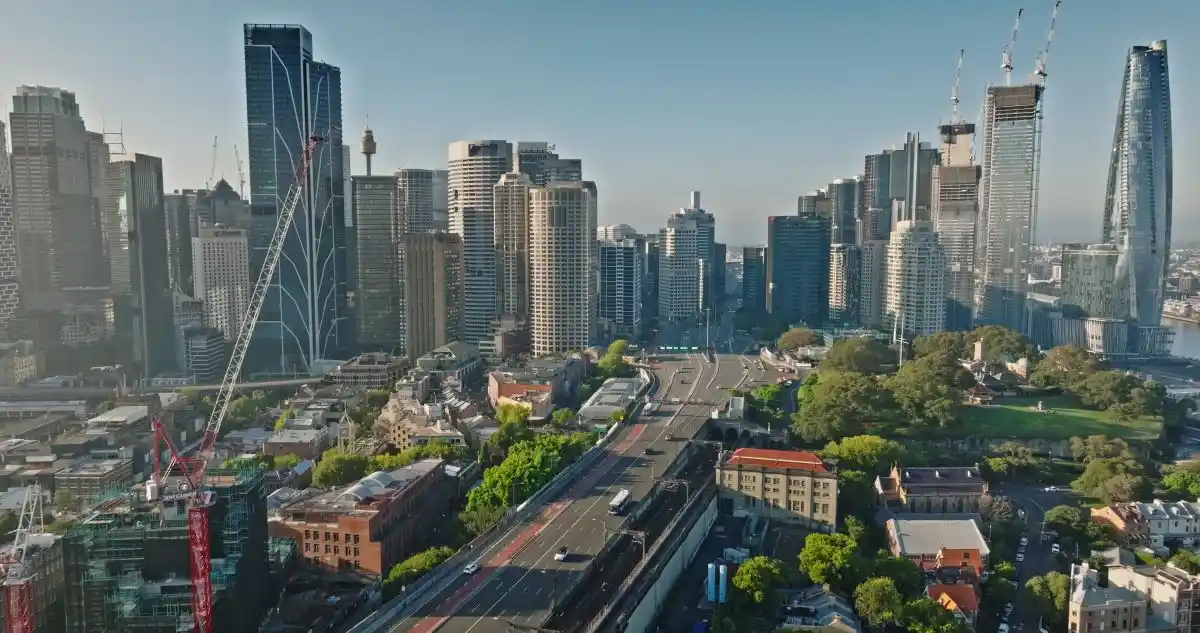
Wisconsin crane demand follows the state’s industrial corridors rather than one single metro.
Milwaukee and southeastern Wisconsin create substantial manufacturing, logistics, utility, and construction work. Green Bay, Appleton, and the Fox Valley add paper, packaging, food processing, and production facilities.
Madison contributes commercial, institutional, utility, and technology-related projects, while regional manufacturing centers create equipment installation and plant maintenance work throughout the state.
| Lift Application | Common Crane Capacity |
|---|---|
| Manufacturing Machinery | 60–300 Ton Cranes |
| Paper Mill Equipment | 80–400 Ton Cranes |
| Food Processing Machinery | 40–200 Ton Cranes |
| Dairy Processing Equipment | 40–200 Ton Cranes |
| Utility Transformers | 80–250 Ton Cranes |
| Structural Steel | 80–300 Ton Cranes |
| Industrial Tanks | 60–300 Ton Cranes |
| Bridge and Infrastructure Work | 150–500+ Ton Cranes |
| Water Treatment Equipment | 60–250 Ton Cranes |
| Commercial HVAC | 40–120 Ton Cranes |
These ranges provide an initial reference for Wisconsin crane rental planning.
The required capacity may increase when a machine has to be reached across an active plant area, when the crane cannot set up close to a building, or when structural and utility restrictions change the available load path.
| Industry | Primary Crane Rental Applications |
|---|---|
| Advanced Manufacturing | Machinery installation, plant expansion |
| Food Processing | Tanks, production systems, refrigeration |
| Dairy Processing | Processing equipment, tanks, facility systems |
| Paper and Pulp | Machinery, process equipment, maintenance |
| Packaging | Production lines, printing equipment, facility upgrades |
| Utilities | Transformers, substations, electrical equipment |
| Metals and Fabrication | Machinery, structural components |
| Commercial Construction | Structural steel, rooftop equipment |
| Water Infrastructure | Pumps, tanks, treatment equipment |
| Transportation Infrastructure | Bridges, structural components, public works |
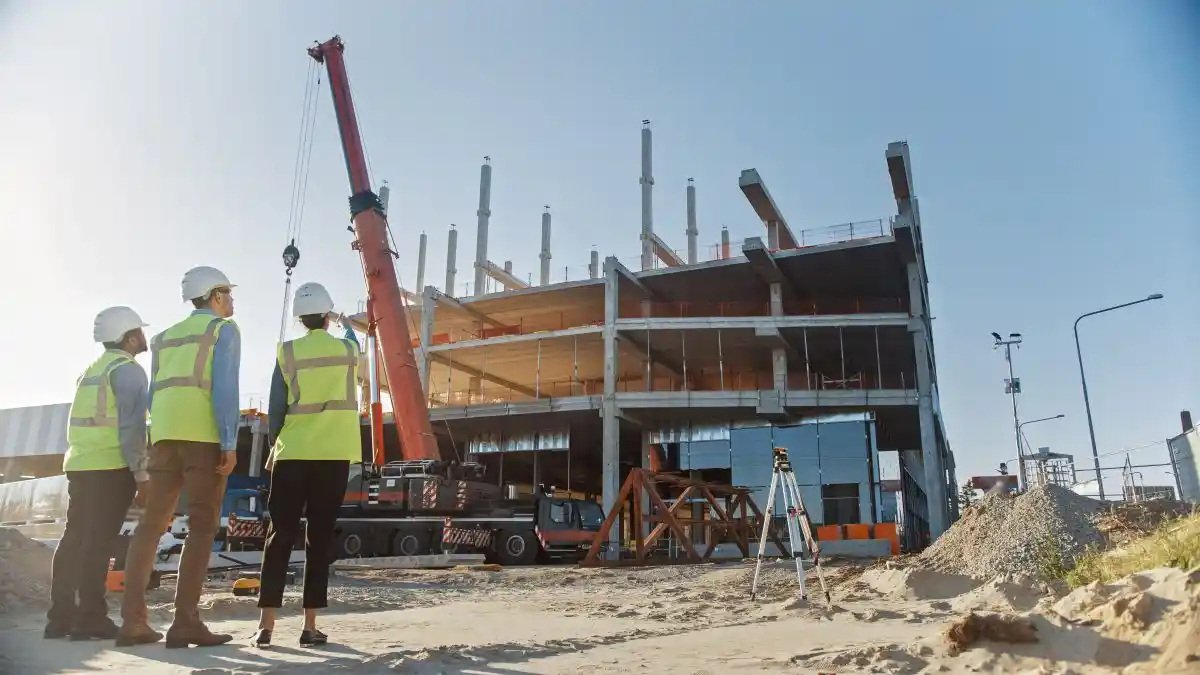
Wisconsin crane rental demand is closely connected to industries that periodically need major equipment replaced without rebuilding the entire facility around it.
Manufacturing plants install new production machinery. Food and dairy facilities replace processing systems. Paper operations handle large mechanical equipment, while utilities and infrastructure create recurring transformer, bridge, and public-system lifts.
That combination keeps crane work tied closely to both expansion and maintenance.
| Service Type | Typical Scheduling Time |
|---|---|
| Emergency Crane Rental | Same Day, When Available |
| Standard Mobile Crane Rental | 24–72 Hours |
| Boom Truck Crane Rental | 24–48 Hours |
| Rough Terrain Crane Rental | 2–5 Days |
| All Terrain Crane Rental | 3–7 Days |
| Heavy Lift Crane Rental | 3–10 Days |
| Crawler Crane Rental | 1–2 Weeks |
| Tower Crane Projects | Several Weeks to Months |
| Operated Crane Rental | 24–72 Hours |
| Bare Crane Rental | 2–7 Days |
Wisconsin crane scheduling should be tied to the point when the site will actually be ready to lift.
A production facility may have a maintenance window that begins Saturday morning. Machinery could be arriving Friday afternoon. The crane and rigging need to be ready when that sequence starts, not after the installation crew is already waiting.
High-capacity projects also require more planning because counterweights, boom sections, and support equipment can arrive separately from the crane itself.
Wisconsin crane rental pricing depends on crane capacity, working radius, rental duration, operator requirements, rigging, transportation, setup time, support equipment, and project location.
Yes. Production machinery, presses, process equipment, structural systems, plant expansions, maintenance work, and equipment replacements can require crane support.
Yes. Crane rental can support tanks, refrigeration systems, production machinery, processing equipment, silos, structural components, and facility upgrades.
Yes. Paper and pulp facilities can require cranes for machinery replacement, rolls, process equipment, tanks, structural systems, maintenance work, and plant improvements.
Yes. Wide Load Shipping can coordinate manufacturing machinery, processing equipment, transformers, tanks, structural components, and other oversized loads around the planned crane schedule.
Yes. Crane mobilization, rigging, heavy transport, and equipment placement can be coordinated around planned maintenance and production shutdown windows.
When the site and lift plan allow it, yes. Direct placement can reduce rehandling and help move machinery from transport into its installation position more efficiently.
Provide the load weight and dimensions, exact project location, crane setup area, working radius, placement point, requested lift date, site access conditions, and known rigging requirements.
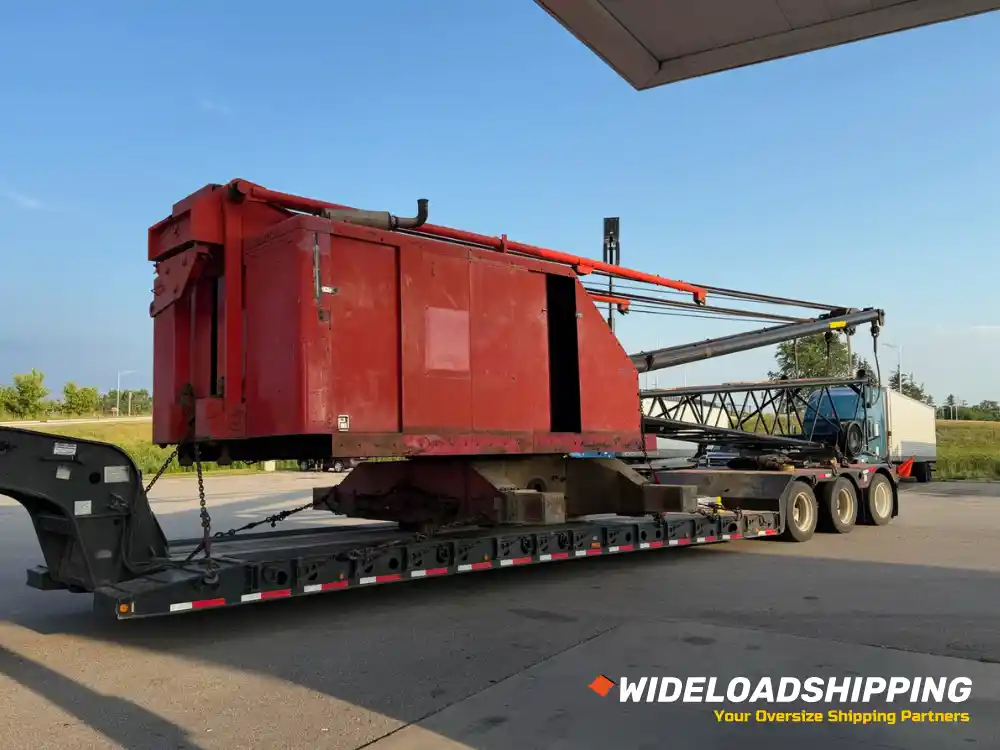
Wisconsin industrial projects often have a deadline that is measured in production hours rather than calendar days.
When a line is down for machinery replacement, the crane is not simply another rental on the job. It is part of the sequence that determines when the facility can get back to work.
Wide Load Shipping can coordinate the heavy transport bringing the equipment to the facility with the crane, rigging, and support equipment needed to put it in place.
That helps Wisconsin manufacturers, processors, contractors, facility managers, and project teams reduce unnecessary handoffs and keep the lift tied to the schedule that matters.
Call (877) 765-3574 to coordinate your Wisconsin crane rental.