
Vermont crane rental can involve narrow access roads, limited staging space, changing elevations, and job sites far from major equipment hubs. Wide Load Shipping helps plan the crane and rigging around the conditions your crew will actually face.
A Vermont lift can become complicated before the crane ever reaches the property.
The project may be located off a two-lane road with limited turning room. A utility job may sit on uneven terrain. A manufacturing facility can have one practical setup position between the building and an active loading area. Even a straightforward rooftop or structural lift can require careful planning when there is little space for the crane and support equipment.
Wide Load Shipping coordinates crane rental in Vermont around those site-specific conditions.
We help connect crane capacity with access, setup area, working radius, rigging, load transportation, and the final placement point. If machinery or another oversized component needs to travel to the site first, the delivery can be timed around the crane rather than left sitting until the lifting equipment is ready.
Call (877) 765-3574 to coordinate your Vermont crane rental.
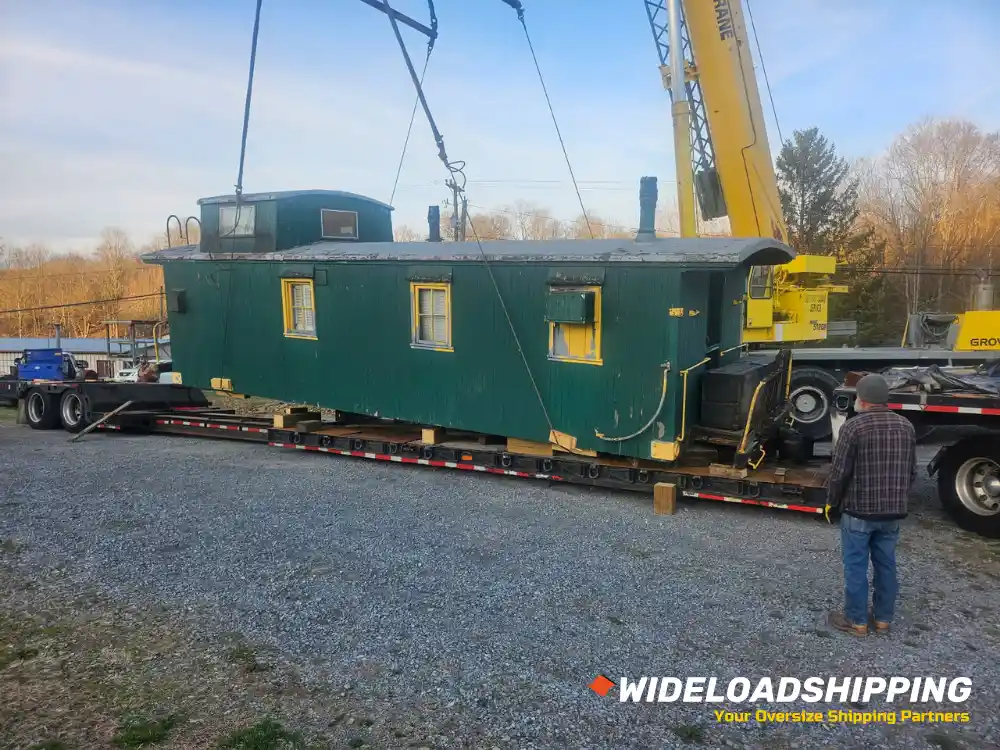

Don't let logistics slow you down, we handle it all from permits to pickup. Speak to a live specialist today.
Vermont crane rental demand often comes from smaller project sites where equipment still has to make a substantial pick.
Utility projects can require transformers and electrical equipment in rural areas. Manufacturing and food-processing facilities need machinery replaced or installed inside active properties. Construction projects may involve structural steel, rooftop HVAC, prefabricated components, or generators where the setup area is far more limited than the load itself.
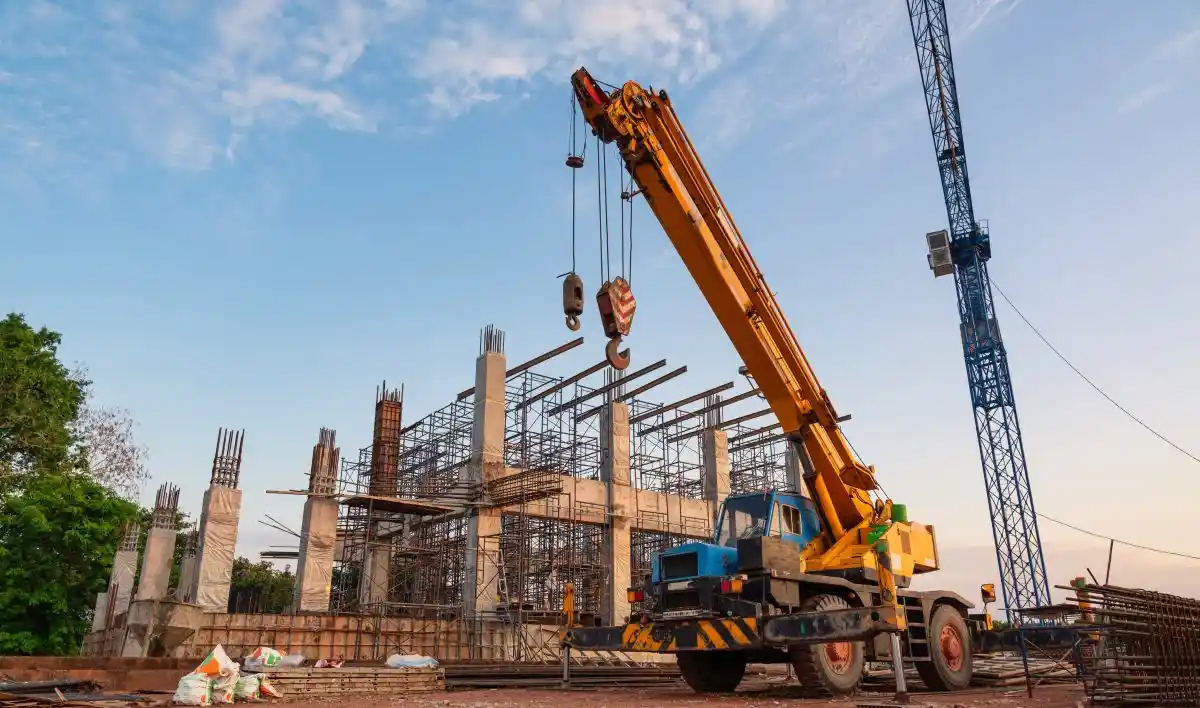
Vermont projects can reward mobility as much as raw lifting capacity.
A boom truck may work for a routine commercial pick. Carry deck and compact cranes can support machinery moves inside facilities. Rough terrain equipment can be useful where paved setup areas are not available, while all terrain cranes can handle larger lifts that combine highway travel with more demanding site access.
For major structural, infrastructure, or industrial work, higher-capacity mobile and crawler configurations may be required.
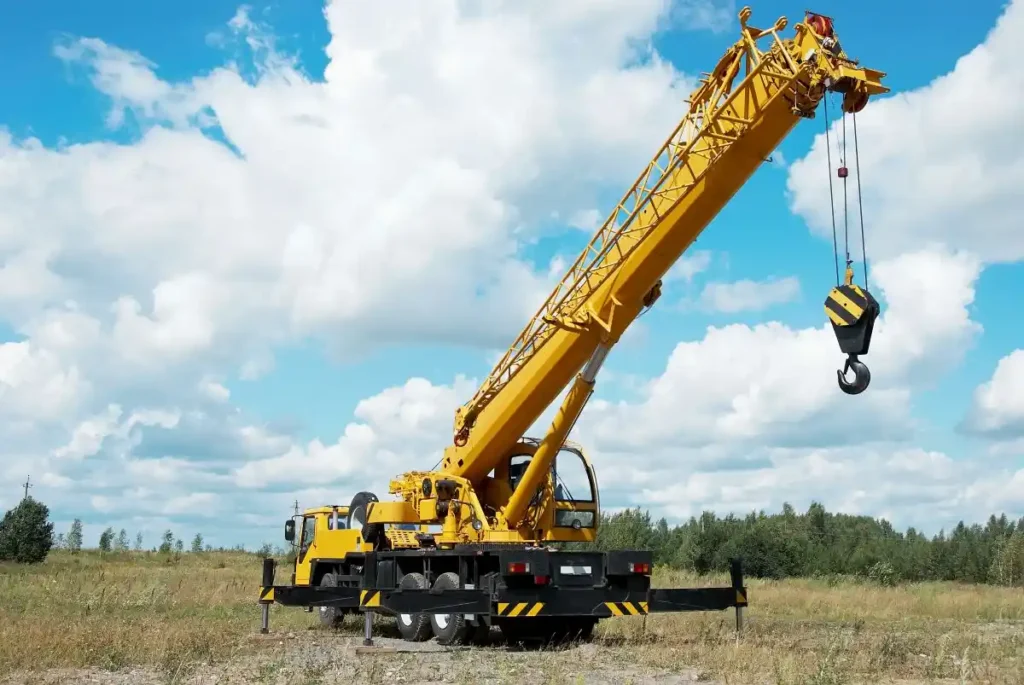
What Is Rigging?
Rigging determines how the load behaves once gravity is transferred to the crane.
A processing machine can have a center of gravity well away from its geometric center. A generator may have designated lifting points built into the frame. A long structural assembly can require a spreader beam to prevent the rigging from pulling inward on the load.
Those details decide whether the equipment stays balanced and controllable during the pick.
For Vermont projects with limited access, there may not be much room to correct the load once it reaches the site.
Planning rigging before dispatch helps establish how machinery will sit on the trailer, where the crane needs to pick it, and how the load needs to rotate or travel before reaching its final position.
That preparation can make a tight job site much easier to manage.
| Crane Type | Typical Rental Duration | Estimated Rental Price |
|---|---|---|
| Boom Truck Crane Rental | 1–7 Days | 850–2,600 per day |
| Mobile Crane Rental | 1–14 Days | 1,100–3,700 per day |
| Rough Terrain Crane Rental | 3–21 Days | 750–2,900 per day |
| All Terrain Crane Rental | 1–30 Days | 2,700–6,800 per day |
| Carry Deck Crane Rental | 1–14 Days | 500–1,800 per day |
These are estimated planning ranges for Vermont crane rental.
A project’s location can influence the total as much as the crane class. Rural travel, difficult site access, operator time, counterweights, rigging, permits, support equipment, and setup requirements can all affect the final price.
A short lift can still require a full day of crane commitment when mobilization and site preparation take longer than the pick itself.

| Crane Type | Typical Rental Duration | Estimated Monthly Rental Price |
|---|---|---|
| Mobile Crane Rental | 1–3 Months | 9,500–21,000 per month |
| Rough Terrain Crane Rental | 1–4 Months | 7,500–16,000 per month |
| All Terrain Crane Rental | 2–6 Months | 19,000–42,000 per month |
| Crawler Crane Rental | 3–12 Months | 22,000–72,000+ per month |
| Tower Crane Rental | 6–18 Months | 15,000–37,000+ per month |
Long-term crane rental can support larger Vermont construction, utility, infrastructure, and facility projects where the crane will make repeated picks over several phases.
Monthly pricing should be reviewed together with operators, transportation, assembly, counterweights, inspections, maintenance, engineering, rigging, and permitting.
Keeping the crane committed to the project can sometimes reduce repeated mobilization when the work site is outside a major equipment market.
| Vermont City | Primary Industries Driving Crane Rental Demand |
|---|---|
| Burlington | Construction, healthcare, institutional projects, utilities |
| South Burlington | Commercial construction, manufacturing, logistics |
| Rutland | Manufacturing, construction, utilities |
| Barre | Manufacturing, stone-related industrial work, construction |
| Montpelier | Infrastructure, utilities, public construction |
| St. Albans | Food processing, manufacturing, logistics |
| Essex Junction | Manufacturing, technology facilities, construction |
| Colchester | Commercial construction, utilities, healthcare |
| Brattleboro | Manufacturing, food processing, construction |
| Bennington | Manufacturing, construction, institutional projects |
Vermont crane demand is spread across several smaller markets rather than one dominant industrial center.
Burlington and surrounding communities support construction, healthcare, institutional, utility, and manufacturing work. Rutland and Barre bring more industrial and infrastructure activity, while St. Albans and southern Vermont add processing, manufacturing, commercial construction, and regional facility projects.
For larger crane classes, the distance between those markets can become part of the scheduling plan.
| Lift Application | Common Crane Capacity |
|---|---|
| Manufacturing Machinery | 40–250 Ton Cranes |
| Utility Transformers | 80–250 Ton Cranes |
| Commercial HVAC | 40–120 Ton Cranes |
| Food Processing Equipment | 40–200 Ton Cranes |
| Structural Steel | 80–300 Ton Cranes |
| Generator Placement | 40–200 Ton Cranes |
| Water Treatment Equipment | 60–250 Ton Cranes |
| Bridge and Infrastructure Work | 150–500+ Ton Cranes |
| Institutional Mechanical Equipment | 40–200 Ton Cranes |
| Renewable Energy Equipment | 60–300 Ton Cranes |
These ranges help establish the general size of crane that may enter the planning discussion.
The final equipment choice depends on where the crane can set up, how far it must reach, the placement height, ground conditions, boom configuration, counterweights, and the route the load must follow while suspended.
| Industry | Primary Crane Rental Applications |
|---|---|
| Utilities | Transformers, substations, electrical equipment |
| Manufacturing | Machinery installation, facility upgrades |
| Food Processing | Production systems, tanks, refrigeration |
| Renewable Energy | Electrical equipment, structural components |
| Commercial Construction | Structural steel, rooftop systems |
| Healthcare | Generators, HVAC equipment, facility expansions |
| Water Infrastructure | Pumps, tanks, treatment equipment |
| Transportation Infrastructure | Bridges, structural components |
| Telecommunications | Towers, equipment, structural systems |
| Agricultural Processing | Storage systems, machinery, processing equipment |
Vermont crane rental demand is often tied to essential facility upgrades rather than massive greenfield developments.
A utility may be replacing a transformer. A processor can be setting new production equipment. A hospital or commercial building may need a generator or rooftop mechanical system. Bridge and water projects add heavier public-infrastructure lifts.
These jobs may vary in scale, but they all depend on having the right crane configuration ready for the specific site.
| Service Type | Typical Scheduling Time |
|---|---|
| Emergency Crane Rental | Same Day, When Available |
| Standard Mobile Crane Rental | 24–72 Hours |
| Boom Truck Crane Rental | 24–48 Hours |
| Rough Terrain Crane Rental | 2–5 Days |
| All Terrain Crane Rental | 3–7 Days |
| Heavy Lift Crane Rental | 3–10 Days |
| Crawler Crane Rental | 1–2 Weeks |
| Tower Crane Projects | Several Weeks to Months |
| Operated Crane Rental | 24–72 Hours |
| Bare Crane Rental | 2–7 Days |
Vermont scheduling can change quickly once the project leaves the larger population centers.
A routine mobile crane may be easier to mobilize near Burlington or another active market. Larger cranes can require more travel, and support loads may need to navigate the same local roads and site entrances as the crane itself.
Winter conditions, rural access, and restricted setup areas can add planning time, particularly when the lift is tied to a utility outage or fixed construction milestone.
Vermont crane rental pricing depends on crane capacity, rental duration, working radius, operator requirements, rigging, transportation, and site access. Rural mobilization and constrained setup areas can also influence the total project cost.
Yes. Transformers, substations, generators, poles, electrical equipment, and other utility components can require crane support.
Yes. Rural mobilization can be coordinated, although crane size, travel distance, road access, and support-load requirements can affect lead time.
Yes. Production machinery, food-processing equipment, tanks, generators, structural components, and plant upgrades can require cranes and rigging.
Yes. Machinery, transformers, generators, processing systems, structural components, and other oversized loads can be coordinated with the crane schedule.
Yes. Bridge components, utility structures, water equipment, structural assemblies, and other heavy infrastructure loads can require high-capacity crane support.
When the setup area and lift plan allow it, yes. Coordinating the trailer and crane can reduce extra handling and help when a Vermont site has very little room for temporary staging.
Provide the load weight and dimensions, exact project location, available crane setup area, working radius, placement point, lift date, site-access conditions, and known rigging requirements. Details about narrow roads or restricted entrances are especially useful.
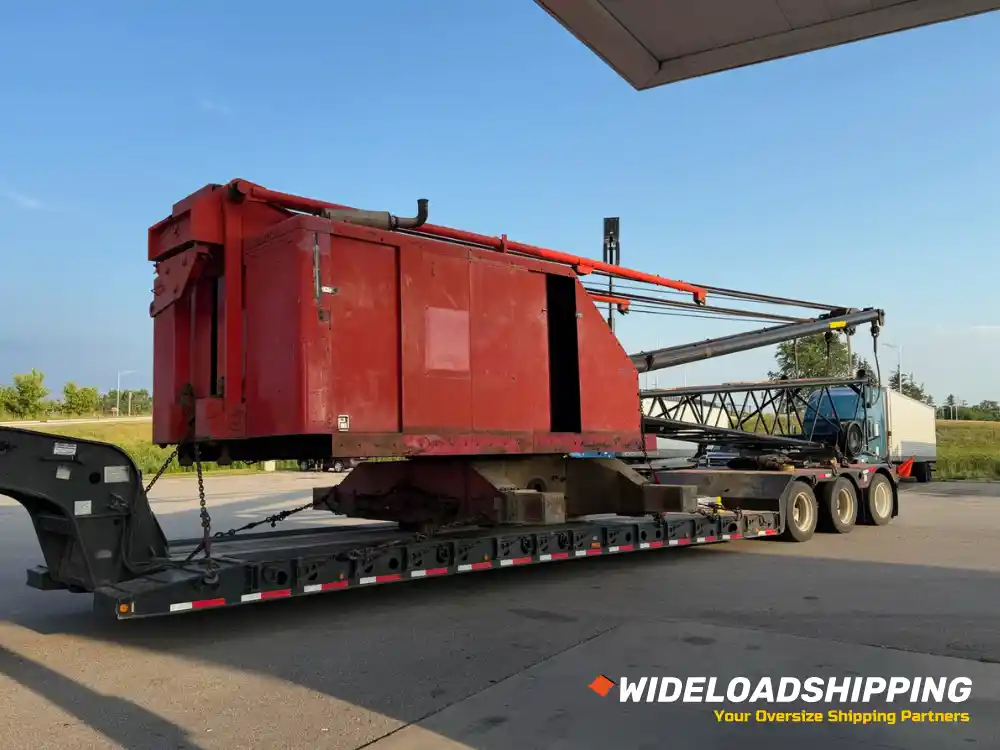
Vermont heavy lifts can become difficult because of the space around the job, not because the load is unusually large.
A truck may have one workable approach to the property. The crane may have only one area where it can safely set up. Utility lines, buildings, terrain, or winter conditions can further narrow the options.
Wide Load Shipping helps connect those constraints before the equipment starts moving.
We can coordinate the heavy transport with the crane, rigging, and support equipment so the load reaches the site with a clear plan for how it will be handled next.
For Vermont contractors, facility teams, utilities, equipment owners, and project managers, that means fewer surprises between pickup and final placement.
Call (877) 765-3574 to coordinate your Vermont crane rental.
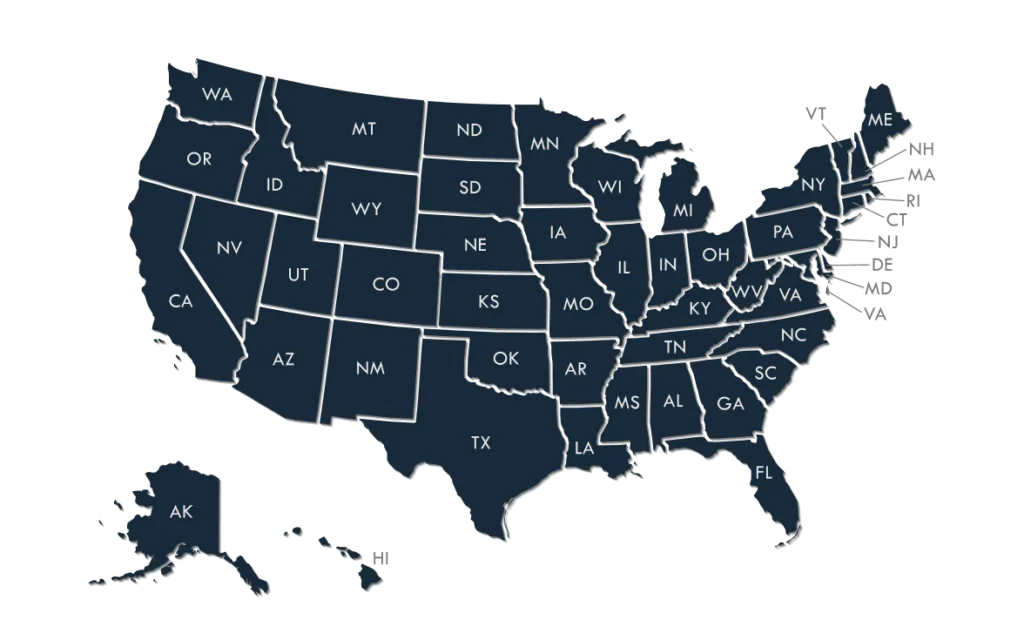

Our service area pages are still being added, but our coverage is already nationwide. Contact us at (877) 792-5056