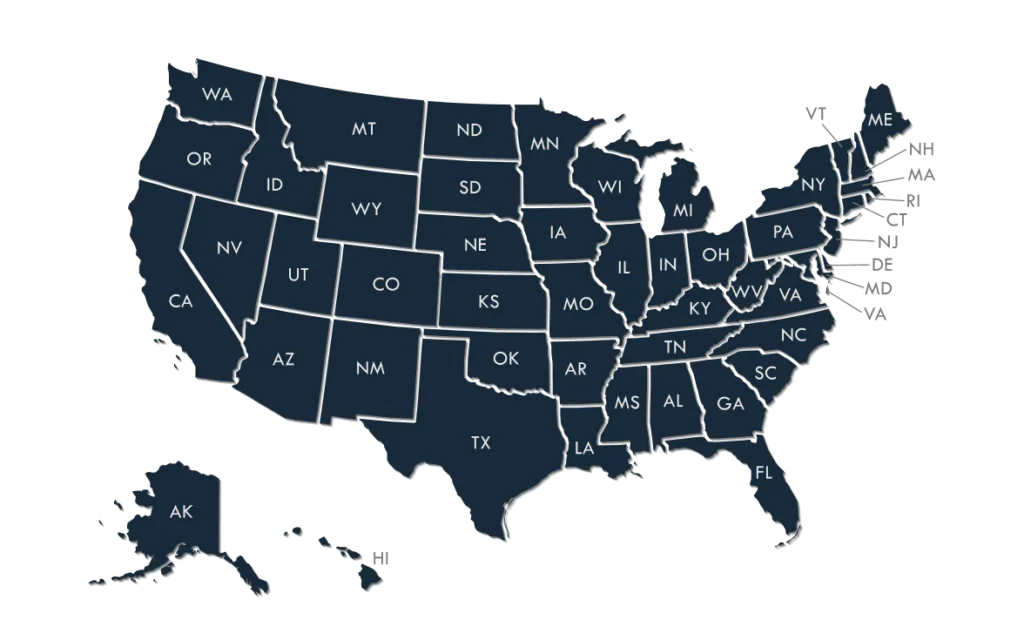
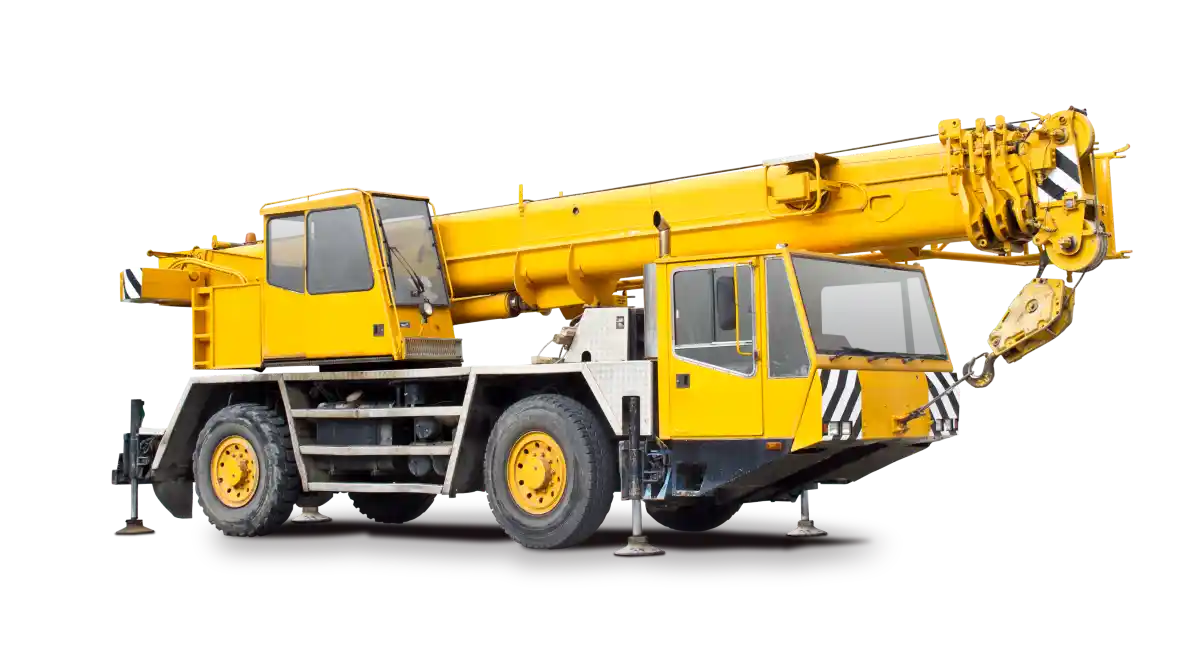
Providing dependable crane rental and rigging services throughout Texas for oilfield, industrial, commercial, and heavy construction projects statewide.
Texas lift projects often run on tight timelines. A refinery shutdown, wind project, plant upgrade, or infrastructure job can lose valuable time if the crane arrives late, the site is not ready, or the transport plan falls apart. Wide Load Shipping helps project teams avoid those setbacks by coordinating crane rentals around the actual needs of the job.
The scale of Texas also changes the planning. A crane transport may need to travel hundreds of miles before it reaches the site. Remote access roads, active industrial facilities, and oversized load regulations can all affect how the equipment is moved and staged. We help make sure those details are addressed before mobilization begins.
Wide Load Shipping has extensive experience moving heavy and oversized equipment across Texas and throughout the country. That logistics background gives us a practical advantage when a crane rental also involves permits, route planning, support loads, or complex site access. You’ll work with a dedicated coordinator who keeps the process organized and communication clear.
Call Wide Load Shipping today to discuss your Texas crane rental project and get a plan in place before lift day.
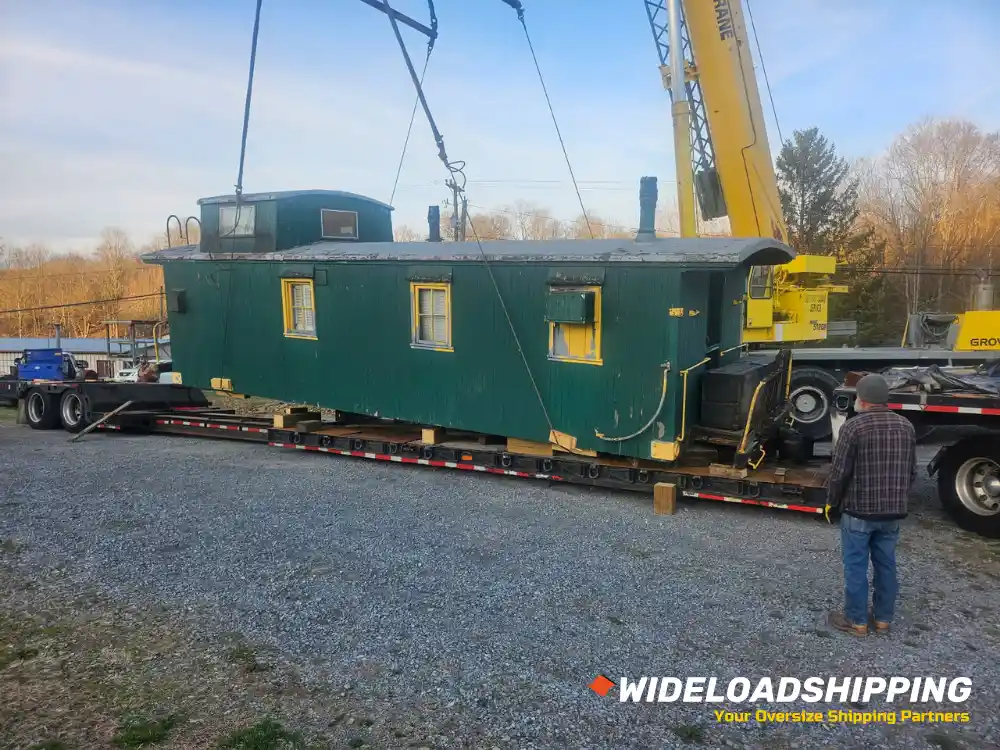

Don't let logistics slow you down, we handle it all from permits to pickup. Speak to a live specialist today.
Texas continues to experience strong crane rental demand driven by energy production, industrial expansion, transportation infrastructure upgrades, and large-scale manufacturing projects. Crane operations throughout Texas frequently support refinery construction, pipeline development, logistics expansion, and renewable energy growth across the state.
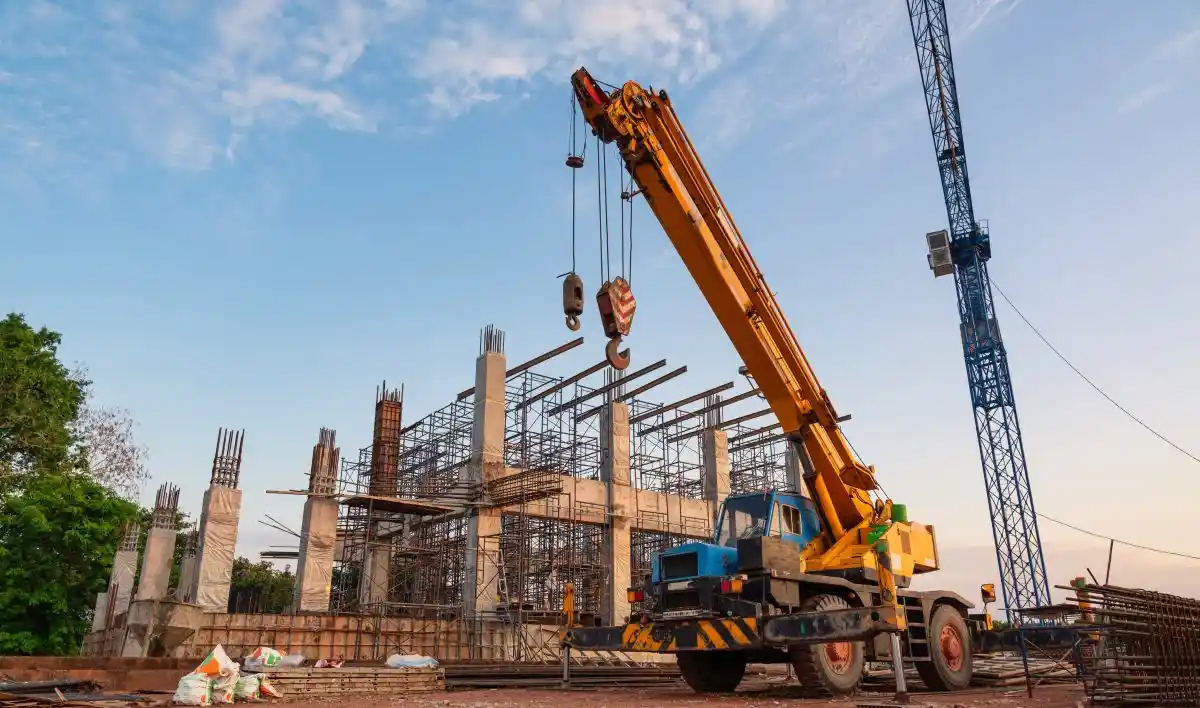
Texas projects require crane rental equipment capable of supporting oilfield operations, industrial shutdowns, infrastructure development, and high-capacity lifting projects across large geographic regions. Wide Load Shipping provides crane rental solutions throughout Texas for both routine commercial lifts and specialized heavy haul applications.
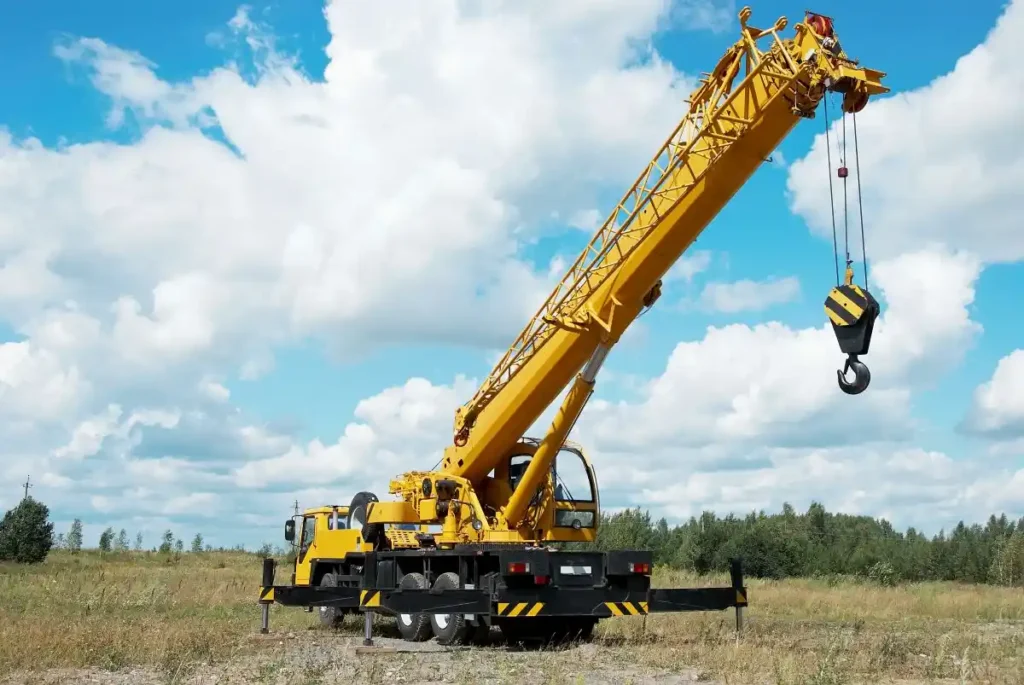
What Is Rigging?
Rigging is the process of securing, stabilizing, lifting, and moving heavy equipment or materials using cranes, slings, hoists, chains, and specialized lifting hardware. In Texas crane rental projects, crane rigging is essential for helping maintain load balance, lift safety, and controlled movement during industrial, energy, infrastructure, and construction operations.
Proper crane rigging requires selecting lifting equipment based on load weight, dimensions, center of gravity, lift points, and overall project conditions. Experienced rigging crews help support safe lifting operations while reducing risk on demanding Texas job sites.
Texas rigging services are commonly used for refinery turnarounds, pipeline construction, wind energy projects, steel erection, industrial equipment installation, and oversized machinery lifting throughout the state. Wide Load Shipping helps coordinate crane rigging support for complex industrial and energy-sector projects across Texas.
| Crane Type | Average Rental Duration | Average Rental Price |
|---|---|---|
| Boom Truck Crane Rental | 1–7 Days | $1,200–$4,200 per day |
| Mobile Crane Rental | 1–14 Days | $2,000–$7,000 per day |
| Rough Terrain Crane Rental | 3–21 Days | $3,500–$9,500 per day |
| All Terrain Crane Rental | 1–30 Days | $5,500–$17,000 per day |
| Carry Deck Crane Rental | 1–14 Days | $1,000–$3,200 per day |
Short-term Texas crane rental costs can vary depending on crane size, travel distance, operator availability, oilfield access requirements, project location, and lift complexity. Industrial shutdowns, refinery projects, and emergency response work may also affect crane scheduling and pricing.

| Crane Type | Average Rental Duration | Average Monthly Price |
|---|---|---|
| Mobile Crane Rental | 1–3 Months | $14,000–$30,000 per month |
| Rough Terrain Crane Rental | 1–4 Months | $18,000–$42,000 per month |
| All Terrain Crane Rental | 2–6 Months | $30,000–$70,000 per month |
| Crawler Crane Rental | 3–12 Months | $65,000–$190,000+ per month |
| Tower Crane Rental | 6–18 Months | $80,000–$240,000+ per month |
Long-term Texas crane rental projects frequently support refinery construction, petrochemical expansion, infrastructure upgrades, manufacturing facilities, renewable energy projects, and large-scale commercial developments. Final pricing depends on equipment requirements, mobilization logistics, project duration, and overall lift complexity.

| Texas City | Primary Industries Driving Crane Rental Demand |
|---|---|
| Houston | Oil and gas, refineries, petrochemical facilities, port operations |
| Dallas | Commercial construction, logistics, infrastructure projects |
| Austin | Technology campuses, high-rise construction, infrastructure growth |
| San Antonio | Manufacturing, military projects, commercial development |
| Fort Worth | Industrial construction, warehousing, transportation infrastructure |
| Corpus Christi | Marine construction, energy export terminals, port operations |
| Beaumont | Refinery expansion, petrochemical facilities, industrial maintenance |
| Midland | Oilfield operations, pipeline construction, energy infrastructure |
| Odessa | Energy production, heavy industrial lifting, drilling support |
| El Paso | Manufacturing, transportation infrastructure, commercial construction |
Many Texas crane rental projects require detailed lift planning due to refinery safety requirements, oversized industrial equipment, remote jobsite access, and large-scale energy infrastructure operations. Wide Load Shipping helps businesses throughout Texas coordinate crane rental and rigging support for demanding heavy lift projects statewide.
| Lift Application | Common Crane Capacity |
|---|---|
| Oilfield Equipment Installation | 80–300 Ton Cranes |
| Refinery Maintenance | 100–500+ Ton Cranes |
| Wind Turbine Construction | 300–600+ Ton Cranes |
| Commercial HVAC Installation | 40–90 Ton Cranes |
| Steel Beam Installation | 100–300 Ton Cranes |
| Pipeline Construction | 60–250 Ton Cranes |
| Industrial Machinery Moving | 80–400 Ton Cranes |
| Bridge Girder Placement | 300–500+ Ton Cranes |
| Telecom Tower Work | 30–120 Ton Cranes |
| Utility Transformer Placement | 80–200 Ton Cranes |
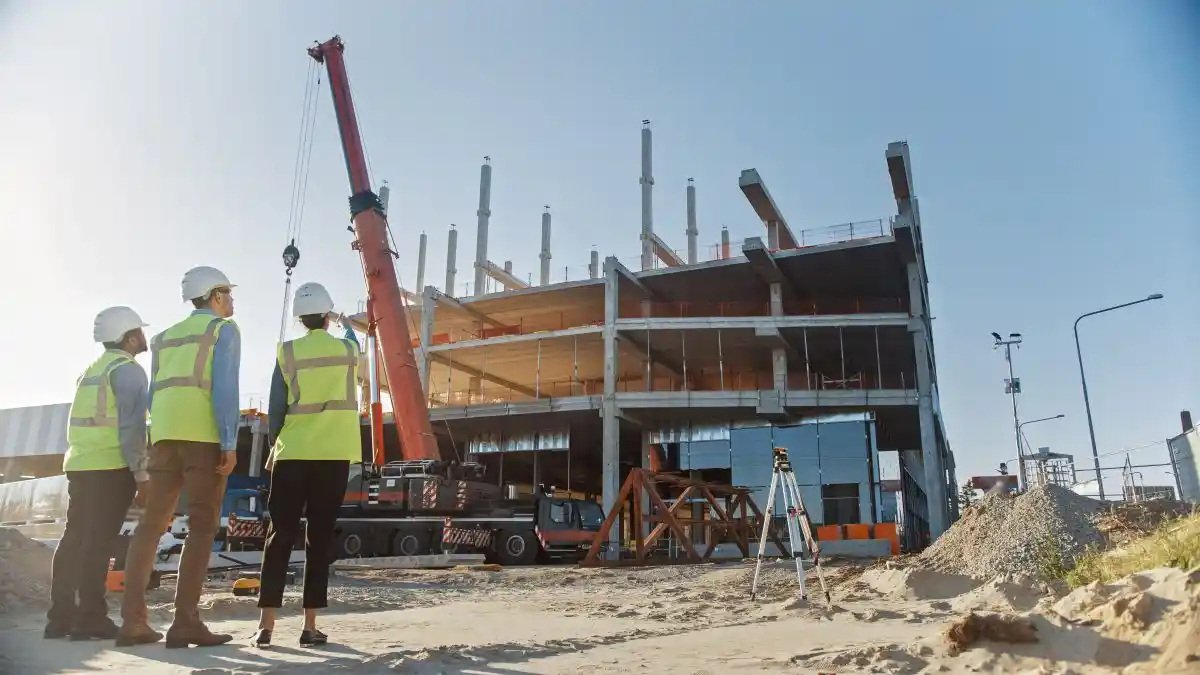
Texas crane rental projects often require high-capacity lifting equipment capable of supporting energy production, refinery maintenance, industrial construction, and oversized infrastructure development. Selecting the proper crane capacity helps improve jobsite efficiency, lift safety, and project scheduling.
| Industry | Primary Crane Rental Applications |
|---|---|
| Oil and Gas Operations | Drilling support, refinery maintenance, equipment installation |
| Petrochemical Facilities | Industrial shutdowns, vessel placement, heavy equipment lifting |
| Renewable Energy | Wind turbine installation, solar construction |
| Commercial Construction | Steel erection, rooftop HVAC placement |
| Infrastructure and Bridge Construction | Bridge girder placement, roadway projects |
| Industrial Manufacturing | Machinery moving, facility expansion |
| Warehousing and Logistics | Distribution center construction |
| Marine and Port Operations | Cargo handling, industrial loading |
| Telecommunications | Cell tower construction, utility access |
| Aerospace and Aviation | Aircraft facility construction, equipment lifting |
| Service Type | Typical Scheduling Time |
|---|---|
| Emergency Crane Rental | Same Day |
| Standard Mobile Crane Rental | 24–72 Hours |
| Boom Truck Crane Rental | 24–48 Hours |
| Rough Terrain Crane Rental | 2–5 Days |
| All Terrain Crane Rental | 3–7 Days |
| Heavy Lift Crane Rental | Several Days |
| Crawler Crane Rental | 1–2 Weeks |
| Tower Crane Projects | Several Weeks to Months |
| Operated Crane Rental | 24–72 Hours |
| Bare Crane Rental | 2–7 Days |
Texas crane rental scheduling timelines can vary depending on crane availability, refinery shutdown schedules, energy-sector demand, weather conditions, and project location. Large industrial projects and remote oilfield operations may require additional lead time for crane mobilization and lift coordination.
Start with what you’re lifting and where it needs to go. The weight matters, but so do the lift radius, required height, and available setup space. Wide Load Shipping can review those project details with you and help determine what crane capacity makes sense before equipment is mobilized.
Yes. Remote access is common for energy, infrastructure, and industrial projects across Texas. The bigger concern is making sure the crane can actually reach the site and has enough room to operate once it arrives. We help account for access roads, staging space, and mobilization distance early so those issues don’t surface on lift day.
Some do. Texas requires permits when a crane or supporting load exceeds applicable legal size or weight limits. TxDMV has permit categories specifically for mobile and unladen lift equipment, and the required permit depends on the crane’s actual dimensions and weight.
Absolutely. Larger cranes may arrive with counterweights, boom sections, mats, and other components on separate trucks. Those loads need to be coordinated so the equipment reaches the site in the right sequence and the crane can be assembled without holding up your crew.
Make sure there is a clear route into the site and enough room for the crane to set up safely. You’ll also want to account for ongoing plant traffic and any areas your crew cannot shut down. On refinery and manufacturing projects, getting those details settled before mobilization can make a major difference when the lift is tied to a short work window.
Yes. The crane needs a setup area capable of supporting the equipment under load. OSHA specifically requires adequate ground firmness, slope, compaction, and support for crane assembly and operation. Rain, disturbed soil, or an unfinished jobsite can mean additional preparation is needed before the crane arrives.
Crane weight and dimensions can eliminate otherwise convenient routes. Bridges are especially important for heavy movements. Texas does not generally allow overweight permits across posted bridges, which can force a crane onto a longer approved route even when the jobsite is nearby.
Give us the jobsite location, what needs to be lifted, approximate weight, lift height, expected radius, and the date you need the crane. If access is unusual or the lift is taking place inside an active facility, photos or a site plan can help us identify potential issues early and build a more realistic mobilization plan.