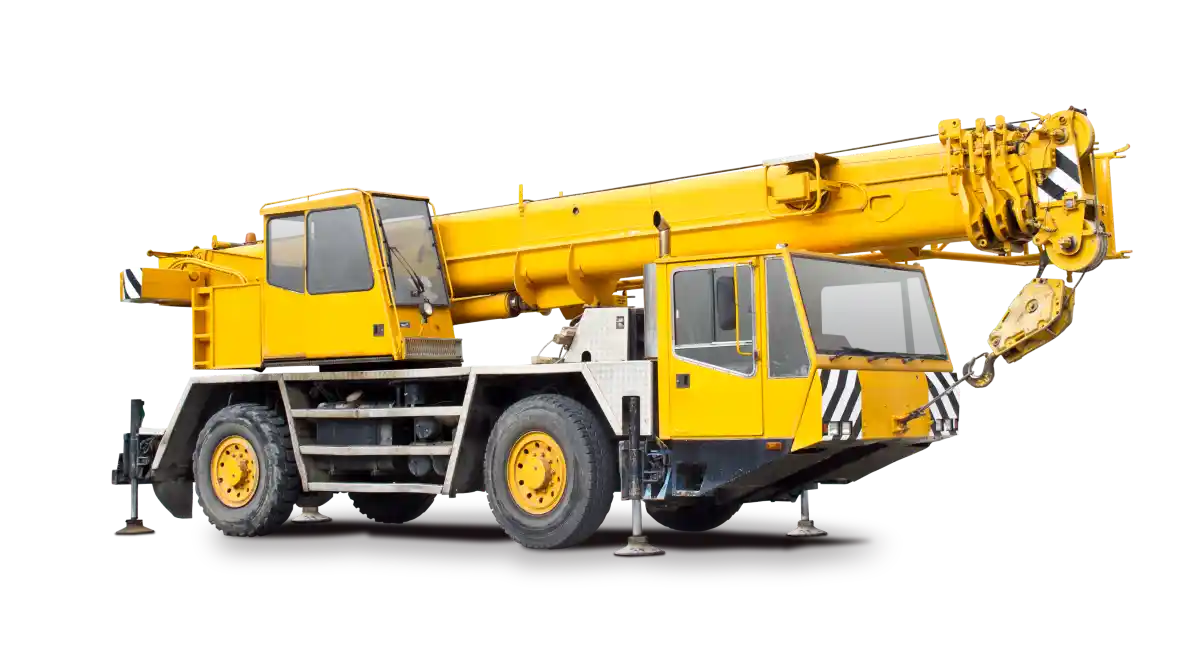
Colorado crane rental needs to account for more than the weight of the load. Terrain, elevation, access, mobilization distance, weather, and the available setup area can all affect how the lift needs to be planned.
Colorado projects can create very different lifting conditions depending on where the work is happening.
A commercial lift along the Front Range may have strong highway access but limited room around an active construction site. A manufacturing project in Northern Colorado can involve heavy production equipment moving into an operating facility. Farther west, energy, mining, utility, and mountain projects may require cranes and support equipment to travel long distances before setup begins.
Wide Load Shipping coordinates crane rental in Colorado around those differences.
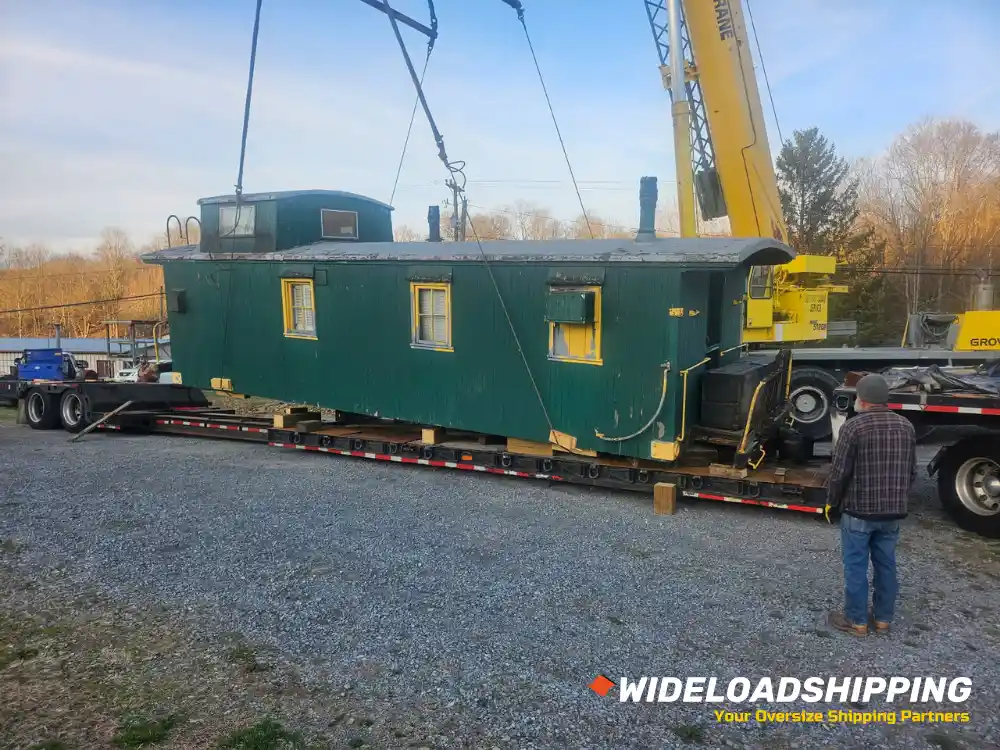
We look at the load, working radius, crane configuration, site access, rigging, terrain, equipment transportation, and the work window available to your crew. If the machinery being lifted is also moving by heavy-haul transport, the delivery can be planned around the same schedule as the crane.
That helps prevent an expensive crane from waiting on the load or oversized machinery arriving at a site that is not ready to receive it.
Call (877) 765-3574 to coordinate your Colorado crane rental.

Don't let logistics slow you down, we handle it all from permits to pickup. Speak to a live specialist today.
Colorado crane demand comes from a combination of dense Front Range development and equipment-intensive projects spread much farther across the state.
Aerospace and advanced manufacturing create precision machinery and facility lifts. Energy and mining projects often involve heavier mechanical systems. Utilities need transformers and electrical equipment placed. Agriculture and food production add processing machinery and storage systems throughout Northern and Eastern Colorado.
That variety makes site conditions just as important as the industry itself when selecting a crane.
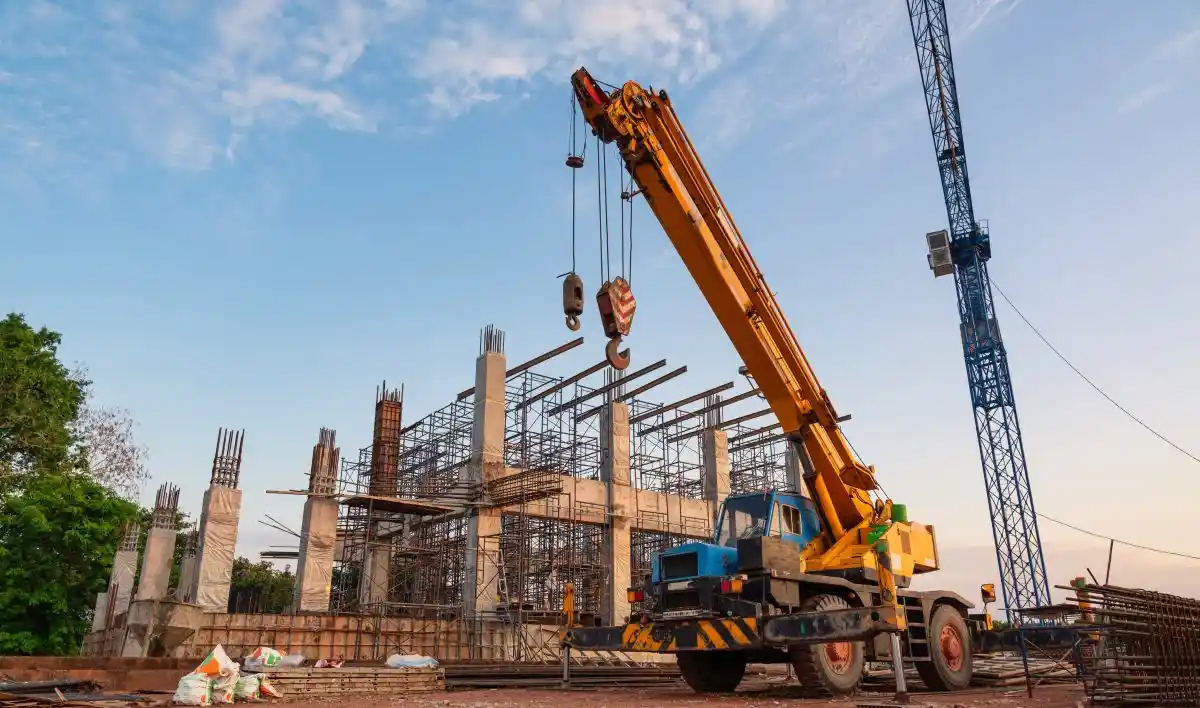
Colorado crane selection should start with the actual setup location.
An indoor industrial project may require compact equipment that can maneuver around existing machinery. Rough terrain cranes can support unfinished job sites. All terrain and crawler cranes may be needed where capacity, reach, ground conditions, or larger structural work call for more substantial equipment.
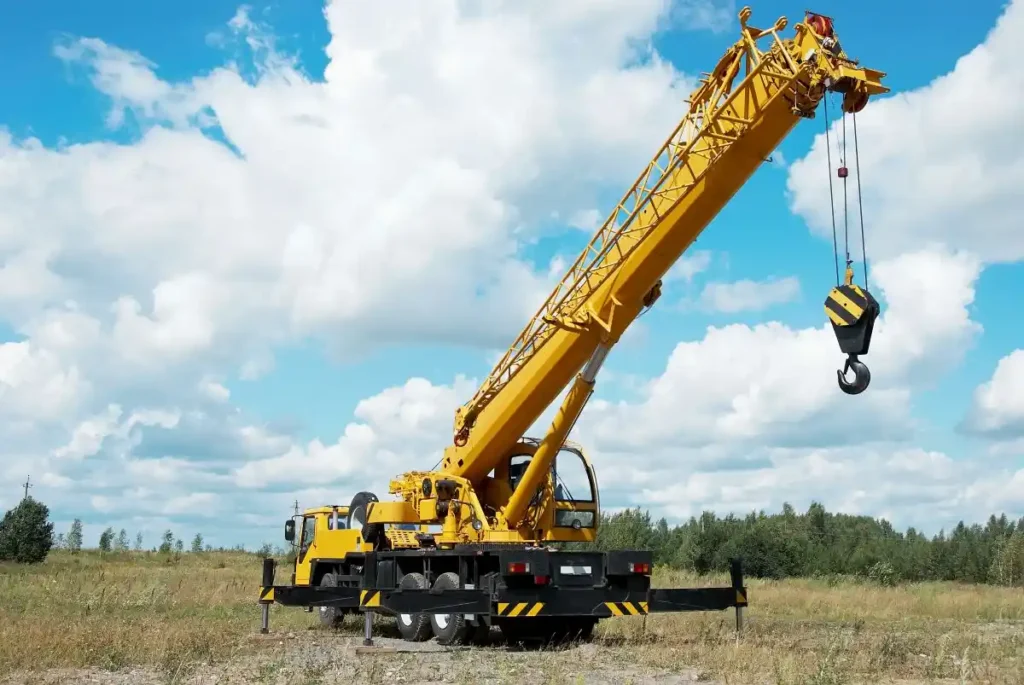
What Is Rigging?
Rigging determines how the equipment is supported between the crane hook and the load itself.
That becomes especially important when the equipment is long, unbalanced, sensitive, or difficult to replace.
An aerospace component may need its weight distributed across several lifting points. Mining machinery can have a concentrated center of gravity. A transformer may need to stay level throughout the pick. Industrial equipment can have areas that cannot tolerate sling pressure.
The rigging configuration should account for those conditions before lifting begins.
Colorado projects with long mobilization distances leave less room for improvisation once equipment reaches the site.
Planning the rigging, crane setup, trailer position, and final placement before dispatch can help avoid delays caused by missing hardware or a load arriving somewhere the crane cannot reach efficiently.
| Crane Type | Typical Rental Duration | Estimated Rental Price |
|---|---|---|
| Boom Truck Crane Rental | 1–7 Days | $900–$2,600 per day |
| Mobile Crane Rental | 1–14 Days | $1,200–$3,600 per day |
| Rough Terrain Crane Rental | 3–21 Days | $800–$2,800 per day |
| All Terrain Crane Rental | 1–30 Days | $2,500–$6,500 per day |
| Carry Deck Crane Rental | 1–14 Days | $500–$1,800 per day |
These figures are estimated planning ranges rather than fixed Colorado crane rental rates.
The final cost can change considerably depending on crane capacity, operator requirements, mobilization distance, rigging, counterweights, support trucks, permits, site conditions, and the time required to establish the crane safely.
Mountain and remote projects can carry higher mobilization costs because both the crane and its support equipment may have farther to travel.

| Crane Type | Typical Rental Duration | Estimated Monthly Rental Price |
|---|---|---|
| Mobile Crane Rental | 1–3 Months | $12,000–$28,000 per month |
| Rough Terrain Crane Rental | 1–4 Months | $8,000–$16,000 per month |
| All Terrain Crane Rental | 2–6 Months | $18,000–$42,000 per month |
| Crawler Crane Rental | 3–12 Months | $20,000–$70,000+ per month |
| Tower Crane Rental | 6–18 Months | $15,000–$35,000+ per month |
Long-term Colorado crane rental can make sense when repeated lifting is expected throughout a larger construction, industrial, energy, mining, or infrastructure project.
Keeping the crane committed to the site may reduce repeated mobilization, but the monthly equipment rate does not necessarily represent the full project cost.
Operator labor, transportation, assembly, inspections, maintenance, rigging, engineering, counterweights, and permits should all be reviewed when comparing long-term options.
| Colorado City | Primary Industries Driving Crane Rental Demand |
|---|---|
| Denver | Commercial construction, infrastructure, manufacturing, technology |
| Colorado Springs | Aerospace, defense-related facilities, construction, utilities |
| Aurora | Healthcare, logistics, commercial development, infrastructure |
| Fort Collins | Advanced manufacturing, technology, food production |
| Lakewood | Commercial construction, infrastructure, utilities |
| Thornton | Commercial development, infrastructure, construction |
| Arvada | Manufacturing, commercial development, public infrastructure |
| Pueblo | Steel, manufacturing, energy, industrial construction |
| Greeley | Agriculture, energy, food processing, manufacturing |
| Grand Junction | Energy, mining support, industrial work, infrastructure |
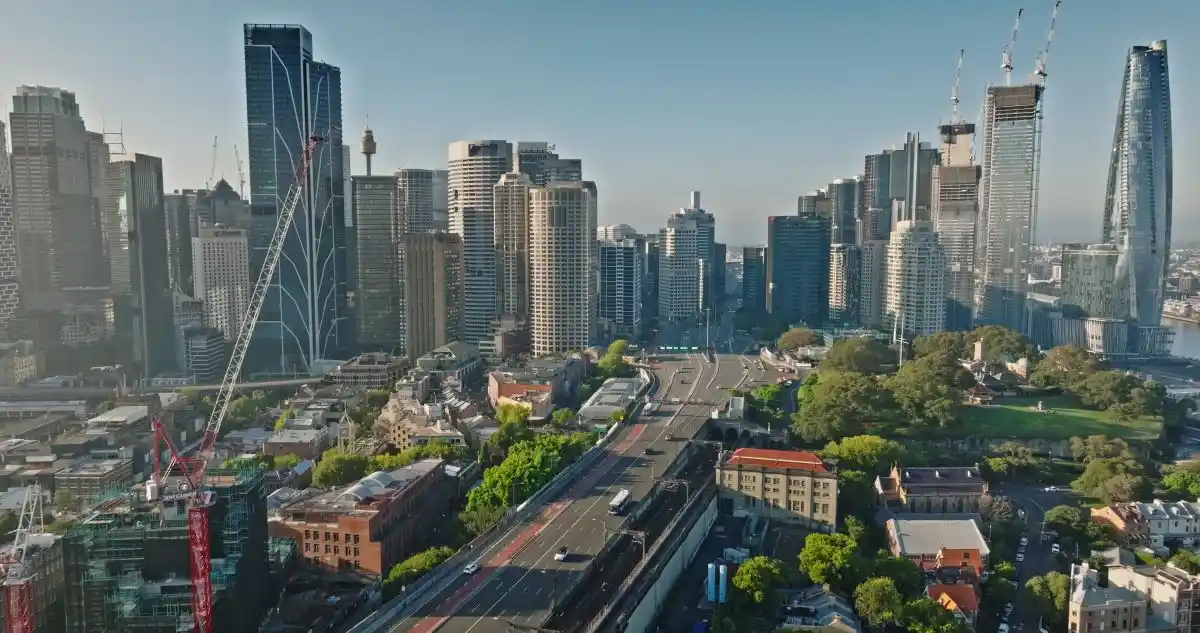
Colorado crane demand is strongest along the Front Range, but that does not tell the entire story.
Denver and surrounding cities have the broadest mix of commercial construction, infrastructure, manufacturing, technology, and institutional work. Colorado Springs has substantial aerospace and advanced-industry activity. Northern Colorado adds agriculture, food production, manufacturing, and energy.
Western Colorado projects tend to be more dispersed, making crane and support-equipment mobilization a larger part of the planning process.
| Lift Application | Common Crane Capacity |
|---|---|
| Aerospace Equipment Installation | 60–250 Ton Cranes |
| Advanced Manufacturing Machinery | 60–300 Ton Cranes |
| Mining Equipment Maintenance | 100–500+ Ton Cranes |
| Wind and Renewable Energy Work | 150–500+ Ton Cranes |
| Utility Transformer Placement | 80–250 Ton Cranes |
| Oil and Gas Equipment | 80–300 Ton Cranes |
| Structural Steel Installation | 80–300 Ton Cranes |
| Bridge and Infrastructure Work | 150–500+ Ton Cranes |
| Data Center Mechanical Equipment | 60–250 Ton Cranes |
| Commercial HVAC Placement | 40–120 Ton Cranes |
These ranges are useful for preliminary planning, but they are not final crane recommendations.
A relatively light load placed at long radius can require more crane capacity than a much heavier piece of machinery positioned directly beside the crane.
The actual lift radius, boom configuration, ground conditions, setup elevation, placement height, and manufacturer load chart should determine the crane used for the project.
| Industry | Primary Crane Rental Applications |
|---|---|
| Aerospace and Space | Facility equipment, structural systems, component handling |
| Advanced Manufacturing | Production machinery, plant equipment, facility expansion |
| Energy and Natural Resources | Processing equipment, maintenance, structural systems |
| Renewable Energy | Turbine components, electrical equipment, energy infrastructure |
| Mining | Processing systems, machinery maintenance, facility components |
| Utilities and Power | Transformers, substations, electrical equipment |
| Technology and Data Infrastructure | Generators, cooling systems, mechanical equipment |
| Transportation and Logistics | Facility equipment, warehouse systems, infrastructure |
| Food and Agriculture | Processing machinery, storage systems, facility equipment |
| Infrastructure | Bridges, transportation improvements, public works |
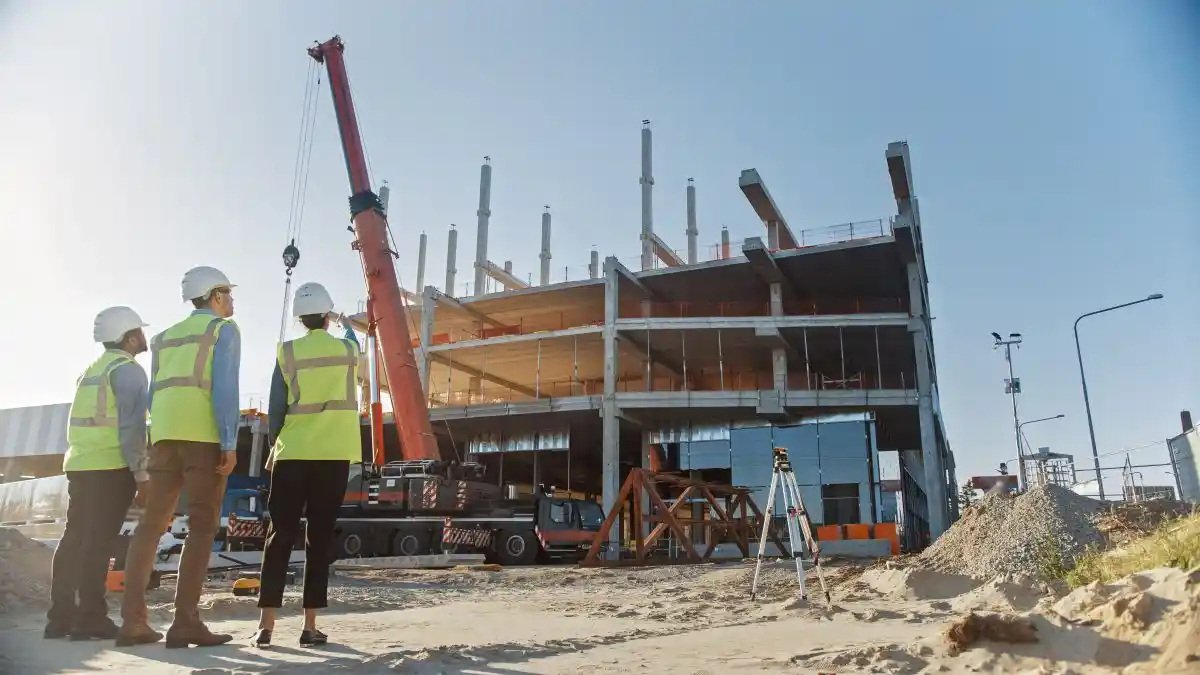
Colorado’s industrial base creates crane demand from sectors with very different equipment profiles.
Aerospace and advanced manufacturing can require controlled handling of specialized machinery. Energy, mining, and utility projects often involve heavier components and more remote locations. Food and agricultural operations need processing and material-handling systems placed throughout northern and eastern portions of the state.
Infrastructure and continued development along the Front Range add another steady source of structural and mechanical lifting work.
| Service Type | Typical Scheduling Time |
|---|---|
| Emergency Crane Rental | Same Day, When Available |
| Standard Mobile Crane Rental | 24–72 Hours |
| Boom Truck Crane Rental | 24–48 Hours |
| Rough Terrain Crane Rental | 2–5 Days |
| All Terrain Crane Rental | 3–7 Days |
| Heavy Lift Crane Rental | 3–10 Days |
| Crawler Crane Rental | 1–2 Weeks |
| Tower Crane Projects | Several Weeks to Months |
| Operated Crane Rental | 24–72 Hours |
| Bare Crane Rental | 2–7 Days |
Crane availability is only part of the scheduling question in Colorado.
Front Range projects may have relatively short mobilization distances but still require time for permits, site preparation, traffic control, or support equipment.
Mountain and Western Colorado projects can require additional planning because the crane, counterweights, boom components, rigging, and load may all be traveling to the site separately.
Large or remote lifts should be scheduled as early as practical so those movements can be coordinated around the requested work window.
Colorado crane rental pricing depends on crane type, capacity, rental duration, operator requirements, rigging, transportation, setup conditions, and the location of the project. Mountain and remote sites may require additional mobilization and support equipment.
Wide Load Shipping can coordinate mobile cranes, rough terrain cranes, all terrain cranes, boom trucks, carry deck cranes, crawler cranes, hydraulic cranes, tower cranes, and other lifting equipment based on the project requirements.
Yes. Operated crane rental can be coordinated when the project requires both the equipment and qualified operating support. Availability depends on crane class, location, and schedule.
Yes. Aerospace facilities can require crane support for machinery placement, structural components, mechanical systems, facility expansion, and other specialized equipment.
Yes. Mountain projects can be supported, but road access, grades, setup space, terrain, weather, travel distance, and support-load requirements should be reviewed before dispatch.
Yes. Processing machinery, utility equipment, structural components, maintenance work, and other large industrial loads can require crane support.
Yes. Heavy machinery, transformers, mining equipment, structural components, and other oversized loads can be coordinated with the crane schedule.
Provide the load weight and dimensions, project location, setup area, final placement point, expected working radius, access conditions, requested lift date, and any known rigging requirements. For mountain or remote projects, route and site-access information is especially useful.
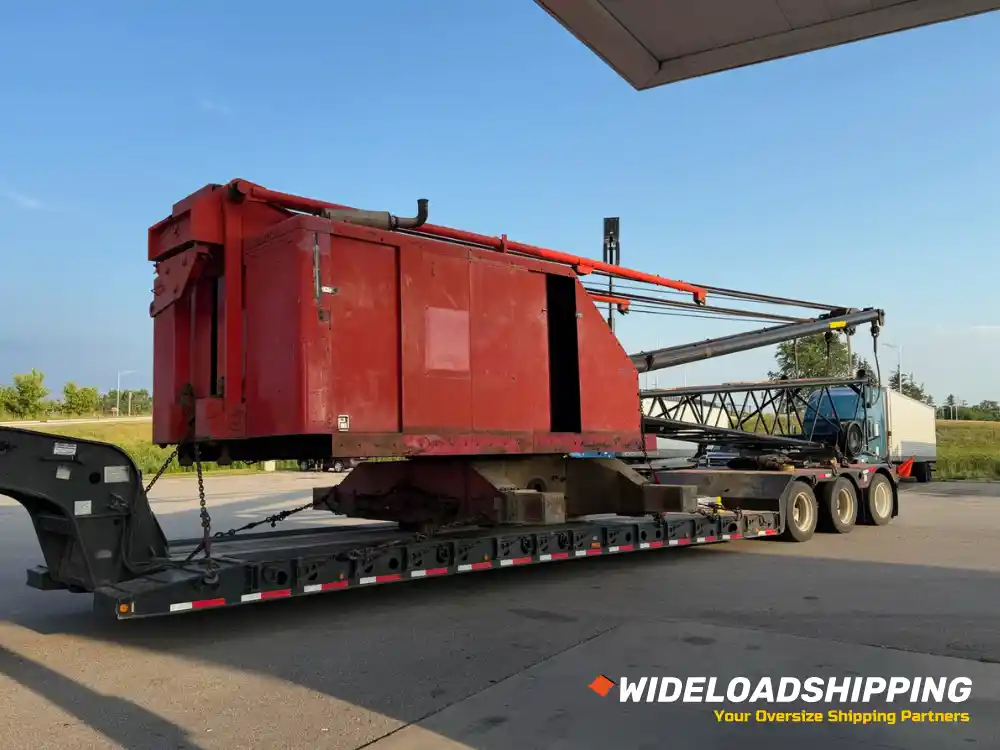
Colorado heavy lifts can involve a lot of miles before anything leaves the ground.
The machinery may be traveling from another state. Counterweights and crane components can arrive on separate trucks. A mountain or industrial site may have one practical route in and a limited amount of room once everything gets there.
Wide Load Shipping can coordinate those transportation requirements with the crane and rigging schedule instead of leaving your project team to connect them afterward.
That heavy-haul experience is particularly valuable when the load, crane support equipment, and installation crew all need to meet at the site during the same work window.
Whether the project is along the Front Range or several hours from a major metro area, the goal is to give your crew a clearer plan from equipment movement through final placement.
Call (877) 765-3574 to coordinate your Colorado crane rental.