Utah crane rental can mean setting machinery inside a busy Wasatch Front facility one day and mobilizing heavy equipment to a remote mining or utility site the next. Wide Load Shipping plans around the actual lift location, access, and schedule.
Utah projects can put very different demands on the same crane class.
Along the Wasatch Front, industrial and commercial sites may have limited setup room because buildings, traffic, and active operations already occupy much of the property. Farther from the major population centers, mining, energy, utility, and infrastructure jobs can create the opposite problem: plenty of open ground, but long mobilization distances and difficult access.
That is where planning matters.
For crane rental in Utah, Wide Load Shipping helps coordinate the equipment around the job rather than forcing the job around the crane. We look at where the crane can physically stand, the radius required to make the pick, how the load reaches the site, what rigging is necessary, and how much support equipment needs to arrive with the crane.
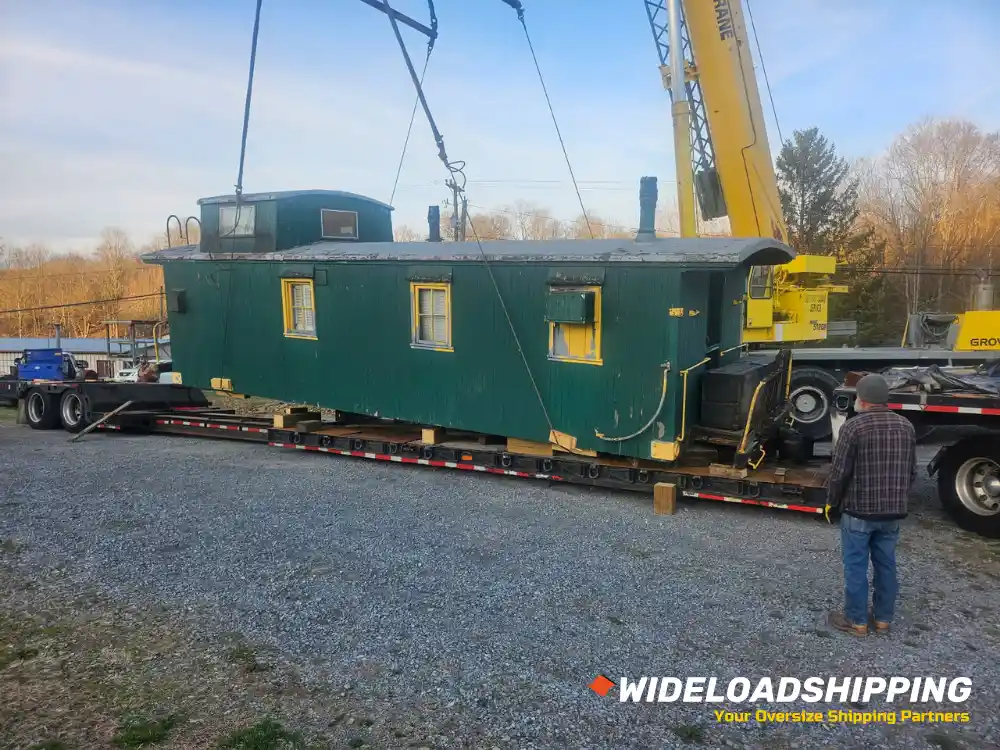
If the machinery or structure being lifted also needs heavy-haul transport, the delivery can be tied directly to the lift schedule.
Call (877) 765-3574 to coordinate your Utah crane rental.

Don't let logistics slow you down, we handle it all from permits to pickup. Speak to a live specialist today.
Utah crane rental demand often divides into two very different project environments.
Northern Utah has denser manufacturing, construction, logistics, aerospace, and facility work. Mining and mineral-processing projects can require larger cranes and more rugged site access. Utility and infrastructure jobs stretch across the state and often involve transformers, structural components, water systems, and heavy mechanical equipment.
That range makes crane selection and mobilization highly project-specific.
Utah terrain can make crane choice just as important as crane capacity.
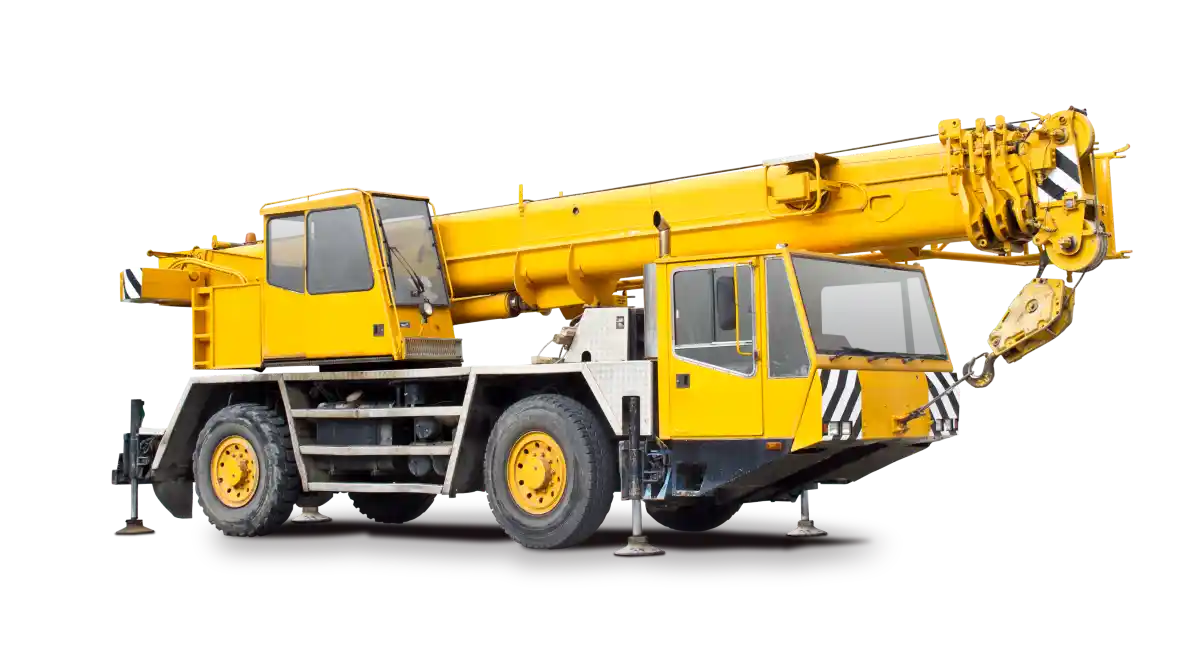
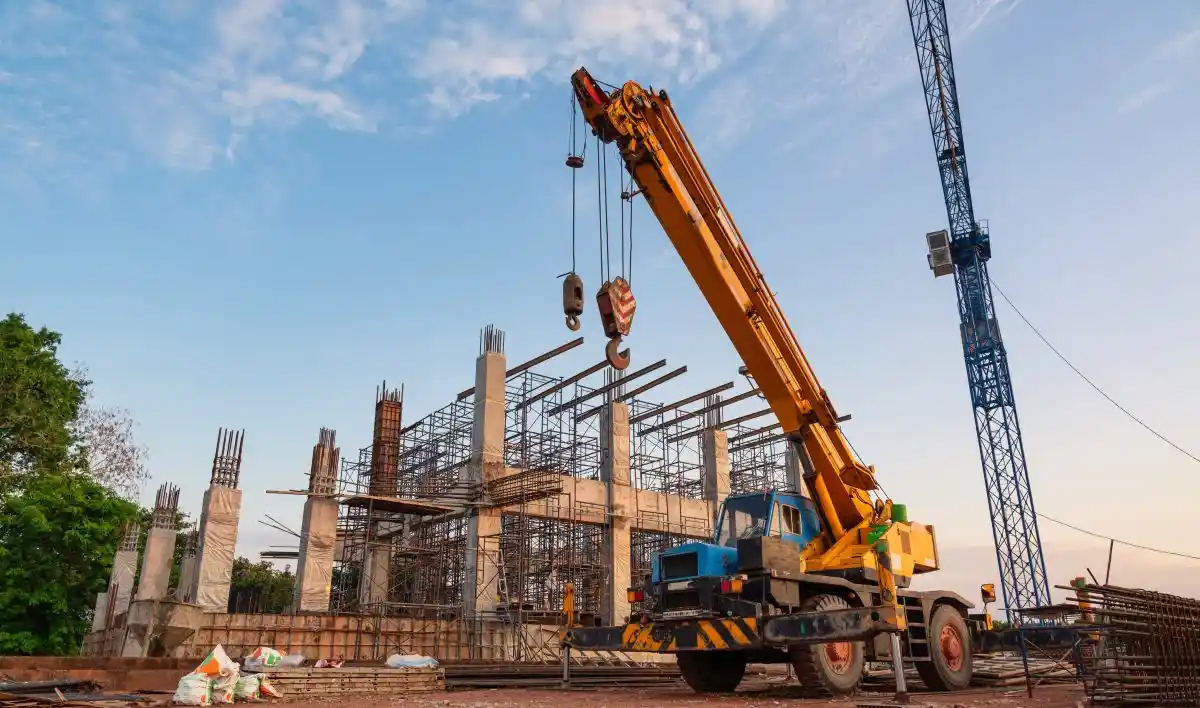
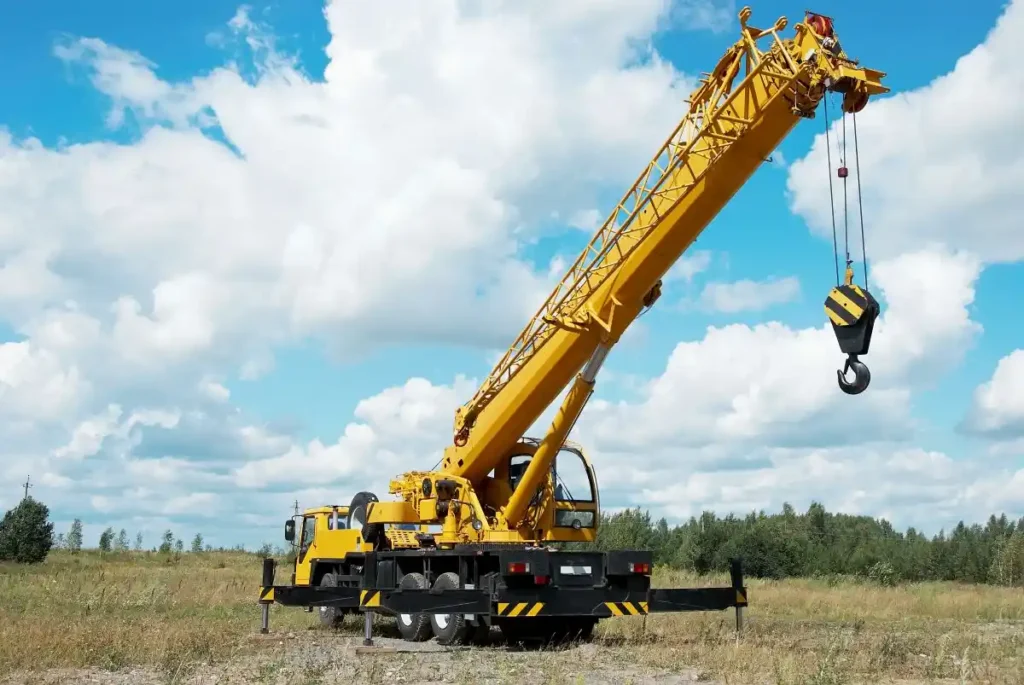
A carry deck crane may be ideal for moving equipment inside a facility, while a rough terrain crane can be better suited for mining or construction sites with unfinished ground. All terrain cranes can help when a project combines highway mobilization with challenging job-site access.
Heavy lifts involving large processing equipment, structural assemblies, or major infrastructure may require crawler or high-capacity crane configurations.
What Is Rigging?
Rigging is what keeps a heavy load predictable once it leaves its support.
Mining equipment is rarely shaped like a simple block. A crusher assembly may carry most of its weight toward one side. A long conveyor section can flex if it is not supported correctly. A piece of production machinery may have factory lifting points that dictate exactly where the slings must connect.
The rigging plan has to account for those details before the crane takes the load.
Utah projects can make the cost of a rigging mistake especially high.
At a remote mining or infrastructure site, discovering that the wrong lifting hardware was sent can stop the entire operation. Inside a manufacturing facility, an incorrect rigging arrangement can turn a short installation into hours of repositioning.
Planning the lift points, sling arrangement, trailer orientation, and placement direction ahead of time helps keep the crane productive once it is on site.
| Crane Type | Typical Rental Duration | Estimated Rental Price |
|---|---|---|
| Boom Truck Crane Rental | 1–7 Days | 800–2,500 per day |
| Mobile Crane Rental | 1–14 Days | 1,000–3,500 per day |
| Rough Terrain Crane Rental | 3–21 Days | 700–2,800 per day |
| All Terrain Crane Rental | 1–30 Days | 2,500–6,600 per day |
| Carry Deck Crane Rental | 1–14 Days | 500–1,800 per day |
These ranges are intended for early Utah crane rental budgeting.
A metro-area plant lift and a remote mining project can use similar crane equipment but end up with very different total costs. Mobilization distance, operator time, counterweights, rigging, support trucks, permits, site access, and required setup work can all change the final number.
The more remote or complex the crane configuration, the more important it becomes to budget beyond the base equipment rate.

| Crane Type | Typical Rental Duration | Estimated Monthly Rental Price |
|---|---|---|
| Mobile Crane Rental | 1–3 Months | 9,000–21,000 per month |
| Rough Terrain Crane Rental | 1–4 Months | 7,500–16,000 per month |
| All Terrain Crane Rental | 2–6 Months | 19,000–42,000 per month |
| Crawler Crane Rental | 3–12 Months | 22,000–72,000+ per month |
| Tower Crane Rental | 6–18 Months | 15,000–37,000+ per month |
Long-term crane rental can be useful when the same Utah project will generate repeated picks throughout construction, expansion, or maintenance.
Mining facilities, manufacturing expansions, utility projects, and major construction can all benefit from avoiding repeated mobilization.
Monthly pricing should be evaluated together with operators, transportation, assembly, counterweights, inspections, maintenance, engineering, permitting, and rigging requirements.
| Utah City | Primary Industries Driving Crane Rental Demand |
|---|---|
| Salt Lake City | Manufacturing, construction, logistics, infrastructure |
| West Valley City | Manufacturing, warehousing, industrial development |
| Provo | Construction, technology facilities, manufacturing |
| Ogden | Aerospace, manufacturing, logistics |
| West Jordan | Construction, manufacturing, commercial development |
| Lehi | Technology facilities, commercial construction, data infrastructure |
| Orem | Construction, manufacturing, institutional projects |
| Layton | Aerospace-related facilities, construction, logistics |
| St. George | Construction, utilities, infrastructure |
| Tooele | Mining, manufacturing, industrial projects |
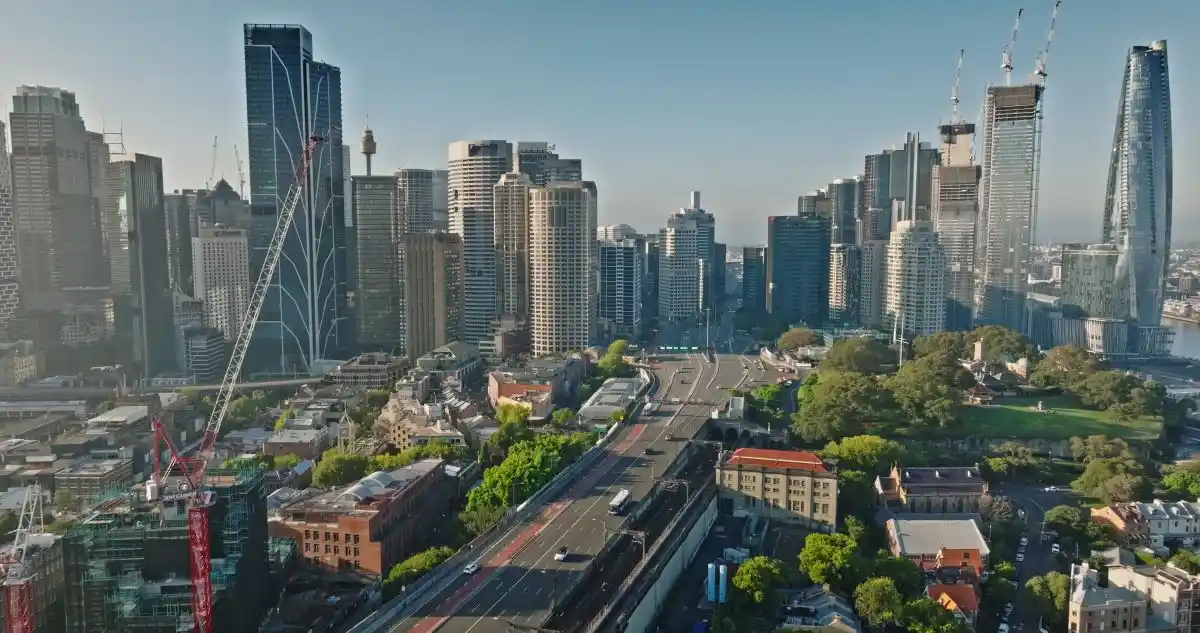
Utah crane demand is strongest along the Wasatch Front, but some of the state’s heaviest lifts happen outside that corridor.
Salt Lake City, Ogden, Provo, and surrounding cities create steady manufacturing, construction, logistics, aerospace, and commercial work. Tooele and other industrial areas add mining and heavy-processing requirements.
Southern Utah brings more construction, utilities, and infrastructure, often with longer crane mobilization distances from the state’s major equipment markets.
| Lift Application | Common Crane Capacity |
|---|---|
| Mining Processing Equipment | 100–500+ Ton Cranes |
| Crushers and Conveyors | 80–400 Ton Cranes |
| Manufacturing Machinery | 60–300 Ton Cranes |
| Aerospace Facility Equipment | 60–250 Ton Cranes |
| Utility Transformers | 80–250 Ton Cranes |
| Structural Steel | 80–300 Ton Cranes |
| Data Infrastructure Equipment | 60–250 Ton Cranes |
| Bridge and Infrastructure Work | 150–500+ Ton Cranes |
| Water Treatment Equipment | 60–250 Ton Cranes |
| Commercial HVAC | 40–120 Ton Cranes |
These ranges are useful for identifying the general scale of a lift.
Mining and infrastructure projects can quickly require more crane than a basic weight estimate suggests because elevation changes, existing equipment, long reaches, and restricted setup areas can all reduce usable capacity.
| Industry | Primary Crane Rental Applications |
|---|---|
| Mining | Crushers, conveyors, processing equipment, maintenance |
| Advanced Manufacturing | Machinery installation, plant expansion |
| Aerospace | Production equipment, structural systems |
| Utilities | Transformers, substations, electrical equipment |
| Data Infrastructure | Generators, cooling systems, electrical equipment |
| Commercial Construction | Structural steel, rooftop systems |
| Logistics | Warehouse equipment, mechanical systems |
| Water Infrastructure | Pumps, tanks, treatment equipment |
| Renewable Energy | Transformers, electrical systems, structural components |
| Transportation Infrastructure | Bridges, structural work, public projects |
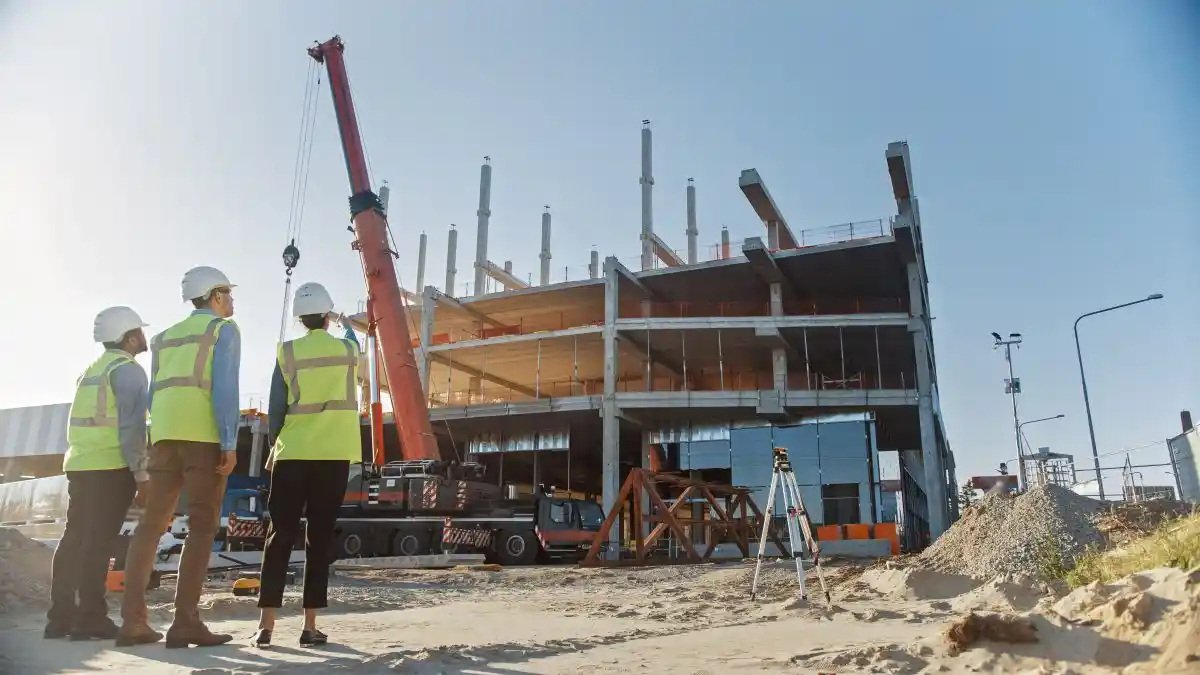
Utah crane rental demand is spread across both heavy industrial work and fast-growing facility construction.
Mining continues to create some of the largest individual equipment lifts. Manufacturing and aerospace require precise machinery placement. Utilities, data infrastructure, and water projects bring transformers, mechanical systems, and large electrical equipment into the mix.
Construction and transportation infrastructure add another layer of structural and high-capacity crane work.
| Service Type | Typical Scheduling Time |
|---|---|
| Emergency Crane Rental | Same Day, When Available |
| Standard Mobile Crane Rental | 24–72 Hours |
| Boom Truck Crane Rental | 24–48 Hours |
| Rough Terrain Crane Rental | 2–5 Days |
| All Terrain Crane Rental | 3–7 Days |
| Heavy Lift Crane Rental | 3–10 Days |
| Crawler Crane Rental | 1–2 Weeks |
| Tower Crane Projects | Several Weeks to Months |
| Operated Crane Rental | 24–72 Hours |
| Bare Crane Rental | 2–7 Days |
Utah response time depends heavily on where the crane needs to go after it is secured for the project.
A standard mobile crane along the Wasatch Front may require relatively straightforward mobilization. A larger crane heading to a mine, remote utility site, or southern Utah infrastructure project can require additional travel and multiple support loads.
High-capacity lifts should be planned early enough to account for the crane, boom components, counterweights, rigging, and site preparation before the crew is ready to begin.
Utah crane rental pricing depends on crane size, working radius, rental duration, operator requirements, rigging, transportation, mobilization, and site conditions. Remote mining and infrastructure projects can add significant travel and support-equipment costs.
Yes. Crushers, conveyors, processing equipment, structural components, maintenance machinery, and facility expansions can require crane support.
Yes. Remote crane mobilization can be coordinated for mining, utilities, energy, infrastructure, and industrial projects. Lead time depends on crane capacity, travel distance, and the amount of support equipment required.
Yes. Production machinery, structural equipment, facility expansions, maintenance work, and equipment replacement can all require cranes and rigging.
Yes. Mining machinery, production equipment, transformers, structural components, and other oversized loads can be transported around the planned crane schedule.
Yes. Transformers, substations, generators, electrical systems, and other utility equipment can require crane support for installation and replacement.
When the site and lift plan allow it, yes. Direct placement can reduce unnecessary handling and keep large equipment from sitting at the site waiting for a second move.
Provide the load dimensions and weight, exact project location, crane setup area, required working radius, final placement point, lift date, access conditions, and known rigging requirements. Remote sites should also include detailed road and staging information.
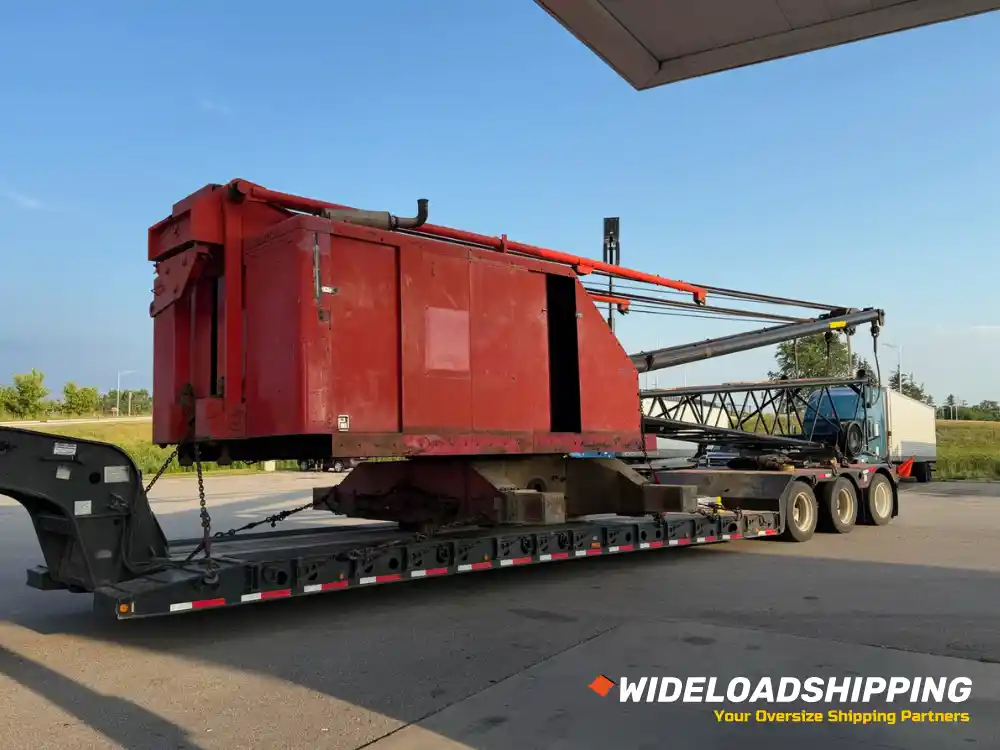
Utah projects can change dramatically once you leave the main highway.
A crane that is easy to mobilize through Salt Lake City may need a completely different transportation plan for a mine, utility project, or industrial site farther from the Wasatch Front.
The equipment being lifted can have the same challenge.
Wide Load Shipping can coordinate the heavy-haul movement of that machinery with the crane, rigging, and support equipment needed once it reaches the project.
That gives Utah contractors, plant teams, mining operations, equipment owners, and project managers one point of coordination from pickup through final placement.
Call (877) 765-3574 to coordinate your Utah crane rental.