New Hampshire crane rental works best when the lift plan fits the facility, the access, and the equipment being moved instead of forcing the job around the crane.
A heavy lift in New Hampshire is often less about extreme tonnage and more about precision.
A manufacturer in Nashua may need a production machine moved into an active facility. A life sciences company near Lebanon may be installing sensitive mechanical equipment. A commercial project in Manchester may need rooftop systems placed in a short work window with limited room for staging.
Wide Load Shipping coordinates crane rental in New Hampshire around those conditions. We help contractors, facility managers, manufacturing teams, and equipment owners plan the crane around the actual site, the load path, the rigging requirements, and the point when the equipment will be ready to move.
That matters in a state where much of the heavy-lift demand comes from advanced manufacturing, aerospace, electronics, medical devices, utilities, commercial construction, and infrastructure rather than one dominant heavy industry.
If the machine is still on the road, the building is not ready, or the setup area has not been cleared, having the crane arrive early does not help anyone.
Call (877) 765-3574 to coordinate your New Hampshire crane rental.

Don't let logistics slow you down, we handle it all from permits to pickup. Speak to a live specialist today.
New Hampshire’s crane demand is shaped by the equipment inside its facilities as much as by the buildings themselves.
Electronics manufacturers may be bringing in production systems that need careful placement. Aerospace and defense suppliers may be installing specialized machinery or structural components. Medical-device and life-sciences companies can require mechanical equipment to be placed around existing operations where access is already constrained.
That puts a premium on planning the lift path before the crane gets to the site.
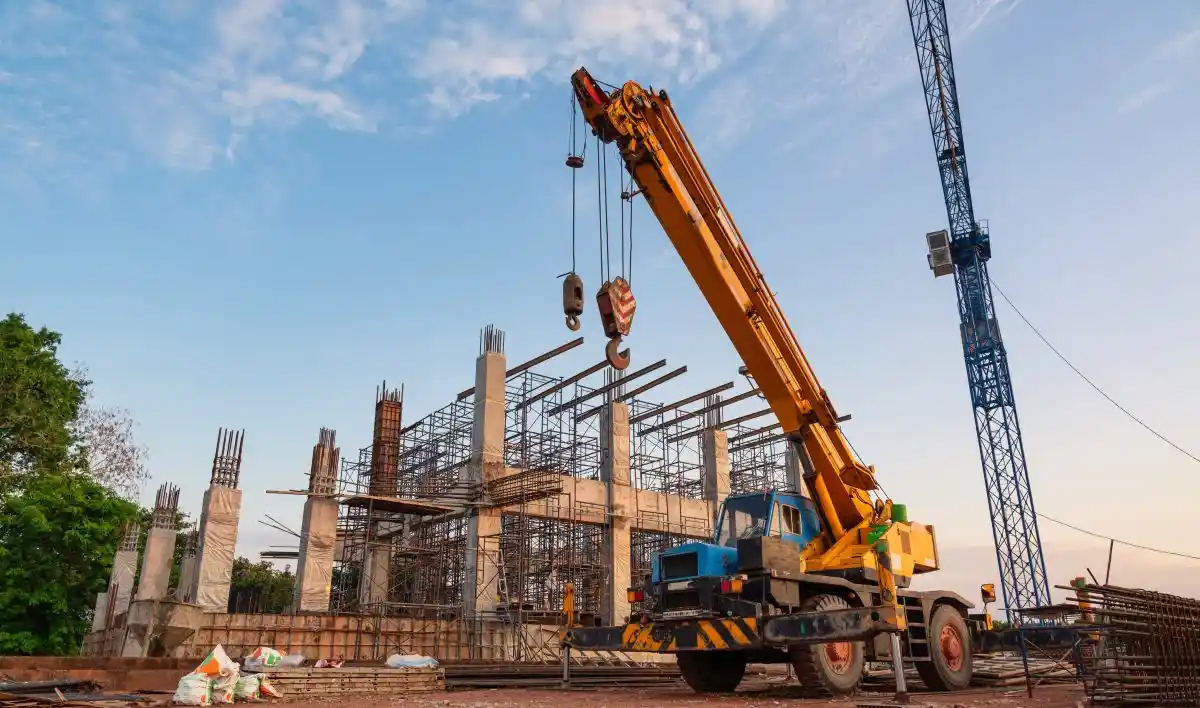
The right crane for a New Hampshire project depends on how the load must move through the site.
An open construction project may have room for a larger mobile or all-terrain crane. A manufacturing plant may need compact equipment that can work closer to an existing building. Long-term infrastructure or structural work may call for crawler or tower equipment.
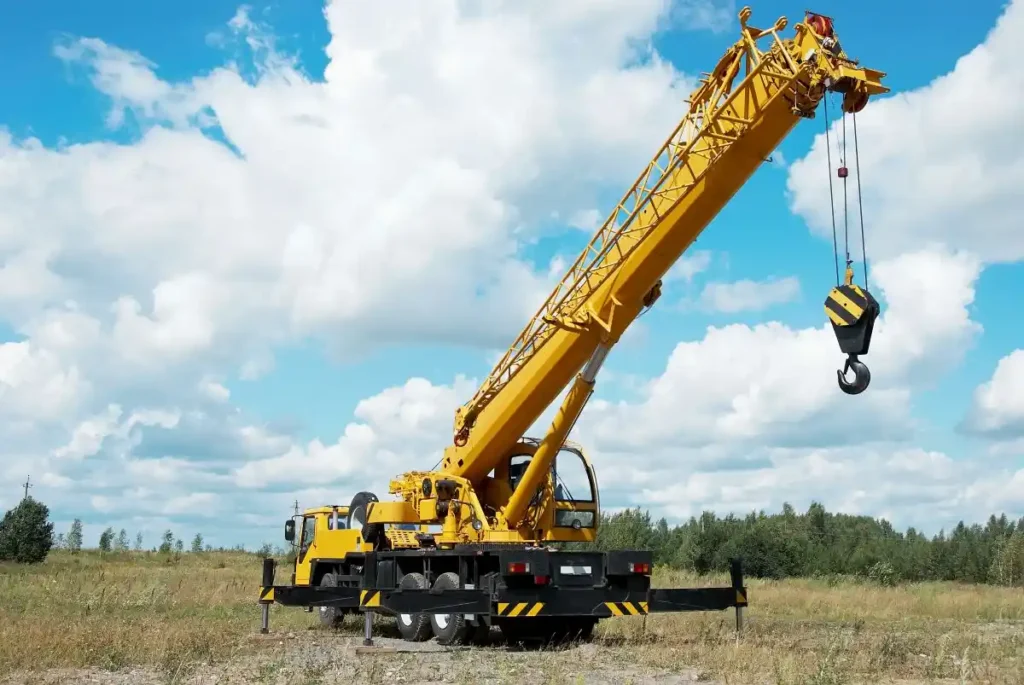
What Is Rigging?
Rigging is the part of the lift that determines whether the load can be controlled safely once it leaves its support.
On a New Hampshire manufacturing project, that might mean keeping a machine perfectly level while it moves through a doorway or over existing equipment. On a utility job, it could mean supporting a transformer without putting force on components that were never designed to carry the load.
The equipment itself dictates the rigging.
A compact machine with engineered lifting eyes may need a straightforward sling arrangement. A long fabricated section may require a spreader beam to keep the pick points properly loaded. A piece of older machinery being removed from a plant may require a completely different approach because the original lifting points are no longer usable.
The goal is to know how the load will react before it is hanging from the hook.
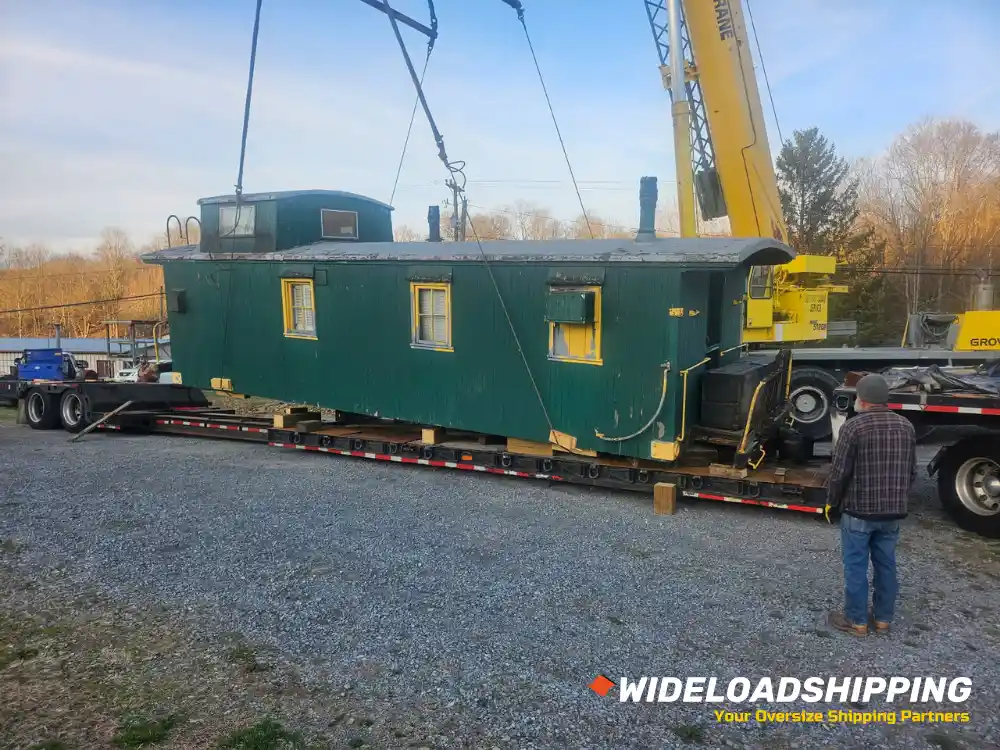
For New Hampshire industrial projects, the handoff between the transport trailer and the crane can be just as important as the lift itself.
A machine may arrive from another New England state or from much farther away. If the trailer positioning, crane setup, and rigging have already been planned, the equipment can move directly into the next stage of the job instead of sitting in a temporary staging area while crews work out how to handle it.
| Crane Type | Typical Rental Duration | Estimated Rental Price |
|---|---|---|
| Boom Truck Crane Rental | 1–7 Days | $850–$2,600 per day |
| Mobile Crane Rental | 1–14 Days | $1,100–$3,700 per day |
| Rough Terrain Crane Rental | 3–21 Days | $750–$2,900 per day |
| All Terrain Crane Rental | 1–30 Days | $2,700–$6,800 per day |
| Carry Deck Crane Rental | 1–14 Days | $500–$1,800 per day |
Use these figures as planning ranges, not fixed New Hampshire rates.
A simple boom-truck pick at an open commercial site and a manufacturing lift inside an occupied facility can require completely different amounts of labor and preparation even when the equipment size is similar.
The final quote should make clear whether mobilization, the operator, rigging support, permits, travel, counterweights, and minimum on-site time are included. Comparing two prices without comparing the scope behind them can make the cheaper quote look more attractive than it actually is.

| Crane Type | Typical Rental Duration | Estimated Monthly Rental Price |
|---|---|---|
| Mobile Crane Rental | 1–3 Months | $9,000–$21,000 per month |
| Rough Terrain Crane Rental | 1–4 Months | $7,500–$16,000 per month |
| All Terrain Crane Rental | 2–6 Months | $19,000–$42,000 per month |
| Crawler Crane Rental | 3–12 Months | $22,000–$70,000+ per month |
| Tower Crane Rental | 6–18 Months | $15,000–$36,000+ per month |
Long-term rental becomes useful when the crane will support repeated lifts during a construction or facility-expansion schedule.
A contractor may need the same crane for structural work, mechanical equipment, and later installation phases. Keeping the equipment committed to the project can reduce repeated mobilization, especially when the required crane is coming from elsewhere in New England.
Before approving a monthly rental, confirm who is responsible for operators, maintenance, inspections, assembly, transportation, and support equipment.

| New Hampshire City | Primary Industries Driving Crane Rental Demand |
|---|---|
| Manchester | Advanced manufacturing, life sciences, healthcare, construction |
| Nashua | Electronics, defense, manufacturing, commercial development |
| Concord | Infrastructure, healthcare, utilities, commercial construction |
| Portsmouth | Marine work, biotechnology, construction, industrial facilities |
| Dover | Manufacturing, healthcare, commercial construction |
| Rochester | Manufacturing, industrial development, logistics |
| Keene | Manufacturing, healthcare, institutional construction |
| Lebanon | Healthcare, life sciences, research facilities |
| Londonderry | Manufacturing, logistics, commercial development |
| Merrimack | Defense, electronics, manufacturing, technology |
Southern New Hampshire is where many of the state’s manufacturing, electronics, defense, and commercial projects are concentrated.
Manchester and Nashua provide broad industrial and construction demand. Merrimack and nearby communities have a stronger electronics and defense profile. Lebanon has its own lift requirements tied to healthcare and research facilities, while Portsmouth and the Seacoast add marine, industrial, and biotechnology-related work.
Projects farther north may be less frequent, but they can require more planning because the nearest suitable crane may be coming from a greater distance.
| Lift Application | Common Crane Capacity |
|---|---|
| Electronics Manufacturing Equipment | 40–200 Ton Cranes |
| Aerospace and Defense Equipment | 60–300 Ton Cranes |
| Medical Device Production Equipment | 40–200 Ton Cranes |
| Advanced Manufacturing Machinery | 60–300 Ton Cranes |
| Structural Steel Installation | 80–300 Ton Cranes |
| Commercial HVAC Placement | 40–120 Ton Cranes |
| Utility Transformer Placement | 80–250 Ton Cranes |
| Bridge and Infrastructure Work | 150–500+ Ton Cranes |
| Healthcare Facility Equipment | 40–200 Ton Cranes |
| Industrial Mechanical Equipment | 60–300 Ton Cranes |
These ranges are useful for estimating the class of equipment a project may require, but they are not a substitute for lift details.
The same 40-ton machine could fall into two completely different crane classes depending on whether it is being unloaded beside the crane or reached over an existing structure.
For an accurate crane selection, the working radius matters just as much as the load weight.
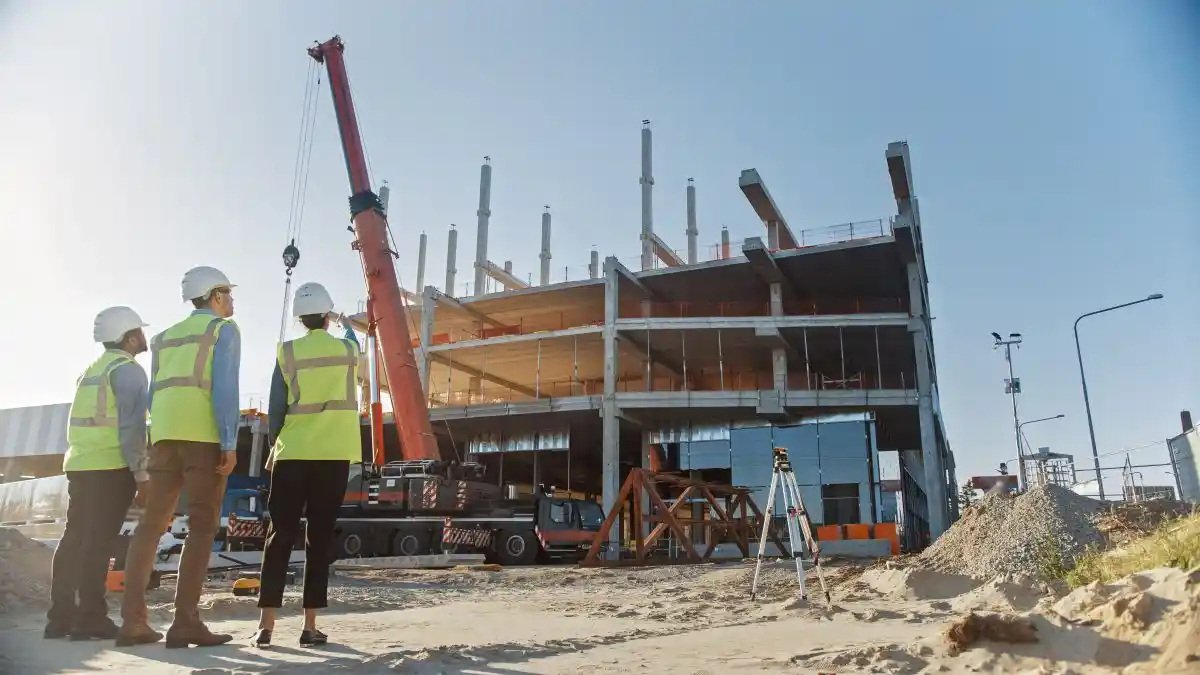
| Industry | Primary Crane Rental Applications |
|---|---|
| Advanced Manufacturing | Machinery installation, production systems, facility expansion |
| Aerospace and Defense | Production equipment, structural systems, facility upgrades |
| Electronics | Manufacturing equipment, mechanical systems, plant improvements |
| Life Sciences | Production machinery, laboratory equipment, facility expansion |
| Medical Devices | Manufacturing equipment, utilities, mechanical systems |
| Commercial Construction | Structural steel, HVAC equipment, building components |
| Utilities | Transformers, substations, electrical infrastructure |
| Healthcare | Mechanical equipment, expansions, rooftop systems |
| Technology | Facility construction, mechanical systems, equipment placement |
| Infrastructure | Bridges, transportation projects, public works |
New Hampshire growth creates a steady stream of equipment-installation work rather than relying solely on large greenfield industrial projects.
Existing manufacturers expand production lines. Medical-device companies add equipment inside operating facilities. Commercial buildings replace rooftop systems. Utilities update electrical infrastructure. Those projects may be smaller individually than a major refinery expansion, but they still depend on cranes that can work accurately around existing buildings and operations.
| Service Type | Typical Scheduling Time |
|---|---|
| Emergency Crane Rental | Same Day, When Available |
| Standard Mobile Crane Rental | 24–72 Hours |
| Boom Truck Crane Rental | 24–48 Hours |
| Rough Terrain Crane Rental | 2–5 Days |
| All Terrain Crane Rental | 3–7 Days |
| Heavy Lift Crane Rental | 3–10 Days |
| Crawler Crane Rental | 1–2 Weeks |
| Tower Crane Projects | Several Weeks to Months |
| Operated Crane Rental | 24–72 Hours |
| Bare Crane Rental | 2–7 Days |
New Hampshire’s location inside the broader New England crane market can be an advantage, but it does not mean every machine is immediately available.
A common mobile crane in southern New Hampshire may be scheduled relatively quickly. A crawler or specialized high-capacity crane may need to be brought in from another state, especially for work farther north.
The practical lead time depends on the exact crane required, not simply whether a provider serves New Hampshire.
Yes. If the plant only releases the work area for a weekend, overnight shift, or scheduled maintenance period, the crane and machinery transport can be timed around that window.
Provide the equipment weight and dimensions, where the truck can park, where the crane can set up, the final placement point, and any drawings or photos showing doors, roofs, utilities, or other obstructions.
Depending on access and equipment, yes. Some projects use a crane for the initial placement and then machinery-moving equipment for the final indoor positioning. The best approach depends on the layout of the facility.
Yes. Mechanical systems, production equipment, rooftop units, utility equipment, and other large components can require crane and rigging support during facility construction or expansion.
Yes. The project should be scheduled early enough to account for travel and equipment availability. Specialized cranes may need to mobilize from southern New Hampshire or another New England location.
Yes. Bare crane rentals are available through parts of the regional New England market for qualified customers and appropriate crane classes.
Yes. Wide Load Shipping can coordinate machinery, transformers, mechanical equipment, fabricated components, counterweights, and other oversized loads around the crane schedule.
Have the equipment delivery, work area, crew, rigging plan, and crane setup location confirmed before the rental window starts. The more of those pieces that are settled beforehand, the less likely the crane is to sit while another part of the project catches up.
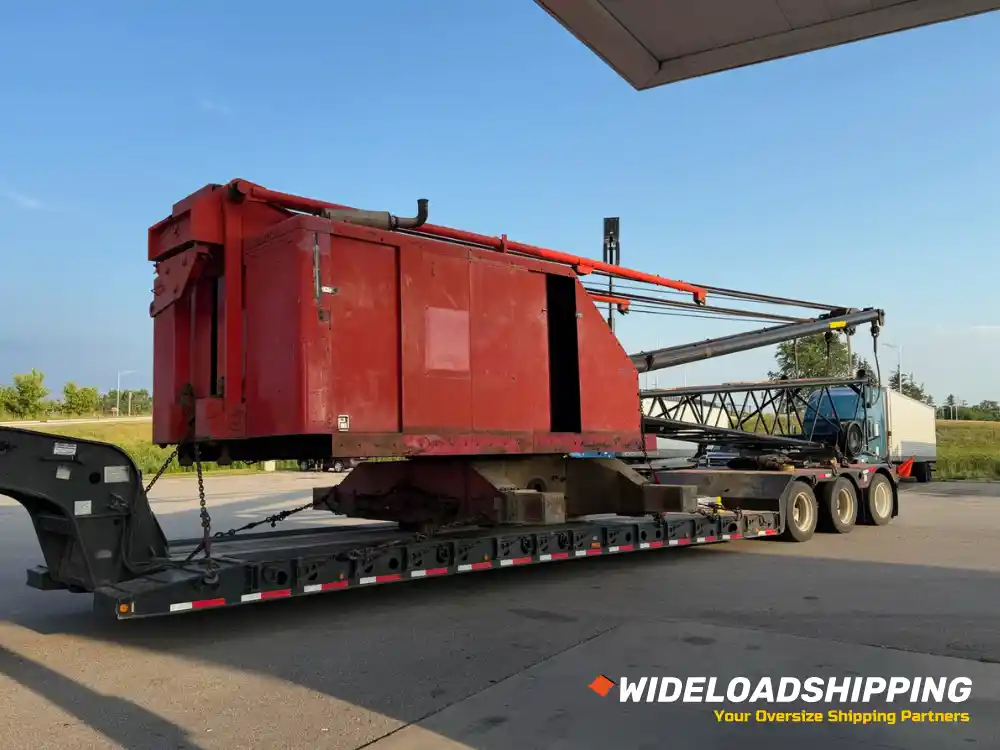
New Hampshire facility projects often involve equipment that is expensive to move and even more expensive to leave sitting in the wrong place.
A production machine may be arriving from another state while the plant has only a limited window to install it. A rooftop system may have to reach the site immediately before the crane closes off part of the property. A transformer may require specialized transport before the utility crew can begin its work.
Wide Load Shipping can coordinate those movements with the crane instead of leaving your team to connect the schedules after each vendor has already committed to a time.
The value is in the handoff. The truck arrives where the crane can reach it. The crane is ready when the work area is released. The rigging matches the equipment. Your crew can focus on the installation instead of tracking down the missing part of the lift.
Call (877) 765-3574 to coordinate your New Hampshire crane rental.